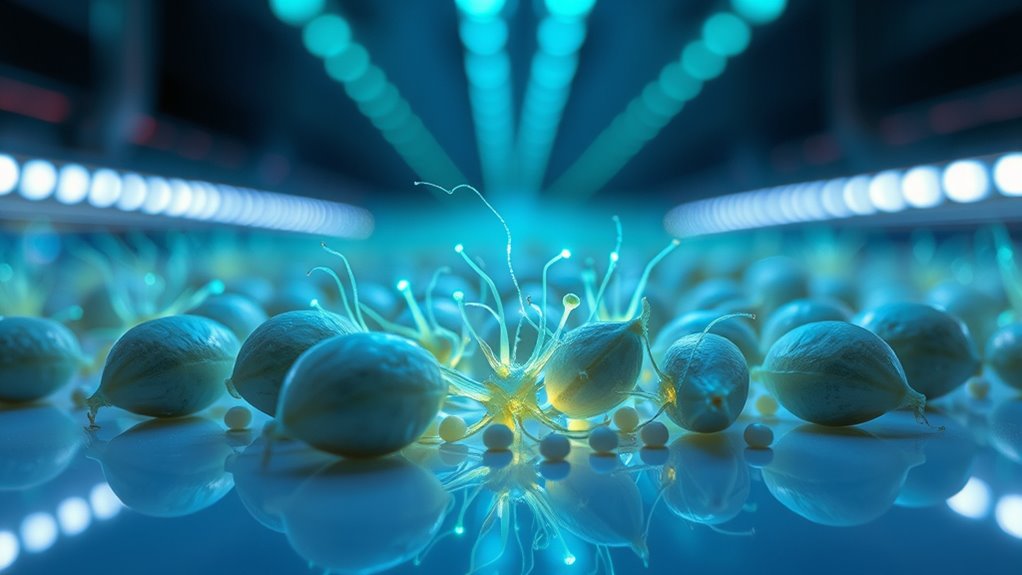
Bioengineered seeds are specially designed to thrive in controlled environments like vertical farms or indoor gardens. They utilize advanced genetic modification techniques to enhance traits such as drought tolerance, pest resistance, and faster growth. This customization helps you optimize yields, reduce chemical use, and guarantee consistent crop performance year-round. As you explore further, you’ll discover how these innovative seeds can transform modern agriculture and help you achieve reliable, high-quality harvests.

Get garden gear delivered free with Prime
- Fast, free delivery on millions of items
- Prime Video, Amazon Music and more included
- Member-only deals all year
Key Takeaways
- Bioengineered seeds are genetically modified to optimize growth and resilience in controlled environments like indoor farms and vertical farms.
- They enable precise trait customization, such as drought tolerance and pest resistance, tailored to specific growth conditions.
- These seeds help maximize yield, reduce chemical pesticide use, and ensure consistent performance despite environmental variability.
- Genetic modification techniques allow for faster growth cycles and year-round cultivation in controlled settings.
- Innovations include biofortification and enhanced sustainability, supporting advanced, efficient agricultural practices.
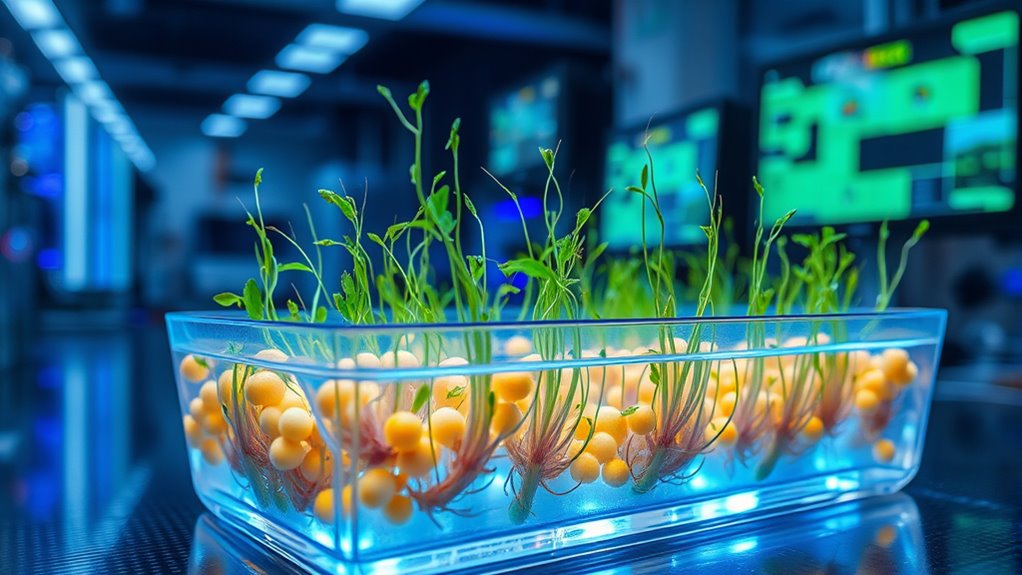
Bioengineered seeds are specially developed crops designed to improve yields, resist pests, and withstand harsh environmental conditions. When you focus on controlled-environment growth, these seeds become even more effective by leveraging advanced genetic modification techniques. Genetic modification allows scientists to insert, delete, or alter specific genes within the seed’s DNA, giving you precise control over traits like drought tolerance, disease resistance, and growth rate. This seed enhancement process is vital because it guarantees that the plants you grow in controlled environments—such as greenhouses or vertical farms—perform at their best under specific conditions, maximizing productivity and quality.
In a controlled setting, you can fine-tune the environment to match the genetic makeup of the bioengineered seeds. For example, if the seeds are enhanced for high nutrient uptake, maintaining ideal soil or hydroponic solutions becomes easier since you’re less affected by external variables. Genetic modification also helps reduce reliance on chemical pesticides, as the seeds can be designed to resist common pests naturally. This reduces chemical use, making your cultivation safer and more sustainable. Additionally, seed enhancement can include traits that enable plants to tolerate temperature fluctuations or high salinity, which are common in controlled environments where you might want to grow crops year-round without seasonal limitations.
By choosing bioengineered seeds tailored for controlled-environment growth, you gain a significant advantage in consistency and yield. These seeds are engineered to perform reliably under specific conditions, minimizing the risk of crop failure due to environmental stresses. You can also achieve faster growth cycles, which means more harvests per year. Because genetic modification allows for customization, you can select seeds specifically designed for your particular setup, whether it’s a small indoor farm or a large-scale vertical farm operation. This level of seed enhancement ensures that every plant has the best chance to thrive, giving you greater control over your crop outcomes.
Moreover, seed enhancement through genetic modification opens the door for innovations like biofortification, where nutrients are increased directly within the seed. This can improve the nutritional content of your crops, making them more beneficial for consumers. When you harness these advanced techniques, you’re not just growing plants—you’re refining the entire growth process to be more efficient, resilient, and sustainable. As technology continues to evolve, bioengineered seeds for controlled-environment growth will become even more sophisticated, empowering you to meet the demands of modern agriculture with precision and confidence.
bioengineered seeds for indoor farming
As an affiliate, we earn on qualifying purchases.
As an affiliate, we earn on qualifying purchases.
Frequently Asked Questions
Are Bioengineered Seeds Resistant to All Pests and Diseases?
No, bioengineered seeds aren’t resistant to all pests and diseases. They often have enhanced pest resistance, improving seed durability and reducing crop losses. However, pests and diseases can still affect them, especially if new threats emerge or if the resistance isn’t broad-spectrum. It’s important to combine bioengineering with integrated pest management strategies to maximize protection and guarantee healthy, productive crops.
How Do Bioengineered Seeds Affect Local Biodiversity?
You might worry that bioengineered seeds could harm local biodiversity by causing seed gene flow to wild plants. This gene flow can lead to reduced biodiversity loss if beneficial traits spread uncontrollably. However, if managed carefully, these seeds can minimize ecological disruption. You should consider potential impacts on native species, and promote practices that prevent unintended gene transfer, ensuring that local ecosystems stay balanced and resilient.
Can These Seeds Be Used in Traditional Farming Practices?
Yes, bioengineered seeds can be used in traditional farming practices. They offer enhanced seed adaptability, making them compatible with various environments and farming methods. However, you should consider factors like local soil conditions, climate, and regulatory guidelines, which influence how well these seeds integrate into your traditional practices. By selecting the right bioengineered seeds, you can improve crop yields while maintaining the essence of traditional farming.
What Are the Long-Term Ecological Impacts of Bioengineered Seeds?
You might worry about the long-term ecological impacts of bioengineered seeds, especially on ecosystem balance and genetic diversity. Over time, these seeds could reduce genetic variation, making ecosystems more vulnerable to pests and diseases. They might also disrupt natural plant relationships, affecting insects, animals, and soil health. Careful monitoring and regulation are essential to prevent negative effects and preserve biodiversity while benefiting from advanced agricultural technologies.
Are There Any Regulatory Restrictions on Bioengineered Seed Development?
Think of regulatory restrictions as guardrails guiding your journey. You need to navigate strict rules on regulatory compliance and safety assessments to develop bioengineered seeds. Authorities like the USDA and EPA set these standards to guarantee safety for people and the environment. Staying within these boundaries helps prevent risks and promotes responsible innovation, ensuring your advancements contribute positively without causing unintended harm.
Conclusion
As you explore bioengineered seeds for controlled-environment growth, you’re opening the door to a future where agriculture adapts like a chameleon to our needs. These innovations are the key to sustainable food production, ensuring a steady harvest regardless of external conditions. Embracing this technology means you’re planting the seeds of change, nurturing a world where science and nature grow together in perfect harmony. The future of farming is in your hands—ready to take root.
Fall Picks
fall essentials
As an affiliate, we earn on qualifying purchases.