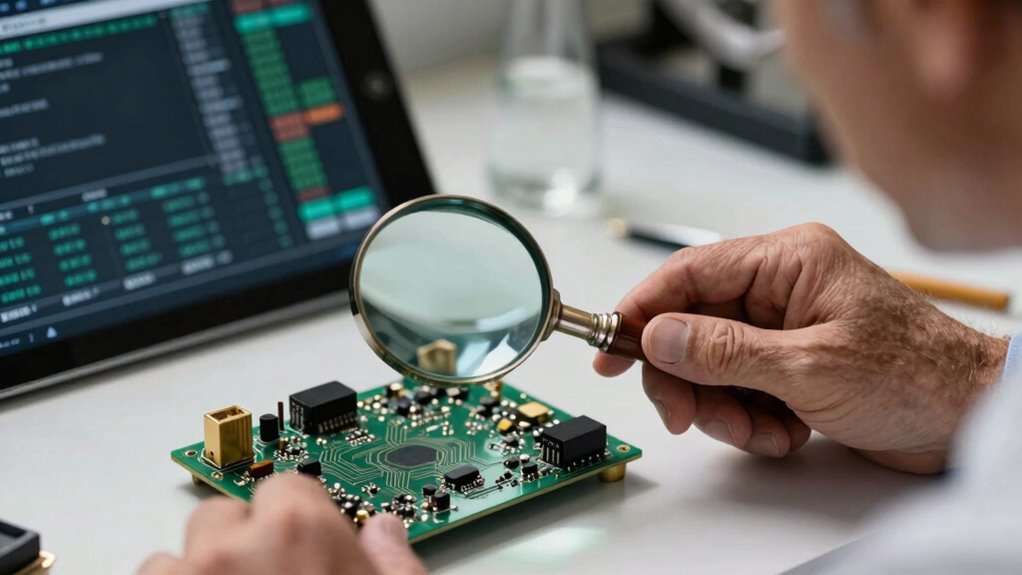

You should see technology as a valuable tool that boosts your observation skills by making data collection more accurate and efficient. It can quickly spot patterns that might be missed by manual effort, but it can’t interpret subtle cues, emotions, or cultural contexts. Your judgment, empathy, and intuition are still essential to truly understand what you observe. When you combine tech with your insights, you get a more complete picture. Keep exploring to learn how this balance works best.

Get garden gear delivered free with Prime
- Fast, free delivery on millions of items
- Prime Video, Amazon Music and more included
- Member-only deals all year
Key Takeaways
- Technology enhances data accuracy and efficiency but lacks the ability to interpret subtle contextual, emotional, and cultural cues.
- Human judgment provides critical insight, empathy, and ethical considerations that automation cannot replicate.
- Overreliance on tech risks overlooking nuanced details and diminishes critical thinking skills.
- Ethical use of technology requires clear boundaries to protect privacy and maintain community trust.
- Combining tech with human expertise creates a more comprehensive, balanced, and responsible observation process.
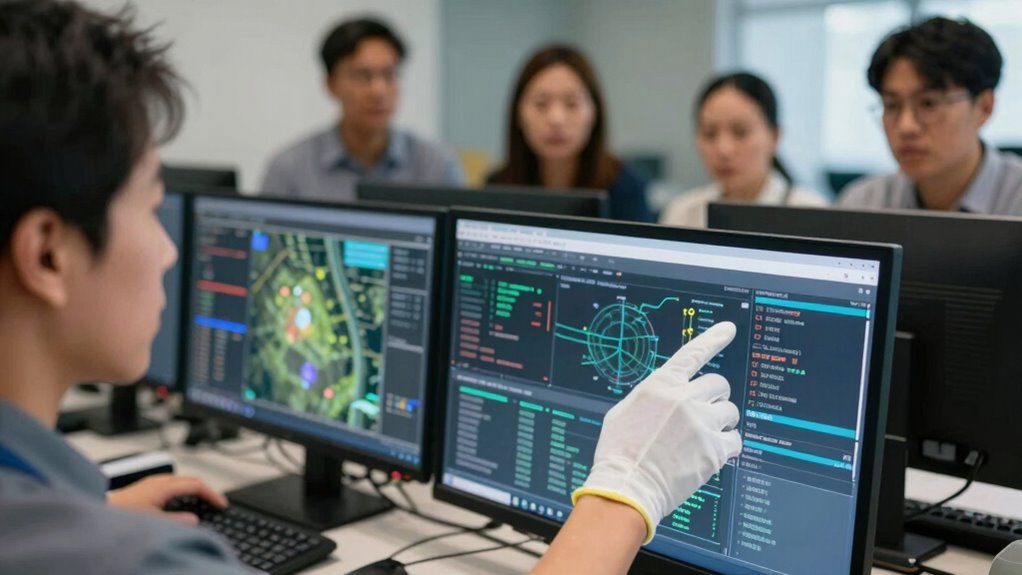
Have you ever wondered how technology can enhance the way we observe and analyze our environment? It’s a compelling question, especially as new tools and devices become more integrated into our daily lives. When used thoughtfully, technology can support your observations, making data collection more accurate and efficient. But it’s vital to remember that tech should serve as an aid, not a replacement for human judgment and intuition. Relying solely on automated systems risks overlooking the nuanced context that human observation provides. Technology can process large amounts of data quickly, but it lacks the ability to interpret subtle cues, emotional signals, or cultural nuances that often matter in understanding complex environments. Incorporating market insights can further refine your understanding of environmental trends and patterns. Additionally, understanding the limitations of automated analysis is crucial to maintaining a balanced perspective. Recognizing the importance of biodiversity helps ensure that technological support aligns with conservation goals. Supporting observation with technology offers benefits, but it also raises important ethical implications, especially around user privacy. When you deploy surveillance cameras, sensors, or data collection apps, you need to consider how this impacts the privacy rights of individuals involved. Overreach or misuse of such tools can lead to breaches of trust and even harm community cohesion. To address these concerns, establishing clear privacy policies is essential for responsible implementation of technology. It’s essential to establish clear boundaries and transparent policies to guarantee that technology enhances observation without infringing on personal privacy. Respecting user privacy isn’t just a legal obligation; it’s a moral one. When you prioritize ethical considerations, you help foster an environment where observation remains respectful and responsible. Technology should empower your ability to observe, not diminish the human element that brings context, empathy, and ethical judgment into the process. For instance, automated data collection can highlight patterns you might miss, but it’s your interpretative skills that provide meaning. When you combine technology with human insight, you create a more thorough understanding of your environment. It’s about balance—using tech to handle repetitive tasks while you focus on analysis, interpretation, and decision-making. If technology replaces observation entirely, you risk losing the critical thinking that leads to meaningful insights. Instead, it should support your curiosity and investigative skills. Recognizing the value of human judgment ensures that technology remains a tool for enhancement rather than replacement.
Frequently Asked Questions
How Can Technology Enhance Human Observational Skills Effectively?
You can enhance your observational skills through technology by leveraging Augmented Perception tools that provide real-time data overlays, making details more noticeable. Sensory Enhancement devices can amplify your senses, helping you detect subtle cues you might otherwise miss. These tools support your natural abilities, allowing you to observe more accurately and efficiently, without replacing your intuition. This fusion of tech and human skill leads to sharper, more insightful observations.
What Are Common Risks of Over-Relying on Tech for Observation?
Over-relying on tech for observation can lead you to automation bias, where you trust automated systems over your judgment, risking missed nuances. Privacy concerns also arise, as sensitive data might be mishandled or exposed. You might become complacent, losing essential observational skills, and depend too much on technology. To avoid these risks, balance tech use with active human observation, ensuring critical thinking and privacy are maintained.
How Does Tech Support Observation in Remote or Inaccessible Areas?
Tech supports observation in remote or inaccessible areas through sensor fusion, combining data from drones, satellites, and ground sensors for thorough insights. This approach helps you collect real-time information without physical presence. However, you must prioritize data privacy, ensuring sensitive data is protected and used ethically. By leveraging sensor fusion responsibly, you can enhance observation efforts efficiently while safeguarding privacy and maintaining trust in your observations.
Can Technology Adapt to Different Observational Contexts Automatically?
Yes, technology can adapt to different observational contexts automatically through advanced algorithms and machine learning. However, you must be cautious of automation biases, where you overly rely on tech, potentially ignoring important nuances. Data privacy is also vital, so make sure systems are designed to protect sensitive information. When used thoughtfully, tech can enhance observation without replacing the essential human judgment needed for context-specific understanding.
What Ethical Considerations Arise From Using Tech to Observe?
Like a cautious guardian, you must navigate the ethical landscape when tech observes. Privacy concerns loom like shadows, demanding transparency and respect. You’re responsible for ensuring consent requirements are clear, preventing the technology from becoming a silent intruder. As stewards of trust, you balance innovation with ethics, recognizing that technology’s eye should serve, not deceive. Protecting individual rights becomes your guiding star amid this complex moral terrain.
Conclusion
If you let technology take over observation entirely, you risk losing the very essence of human experience—our intuition, empathy, and connection. Without careful support, tech could turn us into mere spectators, blind to the true world around us. Don’t let machines replace genuine understanding. Instead, harness their power as tools that amplify your senses, ensuring you remain deeply connected, truly aware, and never, ever lose the magic of authentic observation in this rapidly advancing world.
Fall yard work Picks
leaf blowers
As an affiliate, we earn on qualifying purchases.