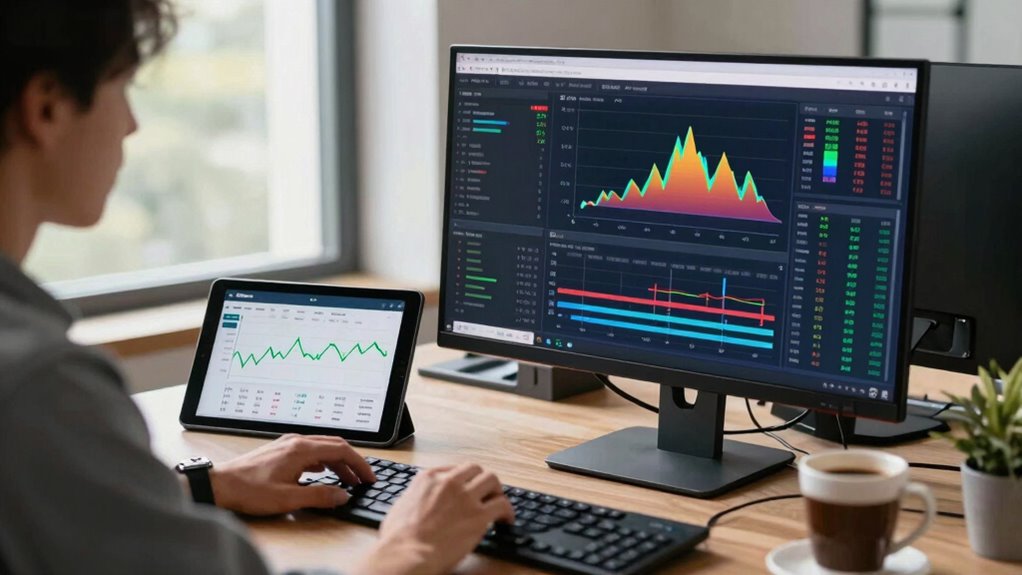

To use monitoring tools effectively without micromanaging, focus on support rather than control. Set automated alerts for key metrics and respond quickly to issues or opportunities—avoid obsessing over every detail. Use dashboards with clear visualizations to grasp team performance at a glance and share these insights to build trust. Empower your team by relying on data to guide decisions, fostering independence. Keep exploring ways to balance oversight and autonomy for better results.

Get garden gear delivered free with Prime
- Fast, free delivery on millions of items
- Prime Video, Amazon Music and more included
- Member-only deals all year
Key Takeaways
- Focus on critical metrics and set automated alerts for significant threshold breaches.
- Use visual dashboards to quickly identify trends and outliers without scrutinizing every data point.
- Balance oversight by interpreting data for strategic decisions rather than monitoring all individual readings.
- Foster trust by sharing relevant metrics openly and encouraging team autonomy.
- Respond proactively to alerts, avoiding constant manual checks and unnecessary micromanagement.
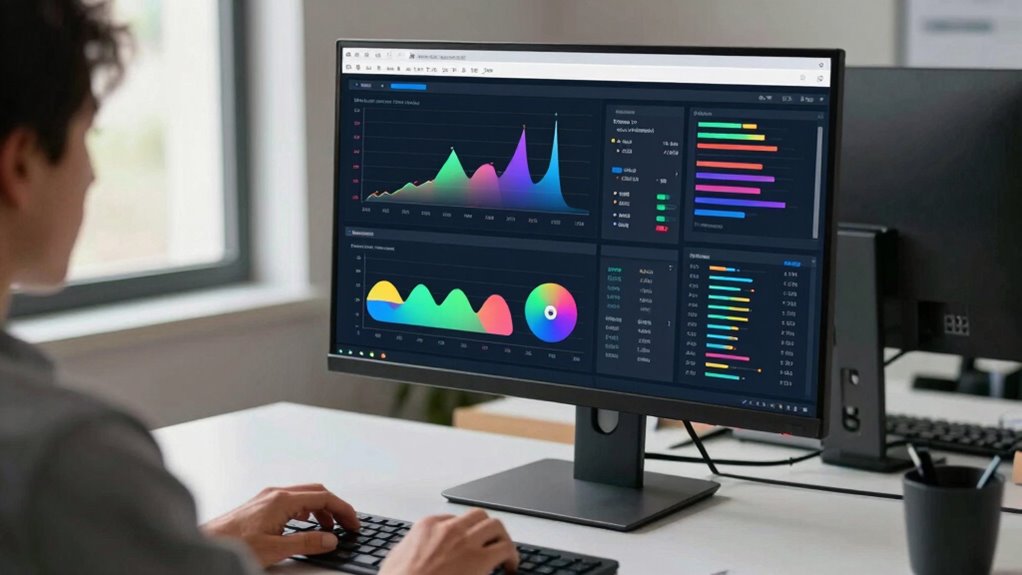
Monitoring tools can boost your team’s productivity without making you feel like you’re micromanaging every move. The key lies in using these tools strategically, so they support your management style rather than hinder it. When you leverage automated alerts, you’re notified instantly when specific metrics or thresholds are met, allowing you to stay informed without constantly checking dashboards. These alerts help you respond quickly to issues or opportunities, but they don’t require you to obsess over every detail. Instead, they give you just enough information to stay proactive without disrupting your team’s workflow.
Data visualization plays a crucial role here. When data is presented visually—through charts, graphs, and dashboards—you get a clear, immediate picture of your team’s performance. Instead of sifting through raw numbers, you see trends and outliers at a glance. This enables you to identify areas that need attention without obsessing over every single data point. By setting up visual dashboards that highlight key metrics, you empower yourself to monitor progress efficiently. This way, you can focus on strategic decisions rather than getting bogged down in minutiae. Incorporating data-driven insights into your monitoring process can further enhance your ability to interpret trends and make informed decisions quickly. Additionally, understanding the importance of trust in your team can help you use these tools as a support system rather than a means of constant oversight. Building this trust can be reinforced through consistent communication, which clarifies expectations and reduces misunderstandings about monitoring practices.
Furthermore, these tools should serve as a support system, not a substitute for trust. As a manager, your role is to guide and empower your team, not to scrutinize every task they perform. Use monitoring tools to gain insights that help you identify patterns and potential problems early. This approach lets your team feel trusted and valued, knowing you rely on data to inform your decisions rather than to control every action. It’s about creating a transparent environment where everyone understands the metrics, and you’re all working together toward shared objectives. Recognizing effective management strategies can help you balance oversight with autonomy, fostering a healthier and more productive work environment.
In short, by utilizing automated alerts and data visualization wisely, you keep yourself informed without resorting to micromanagement. These tools give you the clarity you need to lead effectively and foster a high-performing team, all while maintaining a healthy level of oversight that encourages autonomy and trust.
monitoring dashboard with visualizations
As an affiliate, we earn on qualifying purchases.
As an affiliate, we earn on qualifying purchases.
Frequently Asked Questions
How Often Should I Review Monitoring Tool Data?
You should review your monitoring tool data daily or weekly, depending on your organization’s needs. Use data visualization to quickly spot trends and anomalies. Customize alerts to notify you only when critical thresholds are crossed, so you don’t waste time micromanaging every reading. Regular reviews help you stay informed and make proactive decisions, but avoid obsessing over every detail—trust your setup and focus on significant insights.
What Are Signs of Micromanagement When Using Tools?
Signs of micromanagement include constantly questioning your team’s data accuracy, hovering over their work, and overly scrutinizing every monitoring report. You might notice a decline in employee trust, as team members feel their independence is undermined. If you find yourself obsessively checking data or micromanaging tasks, it’s a clear sign you’re overstepping. Balancing oversight with trust guarantees accurate data collection without damaging morale.
How Can I Trust Monitoring Data Without Obsessing Over Every Detail?
Ever notice how sometimes a small detail sparks trust? Focus on data accuracy by regularly cross-checking readings, which helps you trust your monitoring tools without obsessing over every metric. Build trust by understanding what the data represents and setting realistic benchmarks. Remember, it’s about confidence, not control—so let your monitoring tools guide you, not govern every decision. This way, you stay informed and empowered without micromanaging.
Are There Tools That Prevent Over-Monitoring?
Yes, there are tools designed to prevent over-monitoring, like data dashboards with customizable views and automated alerts. These tools help you focus on critical metrics without constantly checking every detail. You can set alerts for significant changes, so you’re notified only when necessary. By relying on dashboards for a quick overview and alerts for important issues, you avoid micromanaging and maintain trust in your monitoring data.
How Do I Balance Monitoring and Employee Autonomy?
You need to walk the line between monitoring and giving employees room to breathe. Building employee trust is key, so set clear expectations and focus on results rather than constant oversight. Maintain an autonomy balance by using monitoring tools as a support, not surveillance. Communicate openly about goals and trust your team to meet them. This approach fosters engagement, reduces stress, and keeps productivity high without feeling like you’re micromanaging every move.
Conclusion
By setting clear goals and trusting your monitoring tools, you can stay informed without feeling overwhelmed. Instead of obsessively checking every reading, focus on the bigger picture and let the data guide your decisions. Isn’t it more productive to use tools as a support system rather than a micromanagement crutch? Embrace a balanced approach, and you’ll find monitoring becomes a powerful asset, not a source of stress. Are you ready to take control without losing your peace of mind?
Halloween Picks
halloween
As an affiliate, we earn on qualifying purchases.