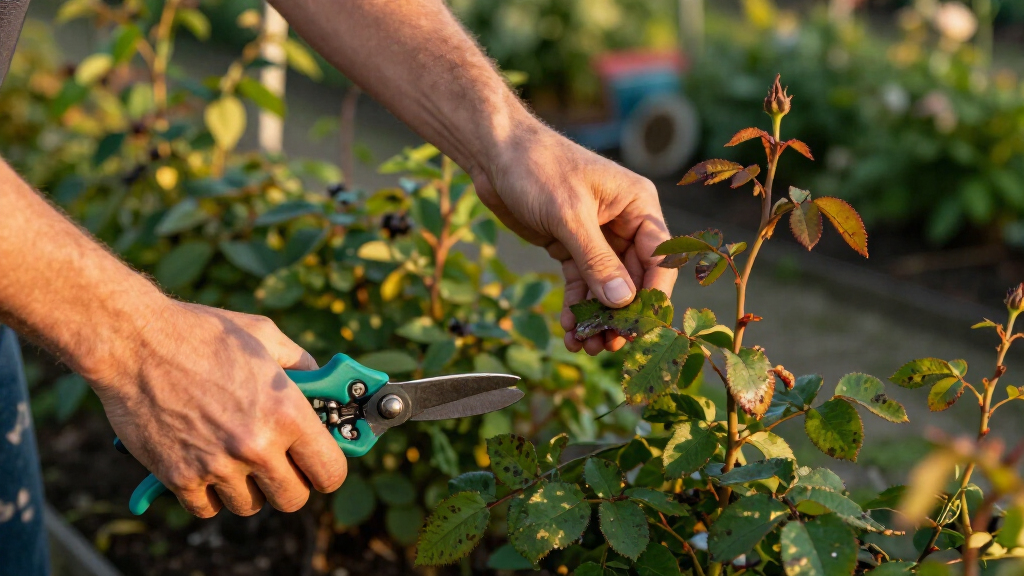

TL;DR
Many gardeners unknowingly worsen rose black spot by certain practices. This article identifies five common mistakes and offers advice to improve rose health. The information is based on horticultural guidance and expert opinions.
Gardeners often unknowingly exacerbate rose black spot through common practices. Experts warn that five frequent mistakes can worsen the disease, which affects rose health and appearance. Understanding these errors is crucial for effective management and healthier roses.
Recent horticultural advice highlights five everyday mistakes that can worsen rose black spot. These include overwatering, improper pruning, poor sanitation, incorrect fungicide use, and inadequate spacing between plants. Each of these practices can create conditions favorable for the fungal pathogen Diplocarpon rosae to thrive and spread. Experts emphasize that correcting these habits can significantly reduce disease severity and improve rose health.Overwatering can lead to excessive moisture, promoting fungal growth. Proper pruning techniques may leave wounds that serve as entry points for the fungus. Failing to remove infected leaves and debris allows spores to persist and spread. Using fungicides incorrectly or infrequently diminishes their effectiveness. Lastly, planting roses too close together hampers air circulation, creating a humid environment conducive to disease development.
Why Gardeners Need to Change Their Practices to Combat Black Spot
Understanding and avoiding these common mistakes is vital for gardeners aiming to maintain healthy roses. Effective management of black spot reduces the need for chemical treatments, lowers disease spread, and enhances the overall beauty of rose gardens. As rose black spot can weaken plants and diminish their ornamental value, adopting better practices can lead to more resilient and thriving roses.

Arber Organic Rose Fungicide for Black Spot, Powdery Mildew & Rust, 16oz
- Fast Disease Prevention: Sprays at first signs of disease
- Organic Microbial Formula: Contains beneficial Bacillus amyloliquefaciens F727
- Large Coverage Size: Treats up to 2,500 sq ft
As an affiliate, we earn on qualifying purchases.
As an affiliate, we earn on qualifying purchases.
Previous Advice and Common Misconceptions About Rose Black Spot
Rose black spot is a widespread fungal disease that causes black lesions on leaves, leading to defoliation and weakened plants. Traditional advice often emphasizes fungicide application but overlooks cultural practices that influence disease severity. Recent horticultural studies and expert opinions suggest that many gardeners unintentionally worsen the problem through routine gardening habits. Correcting these habits can complement chemical controls and improve disease management.
“Many gardeners are surprised to learn that simple mistakes like overwatering or poor pruning can significantly worsen black spot. Small changes can make a big difference.”
— Dr. Emily Carter, horticultural expert
Unclear Aspects and Areas for Further Research
While the link between these practices and black spot severity is supported by expert opinion, specific quantitative data on how much each mistake worsens the disease remains limited. Further research is needed to determine optimal pruning times and watering schedules for different rose varieties. Additionally, the long-term effectiveness of various fungicide application strategies in conjunction with cultural practices is still being studied.
Next Steps for Gardeners and Researchers in Managing Black Spot
Gardeners are encouraged to review and adjust their practices based on current advice, focusing on proper watering, pruning, sanitation, spacing, and fungicide use. Researchers plan to conduct more detailed studies to quantify the impact of specific cultural practices on disease progression. Extension services and horticultural organizations will likely continue providing updated guidance to help gardeners implement best practices effectively.
Key Questions
How can I tell if my rose black spot is getting worse?
Watch for increasing number and size of black lesions on leaves, along with early leaf drop. If the disease seems to spread rapidly or affects most leaves, it may be worsening.
Can I prevent black spot without using chemicals?
Yes, cultural practices like proper spacing, sanitation, and careful pruning can significantly reduce the risk. However, in severe cases, fungicides may still be necessary for control.
How often should I prune my roses to prevent black spot?
Pruning should be done in early spring and after flowering, removing diseased or dead wood and opening up the plant for better air circulation.
Is overwatering really a problem for black spot?
Yes, overwatering increases leaf moisture and humidity, creating ideal conditions for fungal growth. Watering at the base of the plant helps reduce leaf wetness.
What is the best way to remove infected leaves?
Remove and dispose of fallen or infected leaves promptly, ideally away from the garden to prevent spores from spreading. Do not compost infected material.
Source: rss