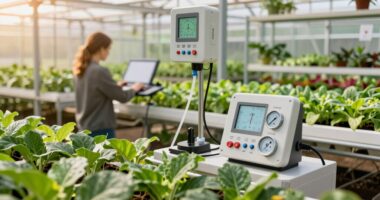
A remote thermometer setup that saves more than worry is one that’s easy to configure, provides real-time data via wireless connections, and offers alerts for temperature deviations. By properly calibrating the device and placing it securely away from heat sources, you guarantee accurate readings. Regularly checking the connection and maintaining the device keeps things running smoothly. If you keep exploring, you’ll discover tips to maximize its reliability and efficiency even further.

Get garden gear delivered free with Prime
- Fast, free delivery on millions of items
- Prime Video, Amazon Music and more included
- Member-only deals all year
Key Takeaways
- Wireless remote thermometers provide real-time data access, reducing monitoring anxiety and enabling quick responses to temperature changes.
- Proper calibration and regular maintenance ensure accurate readings, preventing costly errors and unnecessary worry.
- Easy setup with app or web portal access simplifies initial configuration, saving time and effort.
- Alerts and monitoring dashboards notify users of threshold breaches, enabling proactive management and peace of mind.
- Stable wireless connections and optimal placement minimize data loss, ensuring reliable temperature tracking at all times.

Are you ready to set up a remote thermometer and improve your temperature monitoring? If so, you’re about to make your life a lot easier and more accurate. Modern remote thermometers are designed to connect wirelessly, giving you real-time data without the hassle of manual checks. Wireless connectivity means you can place the device anywhere within range, giving you flexibility and convenience you didn’t have before. Whether it’s in a busy kitchen, a laboratory, or a storage room, you won’t need to worry about bulky wires or limited placement options. Just connect the thermometer to your Wi-Fi or Bluetooth network, and you’re set to monitor temperatures remotely from your smartphone, tablet, or computer.
Getting the calibration accuracy right is crucial for reliable readings. When you set up your remote thermometer, pay close attention to calibration procedures. Many devices allow you to calibrate directly through their app or interface, ensuring that the temperature readings stay precise over time. Proper calibration means your thermometer isn’t just giving you quick data—it’s providing trustworthy measurements that support your safety, quality control, or research needs. Take the time to follow manufacturer instructions on calibration, and check the device periodically to ensure it remains accurate. This way, you avoid costly mistakes caused by skewed data, and you can confidently rely on your readings. calibration procedures are essential to maintaining the effectiveness of your device over time. Regularly reviewing your setup can also prevent potential issues and ensure your device remains reliable.
Ensure accurate readings by following calibration instructions and checking your remote thermometer regularly.
The setup process is straightforward but requires some attention to detail. First, power on the device and activate its wireless connection. You might need to download an app or access a web portal, depending on the model. Follow the prompts to connect it to your Wi-Fi or Bluetooth network, making sure the connection is stable. Once connected, position the thermometer in the desired location—ideally where it can get an accurate reading, away from direct sunlight or heat sources that could distort measurements. Confirm that the device is transmitting data correctly by checking your app or monitoring dashboard. Many thermometers also feature alarms or alerts that notify you if temperatures fall outside preset thresholds, adding an extra layer of safety. Additionally, understanding wireless connectivity options can help you troubleshoot or optimize your setup, especially as network stability can impact data transmission. Recognizing the importance of proper placement can further enhance measurement accuracy and device performance. Maintaining a secure connection is also vital to prevent data interference or loss. Regularly reviewing your setup can also prevent potential issues and ensure your device remains reliable.
Frequently Asked Questions
How Accurate Are Remote Thermometers Compared to Traditional Ones?
Remote thermometers are quite accurate when properly calibrated, often matching traditional thermometers within a small margin of error. They offer great user convenience, allowing you to measure temperatures without direct contact or discomfort. Just guarantee regular calibration accuracy checks to maintain reliability. Overall, with proper maintenance, remote thermometers provide precise readings comparable to traditional devices, making them a practical and user-friendly choice for everyday temperature monitoring.
What Maintenance Is Required for Remote Thermometer Devices?
Regular maintenance keeps remote thermometers accurate; studies show calibration guarantees precision within 0.2°C. You should perform calibration procedures as recommended by the manufacturer, usually annually or after impacts. Also, follow storage guidelines—keep devices in a dry, cool place when not in use. Clean sensors regularly with alcohol wipes, and check batteries to ensure consistent performance, preventing costly errors and guaranteeing reliable readings over time.
Can Remote Thermometers Be Used Outdoors?
Yes, you can use remote thermometers outdoors for outdoor weather and temperature monitoring. Make certain the device is weatherproof or specifically designed for outdoor use to withstand rain, snow, and sun exposure. Proper placement is essential—install it in a shaded, ventilated spot away from direct sunlight or heat sources. Regularly check and maintain the device to guarantee accurate readings, especially in extreme weather conditions.
How Long Is the Typical Battery Life for These Devices?
You’ll be amazed at how long remote thermometers last—often up to a year or more on a single set of batteries! Thanks to advanced power management, these devices maximize battery longevity by conserving energy during idle times. Typically, you can expect a reliable performance for 12 to 24 months, depending on usage and features. Regularly replacing batteries ensures continued accuracy and dependable readings without frequent interruptions.
Are Remote Thermometers Suitable for All Age Groups?
Yes, remote thermometers are suitable for all age groups, including children, because they promote child safety and make fever monitoring easier without disturbing sleep. You can quickly check a child’s temperature from a distance, reducing discomfort and stress for both parent and child. These devices are designed to be safe, non-invasive, and user-friendly, ensuring effective fever monitoring for infants, kids, and adults alike.
Conclusion
As you set up your remote thermometer, you realize it’s more than just a device—it’s a quiet guardian in your home. While it offers peace of mind and effortless monitoring, it also reminds you of how technology can bridge the gap between worry and relief. In choosing this setup, you embrace simplicity amidst complexity, knowing that sometimes, the smallest tools hold the greatest power to keep your loved ones safe and your mind at ease.
Halloween Picks
halloween
As an affiliate, we earn on qualifying purchases.