TL;DR

Get garden gear delivered free with Prime
- Fast, free delivery on millions of items
- Prime Video, Amazon Music and more included
- Member-only deals all year
Homes & Gardens published a shopping roundup of 16 bee hotels made from natural materials, featuring different styles and ways to place them in a garden. The report presents the products as shelter for nesting bees and notes that some designs also accommodate butterflies or other insects; it does not provide evidence that every model is suitable for every species or will last for a specified number of years.
Homes & Gardens has selected 16 bee hotels made from natural materials for gardeners looking to add nesting and shelter spaces for pollinators and other insects. The shopping roundup covers varied designs and installation options, including hanging, fence-mounted and ground-stake models, but does not establish that each product has been independently tested or will benefit every type of bee.
The collection describes bee hotels as structures with cavities or crevices that can offer shelter for nesting bees. Homes & Gardens says other insects, including butterflies, may also use some models. The report does not provide product test results, prices, availability, or a species-by-species assessment of the 16 choices, so readers should treat it as a shopping guide rather than a comparative scientific study.
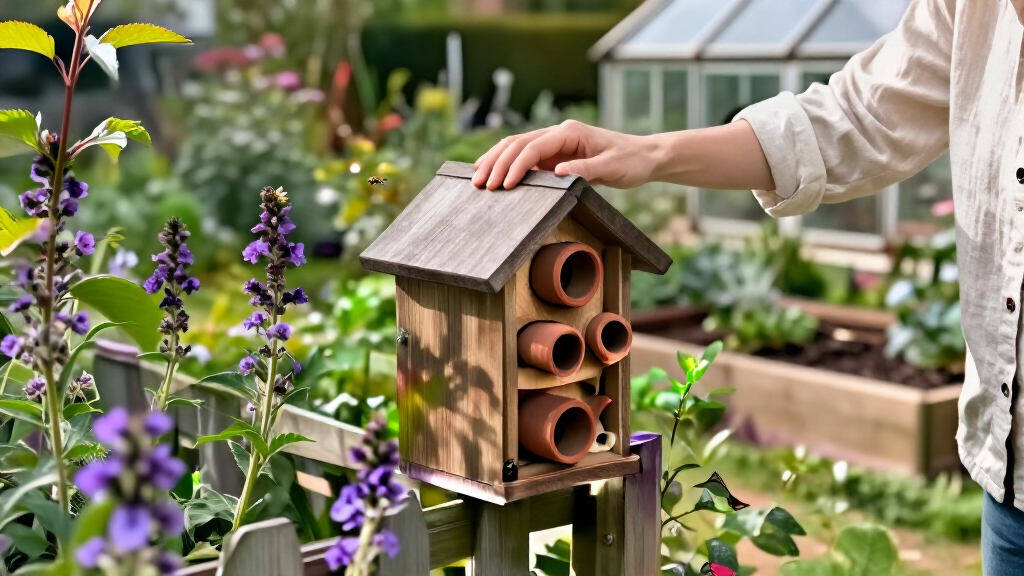
Examples in the roundup include wooden house-shaped hotels, a teardrop-shaped bamboo design and a model with a water tray. One featured option includes a butterfly section with narrow entry slits; another is described as a mason bee house with a beeswax coating. The report also mentions replacement tunnels for a mason bee house, but does not say how often they need replacing or whether the same maintenance schedule applies across products.
The roundup says the hotels can be hung, attached to a fence post or installed on a stake in the ground. Its headline promises 16 designs, but the supplied source text names only some examples rather than listing every product. It describes the choices as built for lasting use, without giving materials specifications, durability testing or a defined expected lifespan.
Adding Shelter to Garden Spaces
The report gives readers a range of ways to consider insect shelter in a garden, including options that may suit different layouts and preferences. A hotel can be one element of a wildlife-friendly space, but the source does not show that buying one alone will increase pollinator numbers or guarantee successful nesting. The value of a particular product depends on its construction, placement and suitability for the insects it is meant to serve.
Homes & Gardens also places bee hotels alongside other seasonal habitat measures. It recommends growing plants that flower later in the season for pollinators and avoiding excessive autumn tidying, since fallen leaves and garden debris can shelter insects. Those suggestions broaden the roundup beyond shopping: garden habitat can include food sources and undisturbed cover, not just a purchased structure.
For readers, the practical takeaway is to compare a product’s materials, design and intended users before buying. The roundup offers examples rather than a verified ranking, and it provides no quantified evidence about outcomes. Its recommendations may help people identify possible shelter structures, while the wider advice points to other ways to support wildlife without relying on a single purchase.
As an affiliate, we earn on qualifying purchases.
The Roundup’s Garden Advice
The source is a Homes & Gardens shopping roundup about natural-material bee hotels. It contrasts these products with plastic options that the article characterizes as cheap-looking or gimmicky, then presents natural-material designs as choices that can blend into a garden. That is an editorial description, not a measured comparison of performance or environmental impact.
The report also notes that gardeners can make a bee hotel themselves, though it does not include construction instructions in the supplied text. Beyond hotels, it mentions late-season flowering plants, retaining some fallen leaves and garden debris, and making a brush pile from woody material as other ways to provide food or shelter for wildlife. These suggestions are presented as general garden practices; the source does not quantify their effects.
The roundup is credited to Tenielle, identified in the source as a Gardens Content Editor at Homes & Gardens with magazine journalism experience and a previous editorial role at the Royal Horticultural Society’s magazine, The Garden. The supplied material gives no publication date, so the timing of the product selection and whether all named items remain available cannot be established from it.
“A bee hotel is just one way to make your garden wildlife-friendly before frost.”
— Homes & Gardens
Product Suitability and Evidence Gaps
The supplied report does not state when the roundup was published, list all 16 products by name, or provide prices and current stock information. It also does not describe how the products were selected, whether they were independently tested, or what evidence supports the claim that they are built to last for many years.
It remains unclear which species each design is suitable for, how well each one protects nesting insects, and what maintenance is required. The source says some hotels may be used by butterflies and other insects, but does not specify which species or how commonly. It gives no measurements of nesting success, pollinator population effects, or comparison with gardens without hotels. Those claims should not be read as a guarantee of wildlife outcomes.
Check Designs Before Buying
Readers interested in a particular hotel can check the retailer’s current product listing for dimensions, materials, installation guidance and availability, then confirm that its intended insect users match their goals. The source does not announce a follow-up report, product testing or a scheduled update to the collection, so no next publication milestone is confirmed.
For broader garden planning, the roundup points readers toward late-season flowering plants and less intensive autumn cleanup, alongside shelter structures. Whether choosing a purchased hotel, building one, or leaving some natural material undisturbed, the source provides options but no promise of a particular ecological result.
Key Questions
What did Homes & Gardens publish?
It published a shopping roundup of 16 bee hotel designs made from natural materials. The supplied source names several examples but does not reproduce the full product list.
What kinds of bee hotels are included?
Examples include wooden house-shaped models, a teardrop-shaped bamboo design, a hotel with a water tray and a mason bee house. The report also describes a model with a butterfly section.
Can bee hotels help insects other than bees?
The roundup says butterflies and other insects may use some hotels. It does not identify all relevant species or establish how frequently they use the featured designs.
Does the roundup prove that these hotels increase pollinator numbers?
No. The source presents the products as possible shelter for nesting bees and other insects, but gives no measured results for pollinator populations or nesting success.
What other garden measures does the report suggest?
It points to planting flowers that bloom later in the season, leaving some fallen leaves and garden debris, and making a brush pile from woody material as additional ways to provide food or shelter.
Source: rss
Halloween Picks
halloween
As an affiliate, we earn on qualifying purchases.