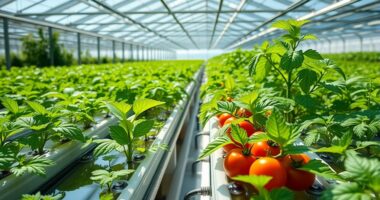
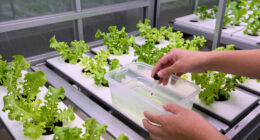
To use grow light data more intelligently, start by analyzing the spectral quality to match specific plant needs at each growth stage. Monitor light intensity, duration, and plant responses, then make adjustments to optimize photosynthesis and development. Reposition lights for even coverage and reduce energy waste by fine-tuning settings based on real-time feedback. Continuously interpret this data to refine your lighting strategy, helping plants thrive while conserving resources. Keep exploring to master more advanced techniques.

Get garden gear delivered free with Prime
- Fast, free delivery on millions of items
- Prime Video, Amazon Music and more included
- Member-only deals all year
Key Takeaways
- Analyze spectral emissions to select lights matching specific plant growth stages and needs.
- Use data on light intensity and coverage to optimize fixture placement and prevent energy waste.
- Monitor plant responses to adjust light duration, intensity, and spectrum for optimal health.
- Track daily light integral (DLI) to fine-tune photoperiods and enhance growth efficiency.
- Regularly interpret lighting data to make informed adjustments for maximizing yield and resource use.

Properly utilizing grow light data can considerably boost your plant growth and health. By paying close attention to the light spectrum emitted by your grow lights, you give your plants the specific wavelengths they need for photosynthesis, flowering, and overall development. Understanding how different light spectra influence plant processes allows you to tailor your lighting setup for maximum efficiency. For example, blue light promotes vegetative growth, while red light encourages flowering and fruiting. When you analyze your grow light data, you can adjust the spectrum to match your plants’ growth stage, guaranteeing they receive ideal light at all times.
Adjust grow light spectra to match plant growth stages for healthier, more productive plants.
In addition to spectral quality, energy efficiency plays a vital role in making the most of your grow light data. Efficient lighting reduces electricity costs and minimizes heat output, which can otherwise stress your plants or require additional cooling measures. By interpreting data on light intensity, wattage, and coverage, you can optimize your setup to deliver sufficient light without waste. For instance, if your data shows uneven distribution, you can reposition lights or add supplementary fixtures to guarantee uniform coverage, preventing wasted energy on over-illuminating some areas while leaving others in shadow. energy efficiency is a crucial factor to consider in sustainable gardening practices.
Using grow light data intelligently also involves monitoring the duration and timing of your light cycles. Data on daily light integral (DLI) can help you determine the ideal amount of light exposure for your plant species and growth stage. Adjusting the photoperiod based on real-time data guarantees your plants aren’t under- or overexposed, which can stunt growth or cause stress. This approach saves energy by preventing unnecessary extended lighting periods and promotes healthier, more vigorous plants.
Furthermore, tracking the response of your plants to different lighting parameters allows you to fine-tune your setup over time. If your data indicates that plants aren’t thriving despite the right spectrum, consider factors like light intensity or duration. Making incremental adjustments based on data feedback ensures you’re not relying on guesswork. Over time, this data-driven approach enhances both plant health and energy efficiency, leading to better yields and healthier growth cycles.
Additionally, understanding the light spectrum emissions of your grow lights can help you select the most suitable lighting for your specific plants and stages of growth. In essence, the key to using grow light data more intelligently is to interpret it with purpose. By understanding the importance of the light spectrum and emphasizing energy efficiency, you can create a lighting environment that maximizes plant potential without wasting resources. Constantly analyzing and adjusting based on real data helps you cultivate healthier plants more sustainably, saving money and improving your overall gardening success.
As an affiliate, we earn on qualifying purchases.
Frequently Asked Questions
How Often Should I Update My Grow Light Data?
You should update your grow light data every few weeks to optimize plant growth and light spectrum. Regular updates help you track changes in your plants’ needs as they grow, ensuring they receive the right amount of light. Keep an eye on plant health and adjust the light spectrum accordingly. Frequent updates allow you to fine-tune your setup, maximizing growth and preventing issues caused by outdated data.
Can Grow Light Data Predict Plant Health Issues?
Plant problems potentially pop up, and grow light data can predict these predicaments by analyzing plant growth and light spectrum shifts. When you monitor data diligently, you gain a deeper understanding of your plants’ health, spotting subtle signs of stress or deficiencies early. This proactive approach allows you to adjust light settings, optimize growth, and prevent issues before they escalate. Essentially, data delivers decisive insights for healthier, happier plants.
What Are Common Mistakes in Interpreting Grow Light Data?
A common mistake is ignoring the light spectrum when interpreting grow light data, which can lead to misjudging plant needs. You might also overlook proper data calibration, causing inaccuracies. Don’t assume all data is directly comparable; always make sure your sensors are calibrated correctly. Failing to take these factors into account results in poor decisions, potentially harming plant growth. Focus on understanding the light spectrum and maintaining calibration to interpret grow light data effectively.
How Does Weather Affect Grow Light Data Accuracy?
Weather variability can reduce grow light data accuracy by up to 30%, affecting your plant growth predictions. You should regularly calibrate your data to account for changing weather conditions, especially sunlight fluctuations caused by clouds or storms. By understanding how weather impacts natural light, you can adjust grow light settings more precisely, ensuring your plants receive consistent lighting, regardless of external weather changes.
Is Specialized Software Necessary for Analyzing Grow Light Data?
You don’t necessarily need specialized software to analyze grow light data, but it can make the process easier. By calibrating your sensors regularly, you guarantee accurate readings. Then, use data visualization tools to interpret trends and identify issues quickly. While basic analysis can be done with simple spreadsheets, specialized software often offers advanced features like real-time monitoring and detailed analytics, helping you optimize your grow light setup more effectively.
Conclusion
By analyzing your grow light data carefully, you can optimize your setup and boost plant health. Remember, “knowledge is power,” and the more you understand your data, the better your plants will thrive. Use this information to make smarter decisions, adjust lighting as needed, and watch your garden flourish. With patience and attention, you’ll turn raw data into a flourishing green space — because a well-informed gardener grows the best crops.
Columbus Day / Indigenous Peoples' Day Picks
long weekend sales
As an affiliate, we earn on qualifying purchases.