
TL;DR

Get garden gear delivered free with Prime
- Fast, free delivery on millions of items
- Prime Video, Amazon Music and more included
- Member-only deals all year
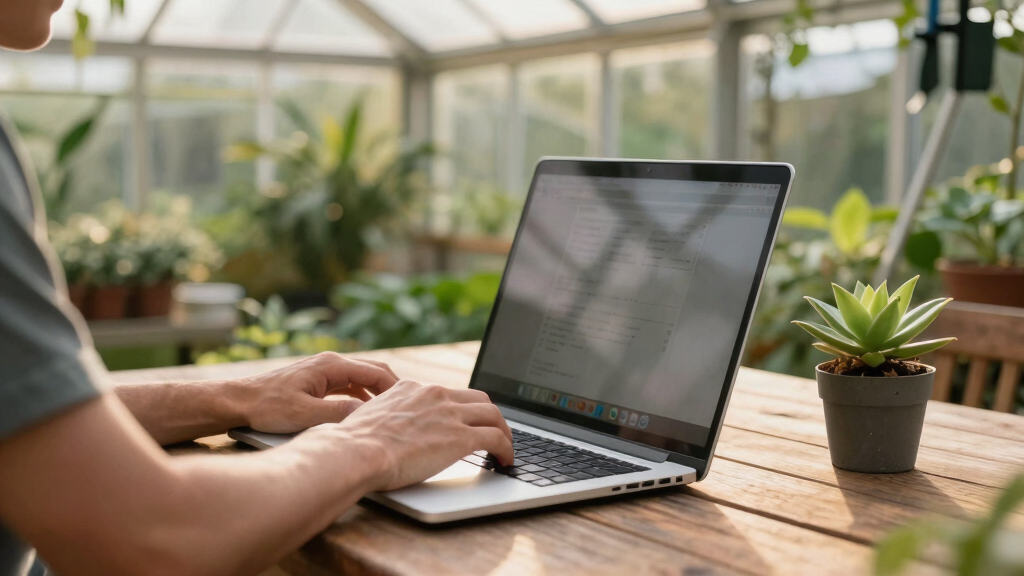
A recent phenomenon titled ‘A Spot In Your Home Office’ is experiencing a surge in global media coverage. Experts and audiences are increasingly discussing its implications for remote work environments. The development indicates rising concern about workspace comfort and productivity.
Interest in ‘A Spot In Your Home Office’ has rapidly increased across global media outlets, reflecting a growing focus on home workspace issues amid the rise of remote work. The phenomenon, which refers to a particular area or feature within home offices, is now a trending topic in discussions about productivity, comfort, and home design.
Data from gdelt indicates a significant rise in media mentions and social media discussions about ‘A Spot In Your Home Office’ over the past month, with coverage spreading across multiple countries and languages. Experts suggest that this surge correlates with the ongoing shift toward remote work, which has made home office environments a central concern for employees and employers alike.
While the specific nature of the ‘spot’ varies—ranging from ergonomic chairs to designated work zones—many sources highlight its impact on productivity and well-being. Some reports point to increased media focus on how individuals are customizing or optimizing their home workspaces to better suit their needs.
It is important to note that most coverage remains observational and anecdotal; there are no comprehensive studies confirming the direct effects of these ‘spots’ on home office setup performance or health. The phenomenon appears to be driven by media interest and social media trends rather than formal research at this stage.
Implications for Remote Work and Home Office Design
This surge in coverage underscores the importance of home workspace setup in the evolving landscape of remote work. As more people work from home, the design and comfort of a specific ‘spot’ can influence productivity, mental health, and overall job satisfaction. Employers and designers are increasingly paying attention to these details to support remote workers better.
Understanding this trend can help businesses develop better remote work policies and tools, while individuals may seek to optimize their environments for improved performance. The media attention also signals a broader societal shift toward valuing personalized, ergonomic, and functional home workspaces.
As an affiliate, we earn on qualifying purchases.
Rise of Remote Work and Home Office Trends
The concept of dedicated home workspaces has gained prominence over the past few years, especially following the COVID-19 pandemic, which accelerated remote work adoption worldwide. Media outlets have previously covered topics like ergonomic furniture, productivity hacks, and workspace aesthetics. The current focus on ‘A Spot In Your Home Office’ appears to be a natural extension of these discussions, emphasizing specific areas within the home environment.
Historical data from gdelt shows a steady increase in media mentions related to home offices since 2020, peaking in recent weeks as remote work becomes more normalized and companies consider hybrid models. This trend reflects a broader societal shift toward flexible working arrangements and personalized workspace solutions.
Prior to this surge, some experts warned about the potential downsides of poorly designed home workspaces, including health issues and reduced productivity. The current attention on ‘spots’ may be a response to these concerns, highlighting the desire for better, more tailored home office environments.
“The rise in media coverage about specific spots within home offices indicates a growing awareness of how workspace design impacts remote workers’ productivity and well-being.”
— an anonymous researcher
Unclear Long-Term Impact and Scientific Validation
It remains uncertain whether the surge in coverage will lead to sustained changes in home office design or productivity outcomes. There are no definitive studies linking specific ‘spots’ to improved work performance or health benefits. It is also uncertain how long this media attention will last or whether it will translate into actual behavioral changes among remote workers.
Further research is needed to understand the real effects of these ‘spots’ and whether this trend will influence future workplace policies or home design standards.
Monitoring Media Trends and Conducting Research
Experts anticipate continued media coverage and social media discussion around ‘A Spot In Your Home Office’ in the coming months. Researchers may begin to investigate the actual impact of specific workspace features on productivity and health. Employers and designers are likely to experiment with different setups, possibly adopting new standards based on emerging insights.
Stakeholders should watch for formal studies or surveys that might validate or challenge current perceptions, as well as any shifts in remote work policies influenced by this trend.
Key Questions
What exactly is ‘A Spot In Your Home Office’?
It refers to specific areas or features within a home workspace that people are focusing on, such as ergonomic chairs, designated zones, or particular furniture arrangements, believed to influence productivity and comfort.
Why is this trend gaining attention now?
The rise of remote work has made home office environments more critical, prompting media outlets and social media users to discuss how specific spots within these spaces impact work performance and well-being.
Are there any proven benefits to focusing on a particular spot in the home office?
Currently, there is no conclusive scientific evidence. Most discussions are anecdotal or based on observational reports. Further research is needed to confirm any direct benefits.
Will this trend influence future workplace policies?
It is possible, as employers seek to improve remote work conditions. Monitoring upcoming research and media developments will clarify whether this trend leads to formal changes in workplace or home office standards.
How can I optimize my home workspace based on this trend?
While definitive guidance is lacking, focusing on ergonomic furniture, designated work zones, and minimizing distractions may help improve comfort and productivity in your home office.
Source: gdelt
Halloween Picks
halloween
As an affiliate, we earn on qualifying purchases.