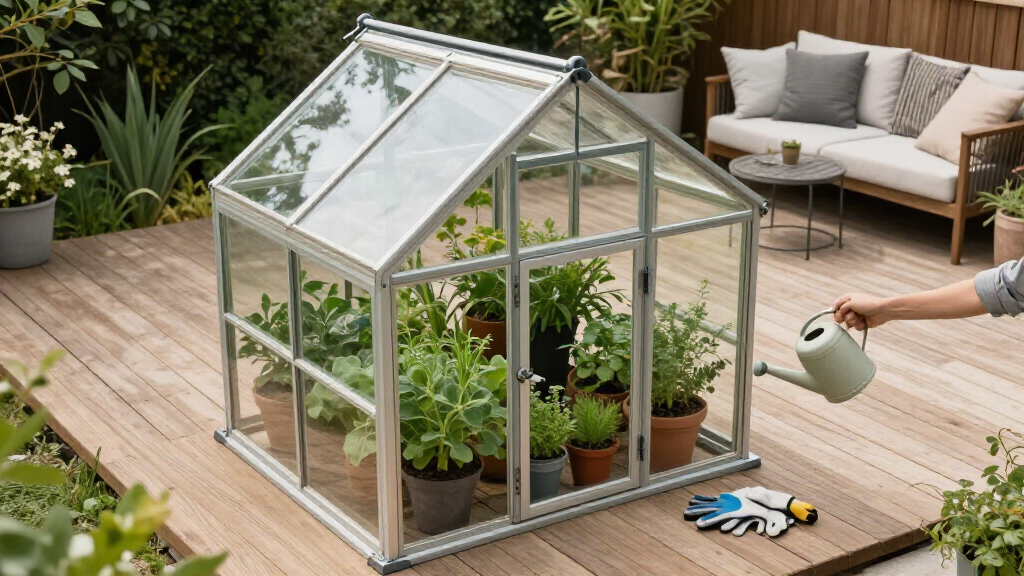
Garden enthusiasts and homeowners looking to extend their growing season often face the decision of selecting the right greenhouse kit. Two popular options are polycarbonate and glass greenhouse kits, each with distinct advantages and tradeoffs. Polycarbonate kits are known for their durability, affordability, and ease of installation, making them suitable for budget-conscious gardeners or those seeking low maintenance. Conversely, glass kits provide a traditional, visually appealing structure with superior light transmission, ideal for serious growers or those prioritizing aesthetics. This comparison explores the core differences between these options, helping buyers determine which suits their needs, budget, and aesthetic preferences. Whether you value cost-efficiency or premium appearance, understanding these differences will clarify which greenhouse kit will best support your gardening goals. Get garden gear delivered free with Prime

At a Glance
| Criteria | Polycarbonate Greenhouse Kits | Glass Greenhouse Kits | Winner |
|---|---|---|---|
| Material durability | High impact-resistant polycarbonate panels, virtually unbreakable | Tempered or laminated glass, more fragile but durable if handled properly | A |
| Cost | Lower initial cost, generally 20-40% cheaper | Higher cost, often 30-50% more expensive | B |
| Light transmission | Moderate light transmission, good UV protection | Excellent light transmission, closest to natural sunlight | B |
| Ease of installation | Simpler installation with lightweight panels | More complex installation, heavier panels and framing | A |
| Aesthetic appeal | Functional but less traditional appearance | Classic, attractive appearance with clear, natural look | B |
| Maintenance requirements | Requires minimal cleaning, resistant to weathering | Requires regular cleaning to maintain clarity, more prone to dirt buildup | A |
| Insulation performance | Moderate insulation, retains heat reasonably well | Excellent insulation, retains heat efficiently | B |
| Longevity | Can last 10-15 years with proper care | Typically lasts 15-25 years, potentially longer with maintenance | B |
4-Tier Mini Greenhouse with Locking Wheels and PVC Cover
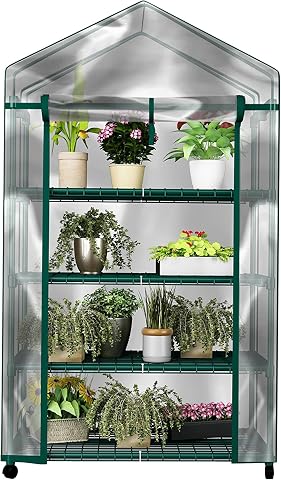
<p>This portable <strong>4-tier mini greenhouse</strong> stands out for its mobility, thanks to locking wheels, making it ideal for gardeners who need flexibility or limited space. Its sturdy tubular steel frame supports small to medium plants, herbs, and seedlings with ease. Compared to larger models, it offers a compact footprint, but this also means limited space for bigger plants or extensive setups. The PVC cover provides a decent barrier against frost and pests, although it may require replacement over time due to wear. Assembly is straightforward, though it may take some effort without tools. Overall, this greenhouse is perfect for those who want quick setup and mobility but are okay with size constraints.</p>
4-Tier Mini Greenhouse with Locking Wheels and PVC Cover
- ✔ Number of Tiers: 4
- ✔ Shelf Dimensions: 27 inches wide, 14 inches height spacing
- ✔ Weight Capacity per Shelf: 24 lbs

Greengro Greenhouse, 28 x 57 x 76 inches Walk-in Greenhouse for Outdoors and Indoor Use
- ✔ Dimensions: 28 x 57 x 76 inches
- ✔ Material: Polyethylene cover, metal frame
- ✔ Weight Capacity: 22 lbs per shelf
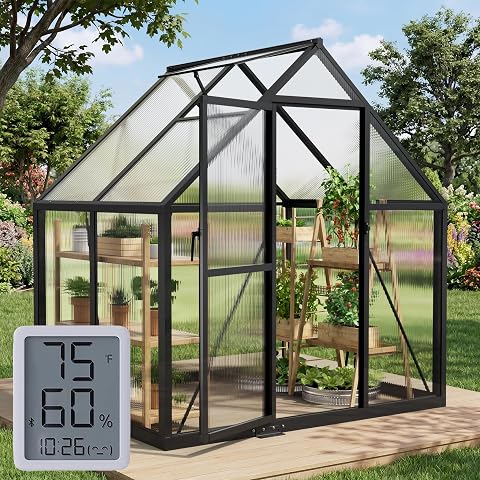
6x4FT Greenhouse with Hygrometer, Windproof, Warm Plant Greenhouses
- ✔ Size: 6×4 ft
- ✔ Material: Aluminum frame, polycarbonate panels
- ✔ Panel Thickness: 4mm
Pros:
- Portable design with locking wheels for easy movement
- Suitable for indoor and outdoor use
- Sturdy shelves with good weight capacity
Cons:
- Limited to small-to-medium plants
- PVC cover may need replacement
- Assembly can be slightly effortful without tools
Best for: Small-scale gardeners, urban growers, or those needing a portable solution
Not ideal for: Growing large plants or setting up extensive garden beds
Bottom line: Ideal for small, mobile setups but not for large or complex gardens.
“Ideal for small, mobile setups but not for large or complex gardens.”
Greengro Greenhouse, 28 x 57 x 76 inches Walk-in Greenhouse for Outdoors and Indoor Use
<p>The <strong>Greengro Greenhouse</strong> offers a generous, walk-in design that supports a variety of plants across all seasons. Its durable polyethylene cover and metal frame make it resistant to wind up to 45 mph, making it suitable for outdoor use in harsher weather. Unlike the mini model, this greenhouse provides more space, although it still isn’t meant for large-scale gardening. Assembly is relatively straightforward, but clarity in instructions can vary, which might challenge first-time builders. It’s perfect for gardeners who want a protected environment for herbs, vegetables, and flowers year-round, without sacrificing portability or ease of setup. Its main limitation is the size, which might not accommodate larger plants or extensive garden beds.</p>
Pros:
- Provides a controlled environment in all seasons
- Wind-resistant and durable construction
- Easy to assemble and portable
Cons:
- Limited space for large or numerous plants
- No detailed internal organization info
- Assembly instructions may vary in clarity
Best for: Seasoned outdoor gardeners or those seeking a controlled environment for diverse plants
Not ideal for: Large-scale vegetable growing or extensive plant collections
Bottom line: A versatile, weather-resistant greenhouse suited for year-round outdoor gardening, with size limitations for large setups.
“A versatile, weather-resistant greenhouse suited for year-round outdoor gardening, with size limitations for large setups.”
6x4FT Greenhouse with Hygrometer, Windproof, Warm Plant Greenhouses
<p>The <strong>6×4-foot greenhouse</strong> is designed for dedicated outdoor use, featuring an <strong>impact-resistant polycarbonate panel</strong> system that withstands harsh weather and provides UV protection. Its sturdy aluminum frame and include features like a hygrometer, adjustable roof vents, and a lockable door, making it the most robust option here. This model is ideal for gardeners who want to grow in all seasons and need maximum protection against wind, UV rays, and temperature fluctuations. However, its assembly process is more complex and time-consuming, and the size might limit larger plant setups. If you prioritize durability and weather resilience, this greenhouse offers excellent value despite its higher cost and effort required to set up.</p>
Pros:
- Heavy-duty aluminum frame and impact-resistant panels
- UV protection and windproof design
- Adjustable vents for precise climate control
Cons:
- Assembly can be time-consuming and challenging
- Polycarbonate panels may scratch over time
- Limited to 6×4 ft; not for large gardens
Best for: Outdoor growers needing durable, all-weather protection
Not ideal for: Budget-conscious gardeners or those with limited space
Bottom line: A highly durable, weatherproof greenhouse ideal for serious outdoor gardeners seeking year-round protection.
“A highly durable, weatherproof greenhouse ideal for serious outdoor gardeners seeking year-round protection.”
As an Amazon Associate we earn from qualifying purchases.
Key Differences
The core distinction between polycarbonate and glass greenhouse kits centers on material properties and the resulting user experience. Polycarbonate kits excel in durability and affordability, making them attractive for gardeners seeking a low-maintenance, resilient structure. They are less prone to shattering and are easier to handle during installation. However, they generally offer slightly lower light transmission and a less traditional aesthetic. Glass kits, on the other hand, provide superior clarity, mimicking natural sunlight more closely, which can promote healthier plant growth and a more attractive greenhouse environment. The tradeoff is higher initial cost and more delicate handling, which may require additional care and installation expertise. In practical terms, polycarbonate greenhouses suit those prioritizing durability, ease of use, and budget, while glass kits appeal to gardeners who value appearance and maximum light quality, and are willing to invest more upfront for long-term gains.
Detailed Comparison
Material Durability (Polycarbonate Greenhouse Kits wins — Major)
Polycarbonate panels are impact-resistant and virtually unbreakable, making them suitable for areas prone to hail or accidental impacts. Glass panels, especially tempered or laminated glass, are more fragile but can withstand regular weather conditions if handled carefully. For durability, polycarbonate wins decisively, especially for users concerned about breakage or low-maintenance requirements. This is a major difference that influences long-term costs and safety considerations.
Cost (Polycarbonate Greenhouse Kits wins — Major)
Polycarbonate kits are generally more affordable, with lower material and installation costs, making them accessible for budget-conscious buyers. Glass kits typically cost 30-50% more initially, reflecting material expenses and installation complexity. For those with a limited budget or seeking a cost-effective option, polycarbonate is the clear choice. The higher upfront investment in glass may be justified for users valuing appearance and light transmission, but for most casual gardeners, cost savings are significant.
Light Transmission (Glass Greenhouse Kits wins — Moderate)
Glass panels provide the highest level of light transmission, closely resembling natural sunlight, which can enhance plant growth and overall greenhouse environment. Polycarbonate panels, though offering good UV protection, transmit slightly less light, which might marginally affect plant development in some cases. Gardeners growing light-sensitive or high-light plants should favor glass, but for general use, polycarbonate remains sufficient. The difference is moderate but can be decisive for serious growers.
Ease of Installation (Polycarbonate Greenhouse Kits wins — Moderate)
Polycarbonate panels are lightweight and easier to handle, simplifying assembly for DIY enthusiasts or smaller structures. Glass panels are heavier, require precise handling, and often need professional installation, adding to complexity and time. For ease and speed, polycarbonate wins comfortably. This factor matters for those with limited experience or tools.
Aesthetic Appeal (Glass Greenhouse Kits wins — Moderate)
Glass greenhouses offer a classic, transparent look that many gardeners find more attractive and traditional. Polycarbonate’s opaque or tinted appearance is more functional and less visually appealing but can be customized in colors or finishes. If visual aesthetics are a priority, glass is superior. For utilitarian purposes, the difference becomes less critical, but overall, glass wins in appearance.
Maintenance Requirements (Polycarbonate Greenhouse Kits wins — Moderate)
Polycarbonate panels resist dirt, moss, and weathering better with minimal cleaning, making maintenance easier over time. Glass panels require regular cleaning to maintain clarity, especially in dusty or pollen-heavy environments. In terms of ongoing effort and convenience, polycarbonate is the winner, especially for casual or busy gardeners.
Insulation Performance (Glass Greenhouse Kits wins — Moderate)
Glass provides better insulation, helping to retain heat during colder months, which can reduce heating costs and extend the growing season. Polycarbonate offers decent insulation but generally falls short of glass’s performance. For users in colder climates or aiming for energy efficiency, glass is the better choice, although it comes at a higher cost.
Longevity (Glass Greenhouse Kits wins — Moderate)
Glass structures tend to last 15-25 years, often longer with proper maintenance, thanks to their durable material. Polycarbonate kits typically last 10-15 years before panels may need replacement due to UV degradation or scratching. For those seeking a long-term investment, glass offers better longevity, but at a higher initial price.
Polycarbonate Greenhouse Kits: Pros and Cons
Pros:
- Impact-resistant and highly durable
- Lower cost and easier to install
- Resistant to weathering and minimal maintenance
- Good insulation properties
Cons:
- Less transparent, slightly lower light transmission
- Lesser aesthetic appeal compared to glass
- Potential for yellowing or clouding over time
Glass Greenhouse Kits: Pros and Cons
Pros:
- Highest light transmission, closest to natural sunlight
- Traditional, attractive appearance
- Longer lifespan with proper care
- Better insulation for colder climates
Cons:
- Higher initial cost and installation complexity
- More fragile and prone to breakage if mishandled
- Requires regular cleaning to maintain clarity
Who Should Choose What
Choose Polycarbonate Greenhouse Kits if:
- You prioritize durability, ease of installation, and budget-friendly options
- You live in an area with hail or frequent impacts
- You want a low-maintenance solution that lasts around 10-15 years
Choose Glass Greenhouse Kits if:
- You value aesthetics and maximum light for plant growth
- You are prepared to invest more upfront for a longer-lasting structure
- You live in a colder climate and want better insulation
Value for Money
Polycarbonate kits offer better value for casual gardeners or those with limited budgets due to their lower cost, durability, and ease of installation. Glass kits, while more expensive initially, provide superior light, longevity, and aesthetic appeal, making them worth the investment for dedicated growers or those seeking a more traditional greenhouse. The decision hinges on weighing immediate costs against long-term benefits and aesthetic preferences.Final Verdict
For most home gardeners and casual users, polycarbonate greenhouse kits deliver excellent durability, low maintenance, and affordability, making them the better choice. They are especially suitable for those in harsher climates or with limited DIY skills. Conversely, glass kits suit serious growers or those who prize appearance and maximum light transmission, and who are willing to bear the higher initial cost for longer-term durability. Ultimately, select polycarbonate if cost and ease matter most; choose glass if aesthetics, light, and longevity justify the expense.
Frequently Asked Questions
Are polycarbonate greenhouses as durable as glass?
Polycarbonate panels are highly impact-resistant and nearly unbreakable, making them more durable in the face of impact or hail compared to glass, which is more fragile but can be reinforced with tempered or laminated options.
Which greenhouse kit is better for cold climates?
Glass greenhouses typically insulate better and retain heat more effectively, making them preferable for colder environments, though higher costs and installation complexity are considerations.
Is the appearance of a greenhouse important?
Glass greenhouses offer a classic, transparent look that many find more attractive and natural, while polycarbonate structures tend to look more functional and modern, suitable for utilitarian purposes.
How much should I expect to spend on a good greenhouse kit?
Polycarbonate kits generally range from $1,000 to $3,000 depending on size and features, while glass kits tend to start around $2,500 and can go well above $5,000 for larger, premium models.
Which option lasts longer?
Glass greenhouses often last 15-25 years with proper maintenance, while polycarbonate ones typically last 10-15 years, making glass a longer-term investment.
Fall yard work Picks
leaf blowers
As an affiliate, we earn on qualifying purchases.