
One overlooked drainage detail that can ruin your build is neglecting proper sub-surface grading and integrating drainage with landscape design. Even small missteps can cause water to pool around foundations, leading to erosion, structural damage, or long-term water issues. Failing to choose durable materials or hide drainage features can also compromise your project’s look and function. Pay close attention to these details now; you’ll discover how minor errors can turn into major problems later.

Get garden gear delivered free with Prime
- Fast, free delivery on millions of items
- Prime Video, Amazon Music and more included
- Member-only deals all year
Key Takeaways
- Ignoring proper grading can cause water pooling, leading to foundation erosion and structural damage over time.
- Failing to conceal or blend drainage features compromises landscape aesthetics and may draw unwanted attention.
- Inadequate drainage capacity during heavy rains results in flooding, erosion, and compromised site stability.
- Using low-quality or corrosion-prone materials increases the risk of leaks, blockages, and system failure.
- Neglecting to integrate drainage with terrain and landscape design reduces effectiveness and can cause long-term water issues.
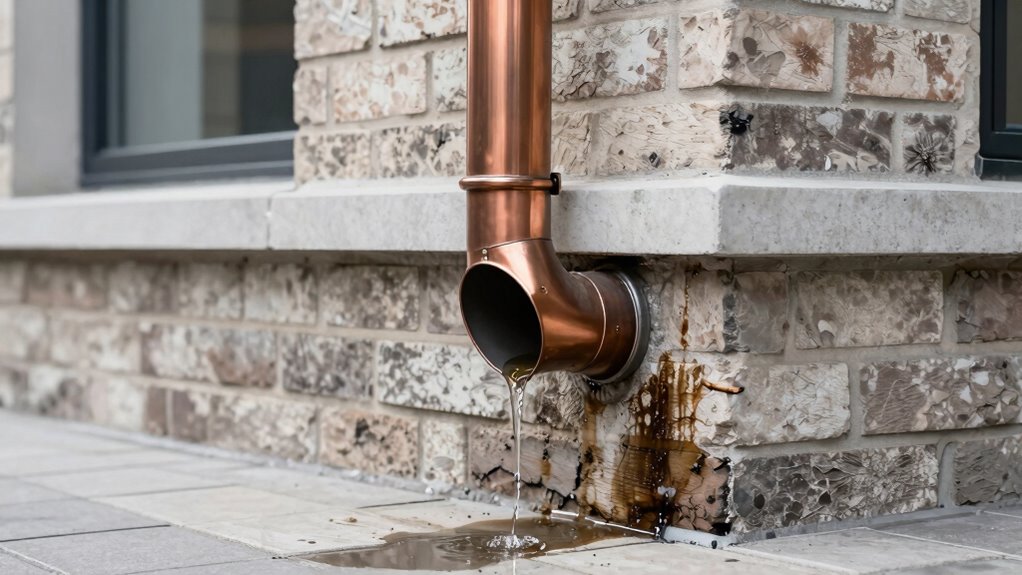
Drainage details often seem like minor touches, but when poorly executed, they can critically ruin your builds. If you ignore the importance of proper drainage, you risk compromising the entire structure’s integrity. You might have a stunning design, quality materials, and meticulous craftsmanship, but neglecting this essential aspect can lead to water damage, erosion, and long-term instability. The key to avoiding these pitfalls is understanding how drainage integrates seamlessly into your landscape and guaranteeing the materials you choose can withstand constant exposure to moisture.
Proper drainage is essential to protect your structure’s integrity and prevent long-term water damage.
Landscape integration plays a fundamental role in effective drainage solutions. When you plan your drainage system, it’s necessary to consider how it fits within the overall design. Disjointed or visible drainage features can detract from the aesthetics and make the system appear out of place. Instead, aim to hide or blend drainage elements into the landscape, using natural contours, plantings, or subtle grading. This approach not only maintains visual harmony but also guides water away from your build naturally, reducing the need for intrusive infrastructure. Proper integration means the system works with the terrain rather than fighting against it, resulting in a more sustainable and visually appealing solution. Understanding how landscape integration impacts drainage efficiency can help you create a more cohesive and durable design. Additionally, considering the terrain and soil conditions during planning ensures your drainage system is tailored to the specific environment, enhancing its effectiveness over time. Recognizing drainage capacity needs is also crucial to prevent overwhelm during heavy rainfall. Moreover, implementing proper grading techniques ensures water flows efficiently away from structures, preventing pooling and erosion.
Material durability is another critical factor you can’t overlook. The materials you select for drainage components must withstand constant exposure to water, soil, and weather conditions. Using cheap or inappropriate materials can lead to early deterioration, blockages, or leaks, which compromise the entire drainage system. Invest in high-quality, durable materials like reinforced concrete, high-grade plastics, or corrosion-resistant metals. These materials ensure longevity, minimize maintenance, and provide consistent performance over time. Remember, a reliable drainage system isn’t just about initial correctness; it’s about lasting resilience, especially in challenging weather or soil conditions. Understanding the importance of material durability is essential for long-term success. Choosing the right materials also reduces the need for frequent repairs and replacements, saving you time and money in the long run. Properly installed and maintained durable materials can significantly extend the lifespan of your drainage infrastructure.
When you combine landscape integration with durable materials, your drainage system becomes almost invisible yet highly effective. It prevents water from pooling around your foundation, washes away excess moisture, and protects your build from potential water damage—all without disrupting the visual appeal of your landscape. If you neglect these details, water issues will surface, leading to costly repairs or even structural failure. So, take the time to plan your drainage carefully, choosing materials suited for durability, and design it to complement your landscape. Doing so guarantees your build remains solid, attractive, and protected for years to come. Proper understanding and application of these concepts are key to maintaining a resilient and beautiful structure.
As an affiliate, we earn on qualifying purchases.
Frequently Asked Questions
How Can I Identify Poor Drainage Design Early?
You can identify poor drainage design early by observing how water flows during heavy rain, noting pooling or erosion issues. Pay attention to landscaping aesthetics—if water pools in unwanted areas, it can damage your design. Also, consider maintenance considerations; poorly designed drainage may require constant upkeep or cause mold and decay. Address these signs promptly to prevent long-term damage and guarantee your build remains both functional and visually appealing.
What Materials Are Best for Effective Drainage Systems?
When it comes to effective drainage systems, you want materials that stand the test of time and blend seamlessly with your landscape. Durable options like perforated pipes, gravel, and high-quality geotextiles are your best bet. These materials promote landscape integration and resist wear and tear. Don’t forget, choosing the right materials now keeps future headaches at bay—think of it as planting the seeds for a worry-free build.
How Does Climate Affect Drainage Detail Choices?
Climate greatly influences your drainage detail choices by requiring climate adaptability. In areas with seasonal variations, you need to design systems that handle heavy rainfall or snowmelt efficiently. For example, in colder climates, incorporate features like frost-proof drains, while in wetter regions, extra capacity and proper slope are essential. Understanding these seasonal changes guarantees your drainage system remains effective year-round, preventing water issues and protecting your build’s integrity.
Can Drainage Issues Cause Structural Damage Over Time?
Yes, drainage issues can cause structural damage over time. When water pools around your foundation or soil erosion occurs, it weakens the structural integrity of your building. Poor drainage allows excess water to seep into the soil, causing it to shift or settle unevenly. This ongoing stress can lead to cracks, foundation settling, or other structural problems, making proper drainage a vital part of long-term building health.
What’s the Cost Difference Between Proper and Improper Drainage?
Proper drainage maintenance costs considerably more upfront but prevents costly repairs later. An accurate cost analysis shows proper drainage systems, including gutters and French drains, can range from a few thousand dollars to over ten thousand, depending on the project size. Improper drainage, on the other hand, might save money initially but leads to structural damage, mold, and foundation issues that can cost tens of thousands over time. Investing in proper drainage saves you money long-term.
Conclusion
So, next time you’re celebrating a flawless build, remember the sneaky drainage detail lurking in the shadows. Ignore it, and your masterpiece might just turn into a soggy, crumbling mess faster than you can say “architectural disaster.” Don’t be that person who learns the hard way—double-check those drainage plans! After all, who needs a beautiful structure when you can have a leaky, ruined one instead? Stay vigilant, or risk your project becoming a soggy joke.
Evergreen bestsellers Picks
bestsellers
As an affiliate, we earn on qualifying purchases.