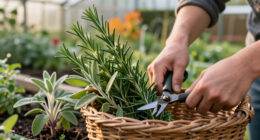
Before setting up a greenhouse on gravel, you need to prepare a flat, level surface by clearing debris and larger stones. Installing a sturdy foundation, like concrete or treated wood, is vital for stability and preventing shifting. Good drainage is important, so consider adding drainage layers and elevating the structure slightly. Keep in mind that gravel alone doesn’t support plants, so plan for rich soil inside. There’s more to guarantee your greenhouse stays stable and productive; keep exploring for details.

Get garden gear delivered free with Prime
- Fast, free delivery on millions of items
- Prime Video, Amazon Music and more included
- Member-only deals all year
Key Takeaways
- Prepare a flat, level gravel surface to ensure stability and prevent shifting of the greenhouse structure.
- Use a sturdy foundation, such as a concrete slab or treated wood framing, for long-term support.
- Incorporate proper drainage solutions, like perforated pipes or additional gravel layers, to prevent water pooling.
- Add quality soil or compost inside the greenhouse for healthy plant growth, as gravel alone lacks nutrients.
- Verify local building codes and regulations to ensure safety and compliance before installation.

Have you ever wondered if you can set up a greenhouse directly on gravel? It’s a common question for anyone looking to maximize space or avoid the hassle of removing existing ground cover. The answer is yes, but it requires some careful planning, especially around soil preparation and drainage solutions. Gravel provides excellent drainage, which is beneficial for plant health, but it doesn’t inherently support the stability or nutrients needed for healthy plant growth. To create a suitable environment, you’ll need to build a proper foundation that addresses these issues.
Start by clearing the area of loose debris and larger stones. Once you have a clean, level surface, you’ll want to lay down a sturdy base to support the greenhouse structure. Many people choose to install a foundation system on top of the gravel, such as concrete slabs or treated wood framing, to ensure stability. This not only prevents shifting but also provides a flat surface for the greenhouse base. When dealing with soil preparation, consider adding a layer of quality soil or compost inside the greenhouse for planting. This step is crucial because gravel alone won’t provide the necessary nutrients for your plants.
Clear debris, level surface, then add a sturdy foundation like concrete or treated wood for stability.
Drainage solutions are key to preventing water from pooling under or around your greenhouse. Gravel’s natural ability to drain water is an advantage, but it can also lead to uneven settling or shifting of the foundation if not managed properly. To address this, you might install a drainage layer beneath your foundation—such as a perforated pipe or additional gravel—to channel excess water away from the structure. Elevating the greenhouse slightly above ground level also helps improve drainage and prevents water accumulation underneath. It’s important to ensure that the foundation is slightly sloped, directing water away from the greenhouse walls and foundation to avoid potential water damage or flooding. Additionally, understanding soil stability is essential for maintaining a durable and secure greenhouse setup on gravel. Proper foundation design is equally important to ensure the long-term stability of your greenhouse in this setting. Incorporating drainage solutions effectively will help protect your structure from water-related issues and ensure longevity. Furthermore, considering the impact of foundation materials can influence the overall durability and ease of setup. Being aware of local building codes and regulations can also help ensure your setup complies with safety standards.
In addition to drainage, think about how you’ll manage moisture inside the greenhouse. Good ventilation and controlled watering practices are essential to keep humidity levels balanced. Once you have your foundation, soil preparation, and drainage solutions in place, you’re ready to assemble your greenhouse. Keep in mind that regular maintenance, like checking for drainage issues or shifting foundation parts, will prolong the life of your setup and keep your plants healthy. Setting up on gravel isn’t complicated, but it does demand attention to these details to ensure a stable, well-drained, and nurturing environment for your plants.
greenhouse foundation concrete slab
As an affiliate, we earn on qualifying purchases.
As an affiliate, we earn on qualifying purchases.
Frequently Asked Questions
How Do I Prevent Weed Growth on Gravel?
To prevent weed growth on gravel, start by laying down a high-quality weed barrier fabric before adding gravel. This acts as a barrier for weed prevention, keeping unwanted plants from sprouting. Regular gravel maintenance, like raking and topping up the gravel, helps maintain a clean look and discourages weeds from taking hold. Consistent inspection and removal of any emerging weeds also keep your greenhouse area neat and weed-free.
What Drainage Solutions Work Best for Gravel Bases?
Think of drainage solutions as the veins that keep your greenhouse alive. You’ll want to install a layer of gravel with a proper slope, directing excess water away. Adding a perforated pipe or French drain beneath the gravel enhances water management, preventing pooling. These measures guarantee structural stability, avoiding shifting or settling. Effective drainage keeps roots healthy and your greenhouse sturdy, letting you nurture your plants in a well-drained, resilient environment.
Can I Install Heating Systems Directly on Gravel?
You can install heating systems directly on gravel, but it’s best to ensure ventilation efficiency and insulation options first. Proper insulation helps retain heat, reducing energy costs, while good ventilation prevents overheating and maintains air quality. Use insulated mats or pads for the heater to improve efficiency. Consider your system’s compatibility with your gravel base, and to consider additional insulation layers underneath to maximize heat retention and overall greenhouse performance.
How Do I Ensure Stable Foundation Support?
Think of your greenhouse’s foundation as the backbone of a sturdy tree. To guarantee stable support, you should focus on soil stabilization and foundation reinforcement. Use gravel or crushed stone to improve drainage, then add a layer of compacted soil or concrete for extra stability. Consider installing piers or concrete footings to evenly distribute weight. Regularly inspecting and adjusting these supports keeps your greenhouse grounded and resilient against shifting or settling.
What Are the Cost Differences Compared to Soil-Based Setups?
Setting up a greenhouse on gravel usually costs more upfront than soil-based setups due to the need for foundation reinforcement and drainage systems. You’ll spend extra on soil amendments for plant nutrition and pest management supplies, as gravel foundations can limit soil fertility and make pest control trickier. However, gravel offers better drainage and stability, which can save you money long-term by reducing plant diseases and maintenance costs.
Conclusion
With your greenhouse nestled on gravel, you’re planting the seeds for a thriving haven, like a ship ready to sail on a sturdy deck. Just remember, proper groundwork is your compass, guiding your dreams from bare stone to lush paradise. Embrace the journey, knowing that patience and careful planning will turn your gravelly foundation into a fertile oasis. Soon, you’ll watch your green dreams bloom, as vibrant and unstoppable as a garden in full bloom under the sun.
Halloween Picks
halloween
As an affiliate, we earn on qualifying purchases.