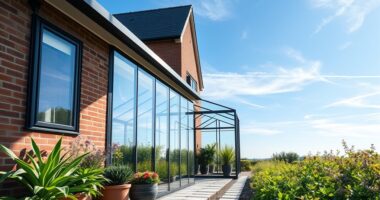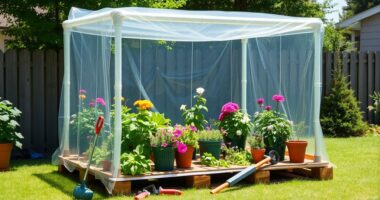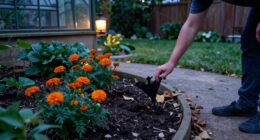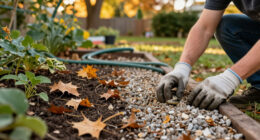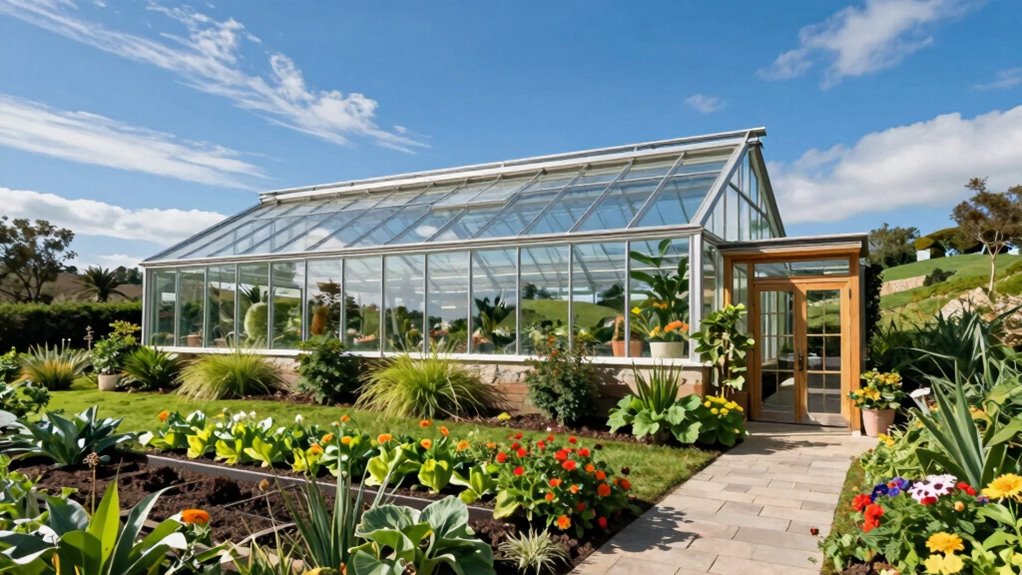
Building a greenhouse on a slope can be successful if you carefully choose the right location, align it with natural land contours, and use stable foundations like retaining walls. Focus on proper drainage to prevent water pooling and erosion, and optimize sunlight exposure by orienting it south or southeast. Incorporate sustainable materials and consider airflow and insulation. To learn more about overcoming challenges and maximizing your hillside greenhouse, keep exploring these essential strategies.

Get garden gear delivered free with Prime
- Fast, free delivery on millions of items
- Prime Video, Amazon Music and more included
- Member-only deals all year
Key Takeaways
- Building on a slope requires careful site assessment for stability, drainage, and sunlight exposure.
- Proper foundation and retaining structures prevent erosion and ensure greenhouse durability.
- Slope orientation influences sunlight access, crucial for plant health and energy efficiency.
- Incorporating natural barriers and drainage systems mitigates water runoff and soil erosion risks.
- Sustainable materials and ventilation improve climate control and environmental impact on sloped sites.
As an affiliate, we earn on qualifying purchases.
Design Principles for Building a Greenhouse on a Slope
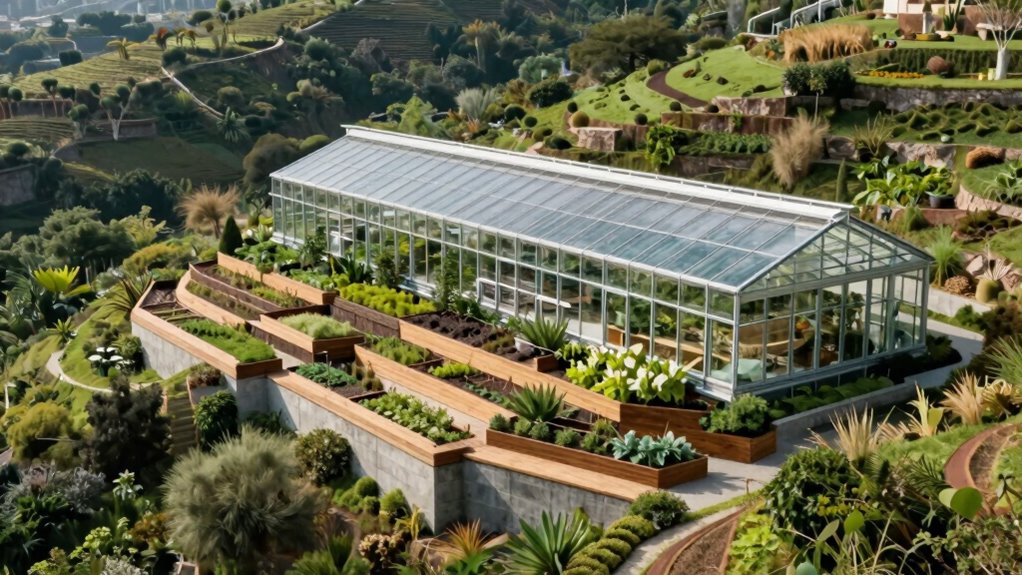
When building a greenhouse on a slope, it’s essential to take into account the land’s natural contours to guarantee stability and proper drainage. You should design with innovative ventilation systems to ensure consistent airflow, preventing overheating and humidity buildup. Using sustainable materials not only benefits the environment but also enhances the greenhouse’s durability. Incorporate natural insulation options like recycled wood or eco-friendly panels to regulate temperature efficiently. Keep the structure aligned with the slope’s grade to reduce soil disturbance and improve stability. Your design should also prioritize easy access for maintenance and airflow, avoiding blockages. Additionally, considering digital content formats can help in planning and visualizing the project effectively. Embracing minimalist design principles can also simplify construction and maintenance, creating a more efficient space. By blending these principles, you create a resilient, eco-conscious greenhouse that maximizes productivity while respecting the land’s natural features. Incorporating slope-specific design techniques ensures the structure adapts seamlessly to the terrain.
What to Think About Before You Build?
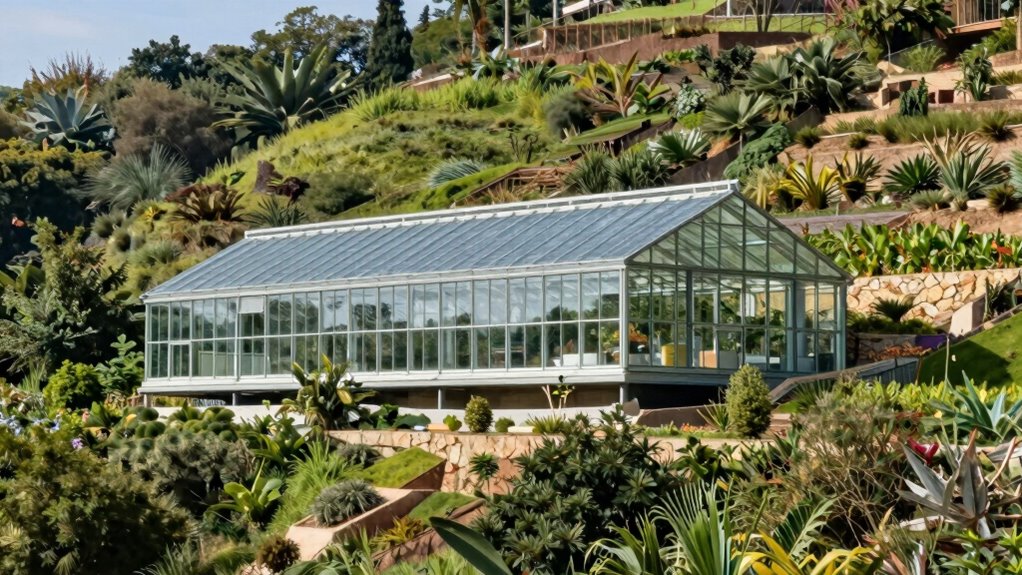
Before breaking ground on your slope-side greenhouse, it’s important to carefully evaluate several key factors that can influence its success. Soil testing is essential to understand drainage, nutrients, and stability, ensuring your structure sits on a solid foundation. A thorough soil analysis can help identify potential issues that might affect plant health and building integrity. Color accuracy plays a role in assessing how well your plants will respond to natural light conditions, which is vital for healthy growth. Cost considerations also play a big role; budget for site preparation, materials, and potential grading. Additionally, understanding home design and architecture details such as door swings and stair proportions can help optimize space and accessibility within your greenhouse. Proper soil stabilization techniques can further enhance the foundation’s durability on a slope, reducing future maintenance needs. Considering environmental factors such as wind exposure and sun orientation can also significantly impact your greenhouse’s long-term performance and plant health.
How to Build a Greenhouse on a Slope: A Step-by-Step Guide
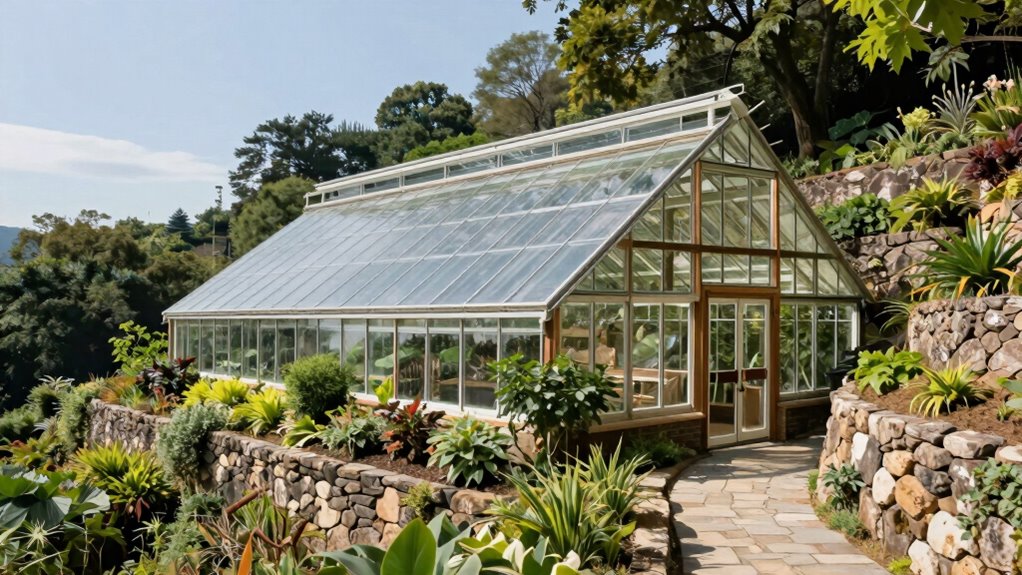
Building a greenhouse on a slope requires careful planning and precise execution. First, assess the slope’s angle and direction to maximize sunlight for your urban gardening goals. Choose a sturdy, level foundation on the flatter section of the slope, ensuring stability. Use retaining walls or terracing to prevent erosion and create level planting areas. Incorporate natural barriers or fencing to protect wildlife and avoid disruption. When constructing, prioritize proper drainage to prevent water pooling and soil erosion. Position the greenhouse to minimize environmental impact and support local wildlife protection. Use lightweight, sustainable materials to reduce strain on the slope and encourage biodiversity. With thoughtful design, you’ll create a thriving space for urban gardening that’s resilient and eco-friendly.
Overcoming Common Challenges: Drainage and Stability
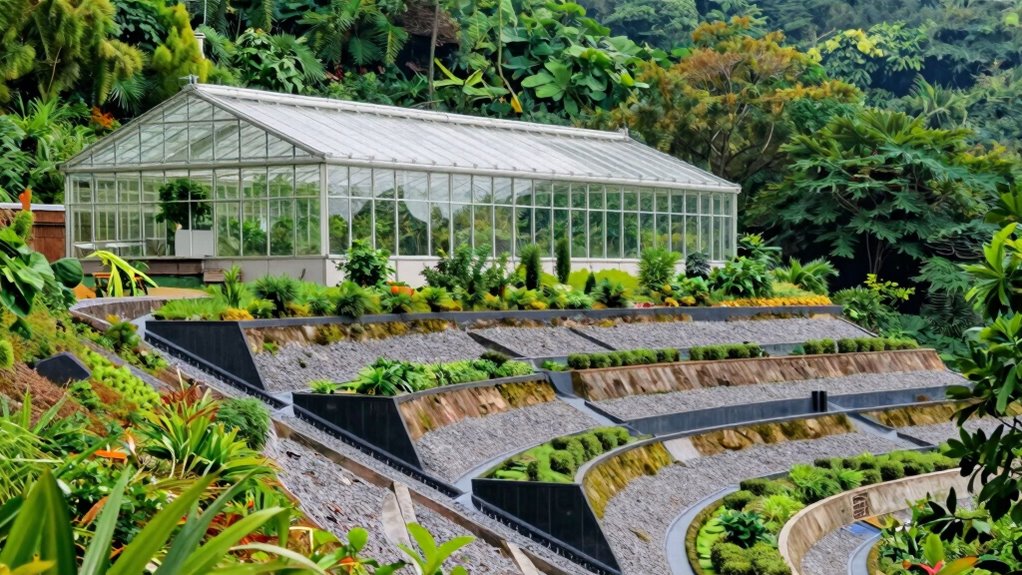
Addressing drainage and stability issues is essential to guaranteeing your greenhouse on a slope remains secure and functional over time. To prevent erosion, focus on soil stabilization by adding retaining walls or terracing, which help hold the soil in place. Proper drainage systems, like gravel-filled trenches or perforated pipes, direct excess water away from your structure. Wind protection is also critical; installing windbreaks or barriers shields your greenhouse from strong gusts that could shift or damage it. Incorporating landscaping can further enhance natural beauty while supporting stability. Additionally, implementing erosion control measures such as ground cover plants or erosion mats can significantly reduce soil loss on slopes. Using appropriate water damage prevention techniques during heavy rainfall can also safeguard your structure from water pooling and potential damage. Consistent maintenance of these features ensures your hillside greenhouse stays stable, reducing the risk of landslides or water pooling. By prioritizing soil stabilization and wind protection, you create a safe foundation that withstands environmental challenges and prolongs your greenhouse’s lifespan.
Tips to Maximize Sunlight and Manage Drainage on Your Hillside
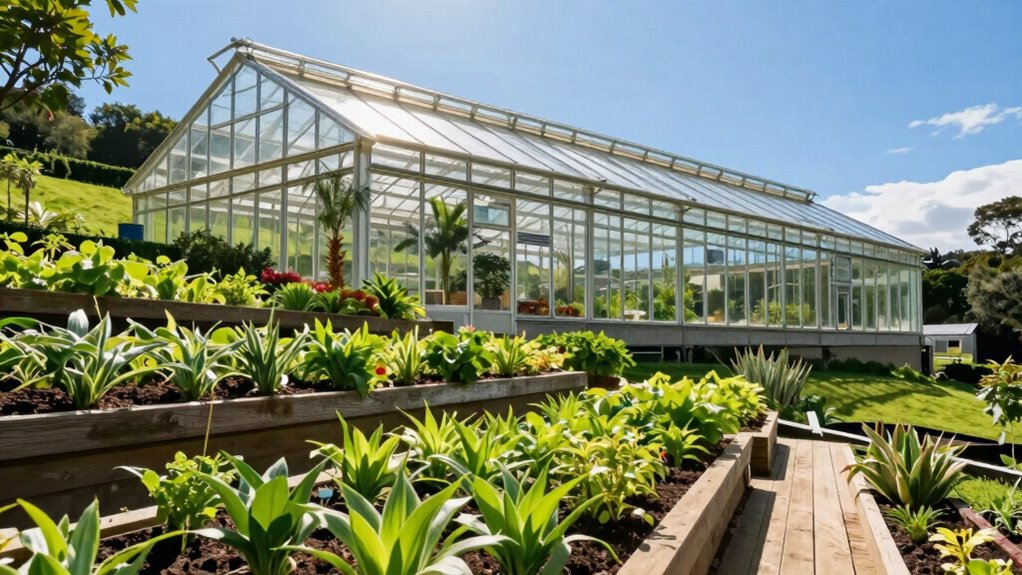
To maximize sunlight on your hillside greenhouse, strategically position it to face the sun’s most direct path, typically south or southeast in the northern hemisphere. Proper solar orientation guarantees your plants receive ideal light for growth. To manage shade, consider planting taller crops or installing shade cloths during the hottest months, preventing excessive heat and light blockage. Also, shape your greenhouse to slope gently, allowing water runoff and reducing drainage issues. Use the following table to prioritize sun exposure and shade management:
| Aspect | Action | Benefit |
|---|---|---|
| Solar orientation | Face greenhouse south/southeast | Maximize sunlight intake |
| Shade management | Use shade cloth or tall plants | Prevent overheating |
| Slope design | Ensure gentle slope for runoff | Improve drainage |
| Plant placement | Position shade-sensitive plants away from direct sun | Protect plants from sunburn |
| Drainage plan | Incorporate drainage channels | Avoid water pooling |
Additionally, understanding the drainage process is crucial for maintaining a healthy greenhouse environment on a slope. Properly managing water runoff can significantly reduce the risk of water damage and soil erosion. Developing a comprehensive drainage plan tailored to your hillside can further enhance your greenhouse’s stability and longevity. Incorporating soil testing can help determine the best materials and methods for effective drainage and stability on your slope. Regularly monitoring soil moisture levels can also ensure your drainage system remains effective over time.
Frequently Asked Questions
What Are the Best Types of Greenhouses for Slopes?
For slopes, you should consider a shed-style or lean-to greenhouse, as they adapt well to uneven terrain. To optimize plant health, focus on good greenhouse ventilation to prevent overheating and humidity issues. Incorporate solar panel integration to make your greenhouse energy-efficient, powering ventilation systems and lighting. These types offer stability on slopes and allow you to maximize natural light, creating a sustainable environment for your plants.
How Much Does Building on a Slope Typically Cost?
Building on a slope can surprisingly be affordable—if you don’t mind investing in land grading and drainage solutions. Typically, costs range from $5,000 to $30,000, depending on slope complexity and greenhouse size. You might think it’s expensive, but optimizing site prep saves you money in the long run. So, embrace the challenge, and with proper planning, you’ll enjoy a thriving greenhouse without breaking the bank.
Can a Slope Greenhouse Be Used Year-Round?
Yes, a slope greenhouse can be used year-round if you incorporate vertical gardening and solar heating. Vertical gardening maximizes space efficiency, helping you grow more plants even in colder months. Solar heating captures sunlight to maintain ideal temperatures, reducing energy costs. By designing your slope greenhouse with these features, you’ll create a sustainable environment that supports year-round gardening, regardless of seasonal changes.
What Permits Are Required for Hillside Greenhouse Construction?
You’ll need permits for hillside greenhouse construction, including approvals for stormwater management and soil stabilization. Check with your local building department to understand specific requirements, as they often mandate erosion control measures and proper drainage systems to prevent landslides. Securing these permits guarantees your project complies with safety regulations, helping you avoid fines and ensuring your greenhouse remains stable and environmentally responsible on the slope.
How Do I Prevent Pests From Entering on a Sloped Site?
Did you know that pests can travel up to 50 meters in search of food? To prevent this on a sloped site, install pest barriers at entry points and around the greenhouse perimeter. Use natural repellents like neem oil or garlic spray to deter pests naturally. Regularly inspect and maintain these defenses, and keep the area clean to reduce hiding spots, creating a hostile environment for unwanted visitors.
Conclusion
Building on a slope isn’t just about facing challenges; it’s about unleashing potential. While uneven terrain might seem intimidating, it offers unique opportunities to optimize sunlight and drainage, turning obstacles into advantages. Think of your hillside as a canvas—by applying smart design and careful planning, you’ll craft a thriving greenhouse that transforms a rugged slope into a lush, productive oasis. Embrace the journey, and watch your garden flourish where others might see only difficulty.
Fall Picks
fall essentials
As an affiliate, we earn on qualifying purchases.