
TL;DR

Get garden gear delivered free with Prime
- Fast, free delivery on millions of items
- Prime Video, Amazon Music and more included
- Member-only deals all year
LEGO has unveiled a new line of brick-built houseplants, prompting discussions about their aesthetic appeal and practicality. While the products are confirmed, their popularity and effectiveness remain under review, reflecting a broader trend in decorative DIY items.
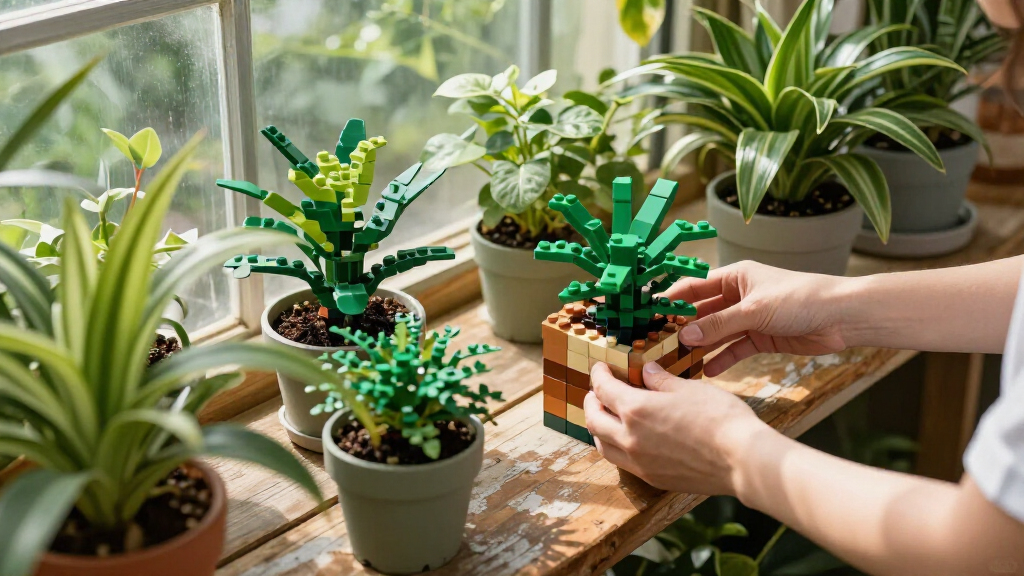
LEGO has launched a new line of brick-built houseplants, aiming to offer a decorative alternative to real greenery. This development is part of a broader trend in DIY and home decor, where artificial plants and creative displays are gaining popularity. The launch is confirmed, with the products now available for purchase online and in select stores, and has attracted significant media and consumer attention.
The new LEGO collection features various houseplant models, including succulents, ferns, and flowering plants, all constructed from LEGO bricks. According to the company, these sets are designed for both aesthetic appeal and durability, offering a maintenance-free alternative to real plants. The products are marketed toward home decorators, hobbyists, and those seeking low-maintenance interior accents.
While LEGO has officially announced the release, the extent of consumer adoption and the comparative appeal of these brick-built plants versus real or artificial plants remains uncertain. Early reviews highlight their detailed design and playful appeal, but some critics question whether they can truly replace the look and feel of real greenery in a home setting.
Impact of Brick-Built Plants on Home Decor Trends
The introduction of LEGO houseplants reflects a growing interest in customizable, low-maintenance home decor options. For consumers, this development could influence how people incorporate greenery into their spaces, especially for those who lack the time or skill to care for real plants. It also signals LEGO’s expansion into lifestyle and interior design markets, blending play with practical decor. The trend may impact sales of artificial plants and inspire new forms of creative expression within interior design communities.
As an affiliate, we earn on qualifying purchases.
Rise of Artificial and DIY Home Decor Items
Interest in artificial plants and DIY decor has surged in recent years, driven by urban living, busy lifestyles, and a desire for personalized spaces. Search interest in artificial houseplants has increased notably over the past 12 months, with social media showcasing numerous DIY and craft projects involving faux greenery. The trend is also linked to the broader movement toward sustainable and low-maintenance interior design, where convenience and aesthetics intersect.
LEGO’s move into this niche aligns with a pattern of brands diversifying into lifestyle products, leveraging their design expertise to appeal to adult consumers seeking stylish, customizable home accents. However, the actual market impact of LEGO’s houseplants remains unconfirmed, and it is unclear how consumers will respond long-term.
Uncertain Long-Term Market Reception and Effectiveness
It is not yet clear how well LEGO’s houseplants will perform in the marketplace or whether they will be adopted widely by consumers. The appeal of brick-built plants as a substitute for real or artificial greenery remains subjective, and their long-term durability and aesthetic value are still untested in real-world settings. Consumer reviews and sales data are not yet available, leaving their market impact uncertain.
Next Steps for LEGO and Consumer Adoption
LEGO is expected to monitor sales and gather consumer feedback over the coming months to assess the popularity of the new line. Industry analysts will likely observe whether these products influence broader decor trends or inspire similar offerings from competitors. Additionally, reviews from early adopters will shed light on their effectiveness as home decor items, potentially shaping future product development.
Key Questions
Are LEGO houseplants easy to assemble?
Yes, the sets are designed for straightforward assembly, suitable for hobbyists and casual builders alike.
Do LEGO houseplants look realistic?
They feature detailed designs that mimic real plants, but their artificial nature is evident upon close inspection.
Can LEGO houseplants replace real plants in homes?
They offer a maintenance-free alternative and are more durable, but whether they can replace the aesthetic and sensory qualities of real plants is subjective and remains to be seen.
Are LEGO houseplants suitable for outdoor use?
These products are primarily intended for indoor decor and may not withstand outdoor weather conditions.
Will LEGO release more plant varieties?
There has been no official announcement, but the initial success could lead to expanded collections.
Source: rss
Fall yard work Picks
leaf blowers
As an affiliate, we earn on qualifying purchases.