
TL;DR

Get garden gear delivered free with Prime
- Fast, free delivery on millions of items
- Prime Video, Amazon Music and more included
- Member-only deals all year
An Amateur Gardening report identifies nine familiar garden plants that can harm people or pets if eaten, and advises precautions such as keeping clippings and seeds out of reach. The risks vary by plant and exposure; suspected ingestion or contact with a highly toxic plant calls for prompt medical or veterinary advice.
Amateur Gardening has reported on nine plants commonly found in gardens that can pose risks to people or pets if eaten or handled incorrectly, including foxglove, yew, oleander and lilies. Its advice is to identify plants, limit access for children and animals, and handle pruning and garden waste carefully; the risks differ by plant and should not be treated as identical.
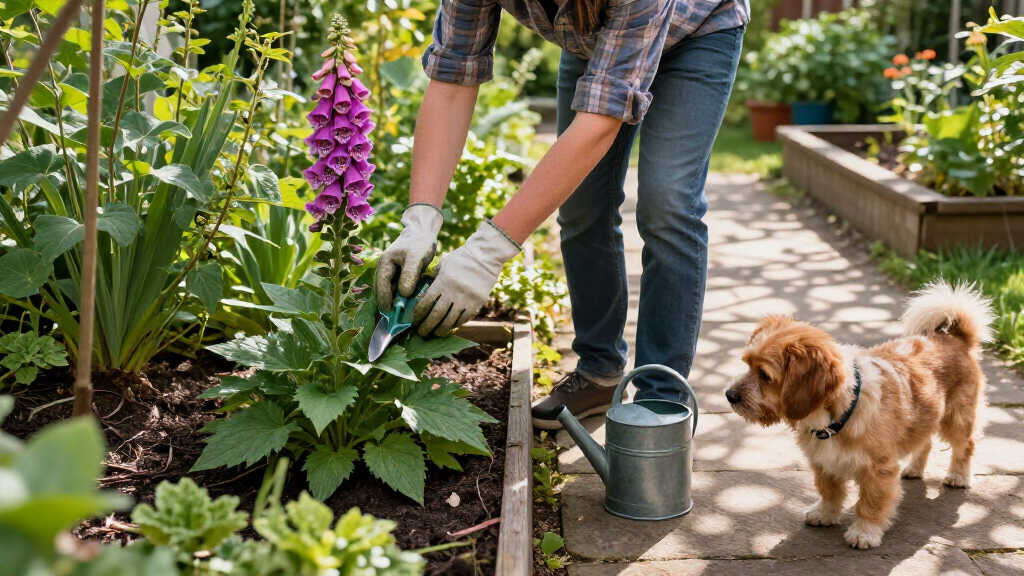
The report lists oleander, foxglove, yew, sago palm and castor bean among the hazards. It says oleander contains compounds that can interfere with heart function when ingested, while every part of foxglove is poisonous if eaten. Yew leaves and seeds contain toxic compounds, and castor bean seeds contain ricin, which the report says can be released when seeds are chewed or crushed. It cites the University of Georgia Extension’s classification of oleander and yew as major toxicity risks.
Three other entries are lilies, autumn crocus, and azaleas and rhododendrons. The report warns that true lilies and daylilies can cause acute kidney injury in cats, including after cats get pollen on their coats and ingest it while grooming. It says autumn crocus is toxic throughout the plant, while eating azalea or rhododendron material can cause illness and, in larger ingestions, problems such as abnormal heart rhythms or seizures. The source material’s headline promises nine plants, but its supplied text ends during the azalea and rhododendron entry and does not identify a ninth plant.
The suggested precautions include keeping plants, seeds and trimmings out of reach, clearing fallen material, using gloves when pruning or handling plants, and washing hands afterward. The report says not to burn oleander. It advises contacting a poison center after suspected human ingestion and a veterinarian or animal poison-control service if a pet may have eaten a toxic plant. For suspected lily exposure in cats, it advises immediate veterinary contact rather than waiting for symptoms.
Risks Depend on Who Is Exposed
The practical concern is that familiar ornamental plants may be within reach of children, dogs or cats, while the consequences and routes of exposure differ. The report singles out lilies because cats can be exposed to pollen while brushing against flowers and then grooming. Sago palm seeds are described as especially dangerous to dogs and cats, and the source warns that oleander clippings and fallen plant material can also pose a risk to animals.
The guidance does not say every potentially toxic plant must be removed. Instead, it emphasizes plant identification and access control: know what is growing, prevent chewing or handling where possible, and clear up seeds, leaves and pruning waste. Those steps can reduce avoidable exposure, but they do not replace professional advice after a suspected ingestion.
As an affiliate, we earn on qualifying purchases.
Familiar Ornamentals, Different Hazards
The report’s central point is that a garden’s appearance does not reliably signal whether a plant is safe. Foxglove is grown for its tall flowers, yew is widely used as a hedge, and lilies and azaleas are familiar ornamentals. Appearance and popularity do not establish safety; the relevant risk depends on the plant, the part involved and whether it is eaten or contacted.
Some warnings are specifically about animals, while others concern people as well. The source says UGA Extension classifies oleander and yew as major toxicity risks for pets, and it cites Poison Control regarding the danger of swallowing castor beans. These references support particular claims, but the supplied report does not give detailed dose information or discuss every possible exposure. Its advice is to seek case-specific help from medical or veterinary professionals.
“The important thing is knowing what you’re growing, understanding the risk and taking sensible precautions when planting, pruning or clearing it.”
— Amateur Gardening
The Source List Is Incomplete
The supplied source text names eight plant entries, not nine: it stops partway through its advice on azaleas and rhododendrons. The ninth plant and the remainder of that entry are not available here, so they cannot be reported from this material. The source also does not provide the article’s publication date, detailed exposure amounts, or a full account of symptoms for every plant.
Risk depends on the specific plant and exposure, and the source does not provide a complete medical or veterinary assessment. Its broad warnings should not be read as a diagnosis or as a substitute for urgent professional guidance after a suspected ingestion or exposure.
Identify Plants and Seek Advice
Gardeners can check plant labels and identify plants already growing in the garden, paying particular attention to areas accessible to children and pets. The report recommends clearing fallen seeds, leaves, flowers and cuttings, and keeping people and animals away from active pruning or removal work. It also advises wearing gloves when handling plants where recommended and washing hands afterward.
If a person may have swallowed a toxic plant, contact a poison center promptly. If a pet may have eaten one, contact a veterinarian or animal poison-control service; the report calls for immediate veterinary advice after possible lily exposure in cats. The missing ninth entry cannot be assessed unless the complete report is available.
Key Questions
Which plants does the supplied report identify?
It names oleander, foxglove, yew, sago palm, castor bean, lilies, autumn crocus, and azaleas and rhododendrons. Although the headline refers to nine plants, the provided text does not include a ninth entry.
Why does the report single out lilies for cat owners?
It says true lilies and daylilies can cause acute kidney injury in cats, and cats may ingest pollen while grooming. It advises contacting a veterinarian immediately after suspected exposure, without waiting for signs of illness.
Should gardeners remove every plant listed?
No. The report says removal is not necessary in every case and recommends identifying plants, keeping children and pets away from hazards, and clearing fallen plant material. The right precautions depend on the plant and who can access it.
What should I do if someone or a pet may have eaten one?
For suspected human ingestion, the report advises contacting a poison center. For a pet, contact a veterinarian or animal poison-control service. Follow professional advice rather than waiting for symptoms, especially after possible lily exposure in a cat.
Source: rss
Evergreen bestsellers Picks
bestsellers
As an affiliate, we earn on qualifying purchases.