TL;DR

Get garden gear delivered free with Prime
- Fast, free delivery on millions of items
- Prime Video, Amazon Music and more included
- Member-only deals all year
A Homes & Gardens report advises fruit-tree growers to clear fallen and dried fruit from trees and the ground in fall. Experts say infected fruit and leaves can harbor disease or pests through winter, though the report does not quantify how much cleanup improves next year’s harvest.
A Homes & Gardens report is urging fruit-tree growers to remove rotting fruit and diseased leaves in fall, saying infected material left on the ground or in the canopy can carry pests and pathogens through winter and put next season’s growth at risk. The advice, based on comments from fruit-tree specialists, applies to fallen fruit as well as dried fruit still attached to branches, often called fruit mummies.
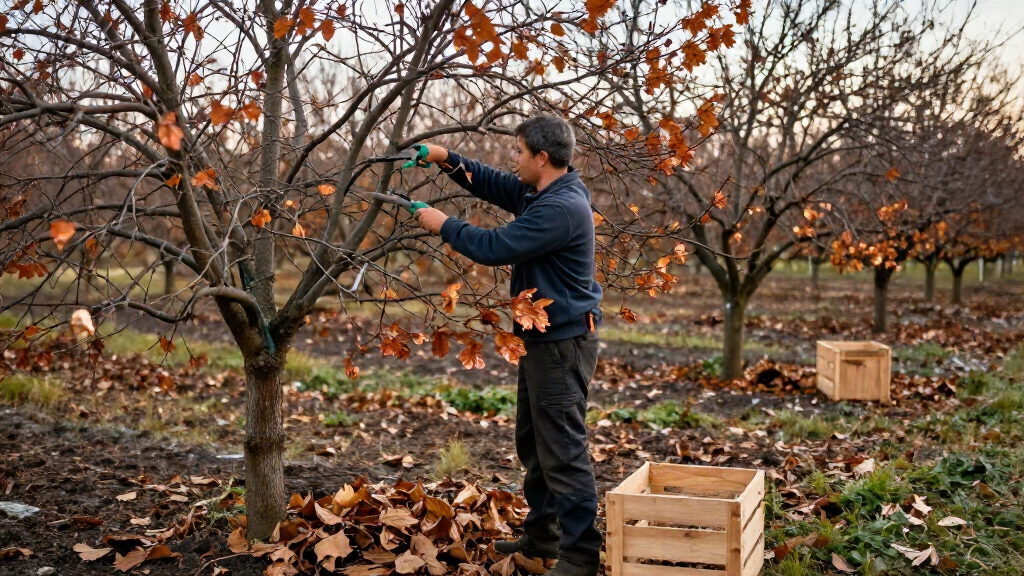
Fruit can fall because of natural thinning, wind, water stress, pests or disease, according to the report, and choosing self-pollinating fruit trees can help growers plan their orchard. It recommends collecting fallen fruit and leaves around the tree, then checking the canopy for fruit that has dried on the branches. Once leaves have dropped, mummies may be easier to spot against bare branches. A fruit picker or pole pruner can help remove fruit from higher limbs; growers should collect fruit that falls during the work.
The concern is that some diseases persist in infected material. Susan Poizner, founder of Orchard People, said fungi associated with brown rot in peaches can produce spores in spring from infected fruit left on the ground. Matt Bunch, a horticulturist with The Giving Grove, said mummified fruit may retain pests or disease organisms. The report also cites risks involving apple scab and black rot.
The report advises disposing of suspect fruit in the trash or using a municipal composting facility rather than putting it in a home compost pile. Poizner cautioned that pathogens and pests may survive if a household pile does not get hot enough. Bunch said an active compost pile needs to reach 140°F to kill most pathogens and diseases; reaching that temperature depends on factors including moisture, ingredient balance and regular turning.
Reducing Disease Risks Before Spring
Fall cleanup is a practical way to remove potential sources of infection before the next growing season. If diseased fruit or leaves remain near a tree, the report says some pathogens can persist over winter and return when conditions allow them to spread. Removing affected material may lower that risk, but the source does not provide trial data or quantify any effect on yields.
The advice also helps gardeners distinguish general cleanup from composting decisions. A home pile that does not reach the stated temperature may not reliably neutralize organisms in diseased fruit. For growers who are unsure whether their compost pile heats adequately, municipal composting or disposal is the safer option described in the report.
As an affiliate, we earn on qualifying purchases.
Why Fruit Mummies Matter
Fruit trees can experience disease during the growing season, with symptoms appearing on fruit or foliage. Some infected fruit drops; other fruit shrivels and remains attached. The report describes both as material that should be removed, rather than treating only the orchard floor as the source of concern.
The report also notes that fallen fruit is sometimes left to feed wildlife. It does not offer a wildlife-management plan or compare that practice with disease risks. Its central recommendation is to clear fruit and leaves showing signs of disease and avoid leaving mummies in the canopy. It separately mentions that tender fruit trees grown in pots may need a protected winter location, but that is a distinct seasonal task.
“If you leave the leaves and fruits on the ground, some diseases can overwinter and come back the following year. And sometimes they’ll come back with a vengeance.”
— Susan Poizner, fruit-tree expert and founder of Orchard People
Limits of the Available Evidence
The supplied report does not give a publication date, identify a specific outbreak or quantify how much fall cleanup changes disease levels or harvest size. The advice is expert guidance, not a reported result from a controlled study. It also does not specify how to identify every disease, or provide separate disposal rules for each fruit-tree species and local waste system.
The 140°F composting figure is attributed to Bunch as the temperature needed to kill most pathogens and diseases; the source does not state that every organism is eliminated at that temperature under all conditions. Gardeners dealing with a known disease problem may need local extension-service guidance on identification and disposal.
Fall Cleanup Before Winter
For the task described in the report, growers can collect fallen fruit and leaves, inspect branches for dried fruit, and dispose of suspect material rather than leaving it beneath the tree. If using compost, they can monitor whether the pile reaches the reported temperature and maintain the conditions needed for active composting. The report gives no formal deadline beyond carrying out the cleanup in fall.
Gardeners with container-grown tender trees should also watch nighttime temperatures and prepare a protected winter location, according to the report. No particular forecast, calendar date or follow-up study is provided, so the next step for individual growers depends on local weather, tree type and disease concerns.
Key Questions
What should I remove from around fruit trees in fall?
Remove fallen fruit and diseased leaves, and check branches for dried fruit mummies. Collect fruit knocked down during pruning or picking as well.
Why remove dried fruit still attached to branches?
Experts cited by the report say mummies can retain pests or disease organisms that may pose a risk in the next growing season. Removing them reduces that potential source of reinfection.
Can rotten fruit go in a home compost pile?
The report advises caution. It says pathogens or pests may survive in a pile that does not heat sufficiently, and cites 140°F as the temperature an active pile needs to reach to kill most pathogens and diseases. Municipal composting or disposal is recommended for suspect fruit.
Does fall cleanup guarantee a healthier or larger harvest?
No guarantee or yield increase is established in the supplied report. The experts describe cleanup as a way to reduce the risk of pests and disease carrying over; the report provides no measured harvest results.
Source: rss
Fall Picks
fall essentials
As an affiliate, we earn on qualifying purchases.