TL;DR

Get garden gear delivered free with Prime
- Fast, free delivery on millions of items
- Prime Video, Amazon Music and more included
- Member-only deals all year
Country Living has published a checklist of nine garden tasks to do before the first hard freeze, including harvesting frost-sensitive crops, draining hoses, and bringing outdoor houseplants inside. The advice is practical preparation, not a report of a specific freeze or a change in official guidance; local timing and plant hardiness affect what gardeners should do.
Country Living has published a nine-task checklist for gardeners preparing for the season’s first hard freeze, recommending steps such as harvesting tender vegetables, draining hoses, and protecting newly planted perennials. The guidance matters because freezing temperatures can damage frost-sensitive plants and water left in hoses or outdoor plumbing, though the right timing depends on local forecasts and garden conditions.
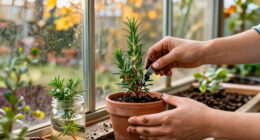
The list covers both plants and equipment. It advises picking remaining tender vegetables, including green tomatoes, beans, and lettuce, before a freeze. The report says green tomatoes can continue ripening indoors, while kale and Swiss chard are among the greens that can withstand frost and even a hard freeze. It also recommends harvesting frost-sensitive herbs such as basil and lemon balm, which may be damaged by freezing temperatures.
For outdoor water systems, the article recommends disconnecting and draining garden hoses, removing wand sprayers, and finding the home’s interior shutoff valve for outdoor spigots. Water that freezes in pipes can cause damage, the report says. Other suggested jobs include cutting late flowers to bring indoors, covering annuals if a brief early freeze is followed by milder weather, and bringing patio houseplants inside after checking them for pests.
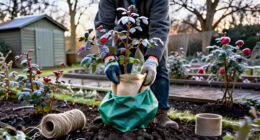
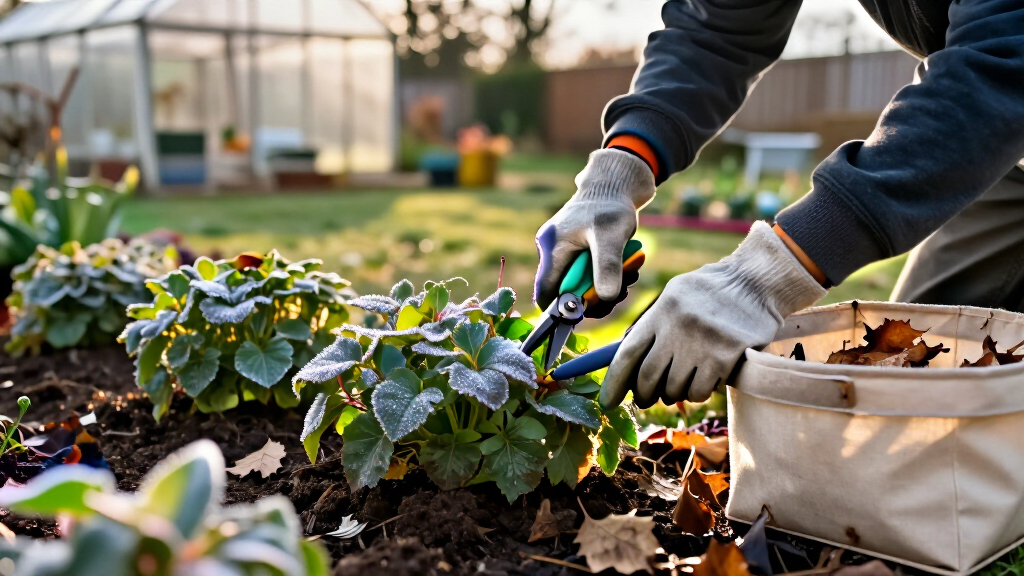
The remaining tasks focus on winter protection and record-keeping: apply a 2- to 3-inch layer of organic mulch around tender or newly planted perennials and shrubs; move fragile terra-cotta, porcelain, and ceramic containers to a sheltered place; and photograph the garden before frost changes its appearance. The source presents these as general recommendations, not as a guarantee that every plant requires the same treatment.
Protecting Plants and Outdoor Plumbing
Taking these steps can help reduce preventable winter damage. Draining hoses and addressing outdoor spigots can limit the risk of water freezing in equipment or pipes, while harvesting delicate crops preserves produce that might otherwise be lost to frost. Moving vulnerable pots under cover can also reduce their exposure to freeze-and-thaw conditions.
Plant protection is more variable. Covering annuals may extend their flowering if a cold night is temporary, while mulch can help insulate roots of new or tender plantings. These actions do not make plants immune to severe weather: species, soil, exposure, and local temperatures all affect what is appropriate. The checklist gives gardeners a prompt to prioritize vulnerable plants before temperatures fall.
garden hose disconnect and drain kit
As an affiliate, we earn on qualifying purchases.
As an affiliate, we earn on qualifying purchases.
A Checklist, Not a Local Forecast
The source is a Country Living gardening report titled “9 Garden Tasks to Do Before the First Hard Freeze.” It is an advice article organized around common seasonal preparations, rather than a report that a freeze has occurred or that one is forecast in a particular area. The supplied material does not identify a location, date for an expected freeze, or local weather authority.
Its recommendations distinguish between plants likely to be harmed by freezing and those described as more cold-tolerant. For example, it says basil and lemon balm are frost-sensitive, while rosemary and sage typically last later into the season. It also notes that some leafy greens, including kale and Swiss chard, can tolerate colder conditions. Gardeners should use the list alongside information for their own plants and climate.
““Before the first freeze, pick the rest of your produce.””
— Country Living report
Local Freeze Timing Varies
The report does not say when or where the first hard freeze will occur, and the supplied material includes no forecast or temperature threshold. It also does not provide a plant-by-plant hardiness guide or establish that every garden needs all nine tasks. Which plants need covering, whether tender crops remain outdoors, and how much protection containers need depend on local conditions and the plants involved.
The article’s recommendations are general gardening advice, not a guarantee against damage. Readers should check local weather forecasts and follow any care instructions specific to their plants and outdoor water systems.
Check Forecasts and Prepare
For gardeners, the next step is to check the local forecast and use the expected temperatures to decide which tasks to do first. Harvest vulnerable produce and herbs, drain hoses, and bring in patio plants before freezing conditions arrive; inspect houseplants for pests before placing them near indoor plants. Cover annuals only if conditions and the expected weather make that worthwhile.
After the first freeze, gardeners can assess plant damage and keep track of what survived. The source offers no later update or forecast, so the timing of any particular freeze remains dependent on local weather.
Key Questions
What should I do first before a hard freeze?
Start with tasks that prevent immediate losses: harvest frost-sensitive vegetables and herbs, disconnect and drain hoses, and bring vulnerable patio plants indoors. Check your local forecast to set the timing.
Do all vegetables need to be picked before frost?
No. Country Living says to harvest tender crops such as tomatoes, beans, and lettuce, while kale and Swiss chard can withstand frost and even a hard freeze. Plant variety and local conditions can affect results.
How should I prepare garden hoses and outdoor spigots?
The report recommends disconnecting and draining hoses, removing wand sprayers, and locating the home’s interior shutoff valve for outdoor spigots. Follow the instructions for your own plumbing system.
Which plants should be brought inside or covered?
Bring patio houseplants indoors and inspect them for pests first. The report suggests covering annuals such as begonias and petunias if an early freeze is expected to be followed by milder weather. Plant needs vary by species and climate.
Why mulch newly planted perennials and shrubs?
Country Living recommends a 2- to 3-inch layer of organic mulch to insulate roots and help reduce frost heave, when repeated freeze-and-thaw cycles can push plants upward. The advice is aimed at tender or recently planted specimens.
Source: rss
Halloween Picks
halloween
As an affiliate, we earn on qualifying purchases.