TL;DR

Get garden gear delivered free with Prime
- Fast, free delivery on millions of items
- Prime Video, Amazon Music and more included
- Member-only deals all year
Five self-pollinating fruit trees are recommended for planting this fall, each capable of producing abundant fruit from a single tree. This development offers gardeners a convenient way to start or expand home orchards without needing multiple trees for pollination.
Five varieties of self-pollinating fruit trees are recommended for planting this fall, providing gardeners with options that do not require multiple trees for pollination. Experts say these trees can produce abundant fruit from a single specimen, making them ideal for small orchards or urban gardens.
According to horticultural sources, the five self-pollinating fruit trees include Dwarf Apple, Self-Fertile Cherry, Self-Pollinating Peach, Self-Polinating Apricot, and Self-Seedless Fig. These varieties are noted for their ability to set fruit without cross-pollination, simplifying planting and maintenance efforts for home growers.
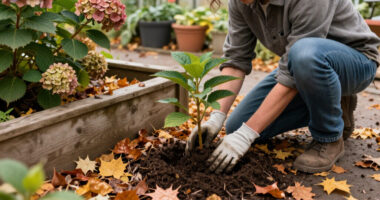
Gardeners are advised to plant these trees in the fall, ideally during the early to mid-season, to give them a head start before winter dormancy ends. Proper site selection, such as well-drained soil and full sun exposure, remains important for optimal growth and fruit production.
Industry experts highlight that these trees are particularly suitable for small spaces, urban gardens, or beginner gardeners, as they eliminate the need to plant multiple trees for successful pollination. Many of these varieties are also available in dwarf or semi-dwarf forms, making them easier to manage.
Why Self-Pollinating Trees Simplify Home Gardening
The ability to grow fruit trees that do not require a pollination partner reduces the complexity and cost of establishing a home orchard. This development makes fruit cultivation more accessible to urban dwellers and those with limited space, encouraging more people to grow their own fresh, healthy produce.
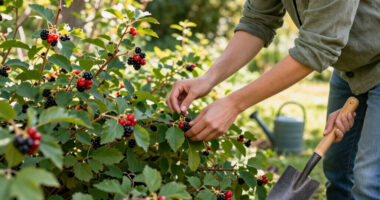
Additionally, self-pollinating trees tend to produce fruit more reliably, especially in areas where pollinator activity is limited. This can lead to higher yields and more consistent harvests, benefiting both amateur and experienced gardeners.
As an affiliate, we earn on qualifying purchases.
Background on Self-Pollinating Fruit Trees and Fall Planting
Traditionally, many fruit trees, such as apples and cherries, require cross-pollination from another tree to produce fruit. This has often necessitated planting multiple trees, which can be challenging for small gardens or urban settings. Recent horticultural developments, however, have introduced self-pollinating varieties that can set fruit independently.
The fall planting window is generally preferred because it allows the trees to establish roots before winter, leading to stronger growth and better fruiting in the following season. These advancements align with broader trends toward easier, more manageable home gardening practices.
While self-pollinating trees are not new, their increased availability and improved varieties have made them a popular choice for those looking to grow fruit with minimal effort and space.
Remaining Questions About Self-Pollinating Tree Varieties
While these five varieties are recommended for fall planting, it is not yet clear how they will perform in all climate zones or soil types. Long-term data on yield consistency and disease resistance are still emerging, and some gardeners report variability in fruit quality.
Additionally, availability may vary by region, and some nurseries may have limited stock of specific varieties. More research is needed to determine how these trees adapt to diverse growing conditions over multiple seasons.
Next Steps for Gardeners Considering Fall Planting
Gardeners interested in planting these self-pollinating trees should consult local nurseries for availability and specific planting guidelines. It is advisable to prepare planting sites in advance, ensuring proper soil drainage and sunlight exposure.
Monitoring the trees through their first growing season will help assess their performance and fruiting success. As these trees mature, further studies will shed light on their long-term productivity and resilience.
Extension services and horticultural associations may provide additional resources and support for those adopting these varieties in their home gardens.
Key Questions
Are self-pollinating fruit trees suitable for all climates?
Self-pollinating trees generally adapt well to a variety of climates, but their performance can vary based on local conditions. It is best to check with local nurseries or extension services for zone-specific advice.
Do self-pollinating trees produce as much fruit as cross-pollinating varieties?
Many self-pollinating trees can produce abundant fruit, often comparable to cross-pollinating types. However, yield can depend on the variety, growing conditions, and tree health.
Can I plant multiple self-pollinating trees together?
While not necessary, planting multiple trees can sometimes increase overall yield and fruit quality. However, a single self-pollinating tree will generally produce a good crop on its own.
What are the best practices for fall planting of fruit trees?
Choose a site with full sun and well-drained soil, prepare the planting hole in advance, and water thoroughly after planting. Mulching and proper pruning can support healthy growth through the first season.
Source: rss
Fall yard work Picks
leaf blowers
As an affiliate, we earn on qualifying purchases.