
The best garden border plants balance year-round structure, seasonal color, and low upkeep — and after comparing 12 popular options across those criteria, the Variegated Liriope Grass, 18-Pack earns the top spot for its tidy mounding habit, sun-and-shade flexibility, and instant coverage from live plants rather than seeds. Two other standouts: the Southern Living Obsession Nandina delivers premium evergreen structure with fiery foliage color, and the Willard & May bulb garden offers the fastest spring payoff for the lowest effort. The main tradeoff in this category is between instant results from live plants and budget-friendly seeds that demand patience and skill — seed packets like hostas and aubrieta cost little but can take a full season or more to fill in, while live plugs and shrubs cost more upfront but define a border immediately. Sun exposure, hardiness, and how much trimming you’re willing to do further narrow the field. Keep reading for the full breakdown of all 12 picks, including who each one suits and who should skip it.

Get garden gear delivered free — and shop member deals
- Fast, free delivery on millions of items
- Access to Prime Big Deal Days deals on October 6–7
- Prime Video, Amazon Music and more included
Complete the kit



Key Takeaways
- Live plants (liriope, nandina, plumbago, mums) consistently delivered faster, more reliable borders than seed packets, which dominated the budget end but demand germination patience and skill.
- Shade tolerance was the biggest differentiator: three separate hosta seed products filled the shade-border niche, while full-sun options like moss rose and aubrieta wilt in anything less than six hours of light.
- The Variegated Liriope 18-Pack won best overall because it is the only pick that tolerates both sun and shade, stays neatly mounded without shearing, and covers roughly 18 linear feet of border in one purchase.
- Evergreen structure came only from two picks — nandina and liriope — meaning gardeners who want winter interest should prioritize woody and grassy plants over flowering perennials and annuals.
- Several seed packs overlapped heavily (three hosta listings, two ground-cover types), so the ranking rewarded the versions with clearer germination info, larger counts, or more distinctive flower color.
| Willard & May Spring Flower Bulb Garden, 75 Mixed Tulip, Daffodil, and Hyacinth Bulbs |  | Best Instant-Impact Border Mix | Bulb count: 75 | Flower varieties: Tulips, daffodils, hyacinths | Planting period: September to December | VIEW LATEST PRICE | See Our Full Breakdown |
| Southern Living Obsession Nandina Shrub, 2 Gallon |  | Best Year-Round Structure | Container size: 2 gallons | USDA hardiness zones: 6–10 | Light requirements: Full sun to part shade | VIEW LATEST PRICE | See Our Full Breakdown |
| 210+ Hosta Seeds – Rare Perennial Flower Seeds for Shade Gardens |  | Best for Shady Borders | Quantity: 210+ seeds | Plant type: Perennial | Sunlight exposure: Partial shade | VIEW LATEST PRICE | See Our Full Breakdown |
| Hosta Seeds for Garden, 200 Pieces – Perennial Shade Plants, Ornamental Foliage for Borders, Patios, and Pots |  | Best Container and Patio Pick | Seed count: 200 | Plant type: Perennial | Sunlight exposure: Partial to full shade | VIEW LATEST PRICE | See Our Full Breakdown |
| 301+ Perennial Dianthus Seeds for Planting Outdoors |  | Best Fragrant Flowering Edge | Quantity: 301+ seeds | Plant type: Perennial dianthus | Flower type: Double, fringed, clove-scented | VIEW LATEST PRICE | See Our Full Breakdown |
| 2,000 Purple Aubrieta (Rock Cress) Flower Seeds |  | Best for Rock Gardens and Slopes | Seed Count: 2,000 | Plant Name: Aubrieta deltoidea (rock cress) | Flower Color: Purple | VIEW LATEST PRICE | See Our Full Breakdown |
| 308 Hosta Seeds for Planting, Perennial Shade Plants with Heart-Shaped Foliage |  | Best for Shady Borders | Quantity: 308 seeds | Plant Type: Perennial | Light Requirement: Partial to bright shade | VIEW LATEST PRICE | See Our Full Breakdown |
| Variegated Liriope Grass, 18-Pack |  | Best Instant Edging | Pack Size: 18 plants | Plant Type: Evergreen perennial | Common Name: Variegated Lilyturf | VIEW LATEST PRICE | See Our Full Breakdown |
| Ceratostigma plumbaginoides Live Plant Plug, Blue-Flowering Hardy Ground Cover |  | Best Late-Season Color | Plant Type: Hardy perennial ground cover | Scientific Name: Ceratostigma plumbaginoides | Quantity: 1 rooted starter plug | VIEW LATEST PRICE | See Our Full Breakdown |
| 15,000 Mix Moss Rose Heirloom Annual Flower Seeds – Portulaca Grandiflora |  | Best Value for Sunny Edging | Quantity: 15,000 seeds | Plant Type: Annual flowering ground cover | Botanical Name: Portulaca grandiflora | VIEW LATEST PRICE | See Our Full Breakdown |
| Creeping Phlox Seeds, 1,000+ Seeds, Purple Star-Shaped Flowers |  | Best Low-Growing Border Carpet | Seed quantity: 1,000+ | Plant type: Perennial | Height: 4–6 inches | VIEW LATEST PRICE | See Our Full Breakdown |
| 3 Mixed Mums Live Plants – Hardy Outdoor Flower Plant, 5-7 Inch Tall |  | Best Ready-to-Plant Border Color | Quantity: 3 starter plants | Plant height: 5–7 inches | Hardiness zones: USDA Zones 5–9 | VIEW LATEST PRICE | See Our Full Breakdown |
| garden border plant | Plant type | Sunlight exposure | USDA hardiness zones | Quantity |
|---|---|---|---|---|
| Willard & May Spring Flower Bu | — | — | 3–8 | — |
| Southern Living Obsession Nand | Live shrub | — | 6–10 | — |
| 210+ Hosta Seeds | Perennial | Partial shade | — | 210+ seeds |
| Hosta Seeds for Garden | Perennial | Partial to full shade | 3–9 | — |
| 301+ Perennial Dianthus Seeds | Perennial dianthus | — | 3–9 | 301+ seeds |
| 2,000 Purple Aubrieta | — | Full sun | 3–10 | — |
| 308 Hosta Seeds for Planting | Perennial | — | — | 308 seeds |
| Variegated Liriope Grass | Evergreen perennial | Partial sun; partial to full shade | 5–10 | — |
| Ceratostigma plumbaginoides Li | Hardy perennial ground cover | Partial sun | — | 1 rooted starter plug |
| 15,000 Mix Moss Rose Heirloom | Annual flowering ground cover | Full sun | — | 15,000 seeds |
| Creeping Phlox Seeds | Perennial | — | — | — |
| 3 Mixed Mums Live Plants | Hardy perennial | Full sun | — | 3 starter plants |
More Details on Our Top Picks
Willard & May Spring Flower Bulb Garden, 75 Mixed Tulip, Daffodil, and Hyacinth Bulbs
This 75-bulb kit stands out for buyers who want a full spring border in a single purchase, mixing tulips, daffodils, and hyacinths at staggered heights of 8 to 20 inches. Compared with seed-based options like the 301+ Perennial Dianthus Seeds, bulbs deliver a far more predictable first-season show — you plant in fall and get blooms without waiting through a slow germination phase. The described deer resistance gives it a practical advantage over tulip-only kits in suburban yards. The tradeoff is patience up front: nothing happens until the following spring, and bloom quality depends heavily on your soil and winter conditions. Still, for a bulk-planting border along a fence or walkway, this mix makes more sense than piecing together individual varieties.
Pros:- Three flower varieties with varied heights in one kit
- 75 bulbs suit mass planting along long borders
- Cold-hardy and described as deer-resistant
- Works in beds, borders, containers, and cut-flower displays
Cons:- Requires fall planting with no reward until the following spring
- Bloom timing and success vary with local growing conditions
Best for: Homeowners in zones 3–8 who want a mass-planted, colorful spring border from one fall planting session
Not ideal for: Gardeners in warm southern zones above 8, or anyone wanting border color this season rather than next spring
- Bulb count:75
- Flower varieties:Tulips, daffodils, hyacinths
- Planting period:September to December
- USDA hardiness zones:3–8
- Mature height:8–20 inches depending on variety
- Sunlight:Partial sun
- Special features:Deer-resistant, mixed colors
Our verdict“Buy this if you want the most border color per dollar of effort, as long as you can wait one winter for the payoff.”
Southern Living Obsession Nandina Shrub, 2 Gallon
While every other entry in this roundup starts from seed or bulb, this established 2-gallon shrub gives your border immediate structure and color from day one. Obsession Nandina earns its place with foliage interest across all four seasons — something no flower-based pick here can claim once blooming ends. Compared with the Variegated Liriope Grass, 18-Pack, it is a single statement plant rather than a repeated edging element, so it suits anchoring a border corner or mixing into a bed rather than lining a path. The tradeoff is real: it demands twice-weekly watering until established, and one plant covers far less linear footage than seed packets at a similar effort level. For zones 6–10 gardeners, though, it is the lowest-drama evergreen presence on this list.
Pros:- Season-long colorful foliage, not just a brief bloom window
- Tolerates full sun to part shade for flexible placement
- Genuinely low maintenance once established
- Arrives as a live plant with immediate visual impact
Cons:- Requires twice-weekly watering during the establishment period
- Covers far less border length than seed or bulb options
Best for: Warm-climate gardeners in zones 6–10 who want a low-maintenance shrub that keeps border interest through winter
Not ideal for: Cold-climate gardeners below zone 6, or anyone edging a long pathway on a budget — one shrub covers limited ground
- Container size:2 gallons
- USDA hardiness zones:6–10
- Light requirements:Full sun to part shade
- Watering:Twice weekly until established, then weekly
- Maintenance:Low
- Plant type:Live shrub
Our verdict“This is the pick for structure and winter presence in warm zones, not for inexpensive coverage of a long edge.”
210+ Hosta Seeds – Rare Perennial Flower Seeds for Shade Gardens
Most border plants on this list — the dianthus seeds, the moss rose mix — demand sun, which leaves shaded walkways and north-facing beds looking bare. This packet targets exactly that gap with rare blue-toned hostas that treat shade as a feature rather than a limitation. Once mature, the plants are drought-tolerant and pollinator-friendly, and the 210+ seed count lets you fill a long shaded border affordably. The honest tradeoff is time: seeds are slow and inconsistent to germinate, and hostas grown from seed can take a couple of seasons to reach border-filling size. Compared with buying mature hosta plants, you trade speed for quantity and price. For patient gardeners with a dim yard, no other entry in this roundup solves the shade problem as directly.
Pros:- One of the few border options that genuinely thrives in shade
- Drought-tolerant and low maintenance once established
- 210+ seeds cover a large border area cheaply
- Perennial growth returns annually and attracts pollinators
Cons:- Slow, inconsistent germination compared with mature plants
- Border may look sparse for the first season or two
- GMO-free seed does not guarantee germination success
Best for: Gardeners with shaded pathways or north-facing borders who want permanent, low-care foliage at a low per-plant cost
Not ideal for: Anyone wanting a finished border this season, or sunny-yard gardeners who would get better blooms from sun-loving picks
- Quantity:210+ seeds
- Plant type:Perennial
- Sunlight exposure:Partial shade
- Foliage color:Blue
- Special features:Low maintenance, drought tolerant, attracts pollinators
- Seed type:GMO-free
- Usage:Outdoor — borders, pathways, containers
Our verdict“Choose this for large shaded borders where patience beats paying for dozens of mature hostas.”
Hosta Seeds for Garden, 200 Pieces – Perennial Shade Plants, Ornamental Foliage for Borders, Patios, and Pots
Where the 210+ Rare Hosta Seeds aim at mass-planted shade borders, this 200-seed pack is better framed as a container and patio planter play. The listed instructions are unusually specific — plant a quarter-inch deep, keep soil consistently moist, avoid overwatering — which makes it the more approachable option for beginners growing in pots where moisture is easier to control than in open beds. It shares hosta virtues: shade tolerance, perennial return, and ornamental leaf patterns reaching about 24 inches. The tradeoffs mirror the seed route generally: germination is slow and uneven, and container-grown seedlings may need a full extra season to look full. If your border is really a row of patio pots rather than an in-ground bed, this pick makes more sense than the border-focused alternative.
Pros:- Well-suited to containers, patio planters, and pots
- Clear planting instructions make it beginner-friendly
- Thrives in partial to full shade across zones 3–9
- Perennial foliage returns yearly with minimal care
Cons:- Slow and inconsistent germination compared with mature plants
- Multiple seasons needed to reach full 24-inch size
- Requires consistently moist soil during germination
Best for: Patio and balcony gardeners who want shade-tolerant perennials in pots and planters, including gift-givers shopping for plant lovers
Not ideal for: Gardeners needing fast, uniform in-ground coverage, since seed-grown hostas fill in slowly and unevenly
- Seed count:200
- Plant type:Perennial
- Sunlight exposure:Partial to full shade
- USDA hardiness zones:3–9
- Expected height:24 inches
- Planting period:Early spring to late summer
- Soil needs:Well-draining, rich organic soil
- Seed treatment:Untreated
Our verdict“Pick this over the border-focused hosta pack if your ‘border’ lives in pots on a shaded patio.”
301+ Perennial Dianthus Seeds for Planting Outdoors
For a classic flowering front edge, this dianthus pack delivers what the foliage-focused hostas cannot: double, fringed blooms with a spicy clove fragrance from late spring through summer. The low-growing habit makes it a natural choice for the front of a border or along a walkway, where its scent and butterfly activity get noticed up close. Compared with the Creeping Phlox Seeds, dianthus adds fragrance and cutting-garden value rather than pure carpet color, though it asks more of the gardener in return. You will need full sun, sandy well-draining soil, and regular deadheading to keep the bloom run going — noticeably more upkeep than the drought-tolerant hosta entries. The generous 301+ seed count also lets you experiment with drifts and repeat plantings cheaply. It is the best pick here if fragrance matters as much as looks.
Pros:- Fragrant double flowers that suit cutting gardens
- Low-growing habit fits walkways and border fronts
- Perennial returns across multiple seasons
- 301+ heirloom, non-GMO seeds allow generous plantings
Cons:- Requires full sun and well-draining sandy soil
- Regular watering and deadheading needed for continuous bloom
Best for: Sunny-yard gardeners who want a fragrant, low-growing flowering edge along walkways and want stems for cutting
Not ideal for: Shaded or clay-soil yards, or gardeners who want a plant-it-and-forget-it border with no deadheading
- Quantity:301+ seeds
- Plant type:Perennial dianthus
- Flower type:Double, fringed, clove-scented
- Bloom period:Late spring through summer
- Sunlight:Full sun
- USDA hardiness zones:3–9
- Soil type:Sandy, well-draining
- Seed type:Non-GMO heirloom
Our verdict“This is the border pick for gardeners who want scent and cuttable blooms and don’t mind routine deadheading.”
2,000 Purple Aubrieta (Rock Cress) Flower Seeds
Aubrieta is the classic cascade plant, and this 2,000-seed packet gives you enough to blanket a serious slope, wall, or rock garden edge in purple. Compared with the Moss Rose seeds elsewhere in this lineup, Aubrieta is the perennial choice — it comes back in zones 3–10 rather than needing resowing each spring, which makes it the smarter long-term investment for a permanent border. The tradeoff is patience: germination takes 10–14 days in soil warmed to 60–65°F, and the plants sit at just 6 inches tall, so this is a spiller and filler, never a focal point. It also prefers sandy soil, so gardeners with heavy clay will need to amend before sowing.
Pros:- Perennial in zones 3–10, returning year after year unlike annual moss rose
- Drought tolerant and thrives in full sun
- Deer resistant and attracts pollinators
- 2,000 seeds cover large slopes and walls economically
Cons:- Needs 60–65°F soil and 10–14 days for germination, so timing matters
- Requires sandy soil and moderate watering despite drought tolerance
Best for: Gardeners edging rock gardens, retaining walls, or sunny slopes who want a permanent purple flowering carpet
Not ideal for: Anyone with dense clay soil or wanting tall, structural border plants — it tops out at 6 inches
- Seed Count:2,000
- Plant Name:Aubrieta deltoidea (rock cress)
- Flower Color:Purple
- Germination Time:10–14 days
- Expected Plant Height:6 inches
- Sunlight Exposure:Full sun
- USDA Hardiness Zones:3–10
- Blooming Period:Spring to summer
Our verdict“This pick makes the most sense for sunny rock gardens and slopes where a low, returning purple cascade is the goal.”
308 Hosta Seeds for Planting, Perennial Shade Plants with Heart-Shaped Foliage
Most flowering border plants on this list — Moss Rose, Aubrieta, Rock Cress — demand sun, which leaves shaded pathways out of luck. Hostas fill that gap: broad, heart-shaped foliage that gives a shaded border structure and texture where flowers simply won’t perform. Compared with the other hosta seed packs in this roundup, this 308-seed option stands out for its flexible sowing window (spring or fall, indoors or out). The honest tradeoff is that hostas grown from seed are a slow play — expect foliage-first plants, with pollinator-friendly flower spikes only on mature specimens, and germination that stalls if conditions run cool.
Pros:- One of the few border options that thrives in partial to bright shade
- Perennial foliage adds year-over-year structure to borders and containers
- Can be started indoors or sown directly in spring or fall
- Mature plants send up pollinator-friendly flower spikes
Cons:- Germination depends on consistently warm conditions
- Slow to reach mature size compared with live plants like the Liriope 18-pack
Best for: Gardeners with shaded pathway edges or north-facing borders who want permanent foliage structure
Not ideal for: Anyone wanting quick seasonal color — seed-grown hostas take seasons to reach mature size and won’t flower the first year
- Quantity:308 seeds
- Plant Type:Perennial
- Light Requirement:Partial to bright shade
- Germination Time:Typically 1–3 weeks under warm conditions
- Sowing Seasons:Spring or fall
- Soil:Well-drained
- Uses:Borders, pathway edges, containers, groundcover
Our verdict“This pick makes sense for shaded borders where sun-loving flower seeds would fail and foliage is the main event.”
Variegated Liriope Grass, 18-Pack
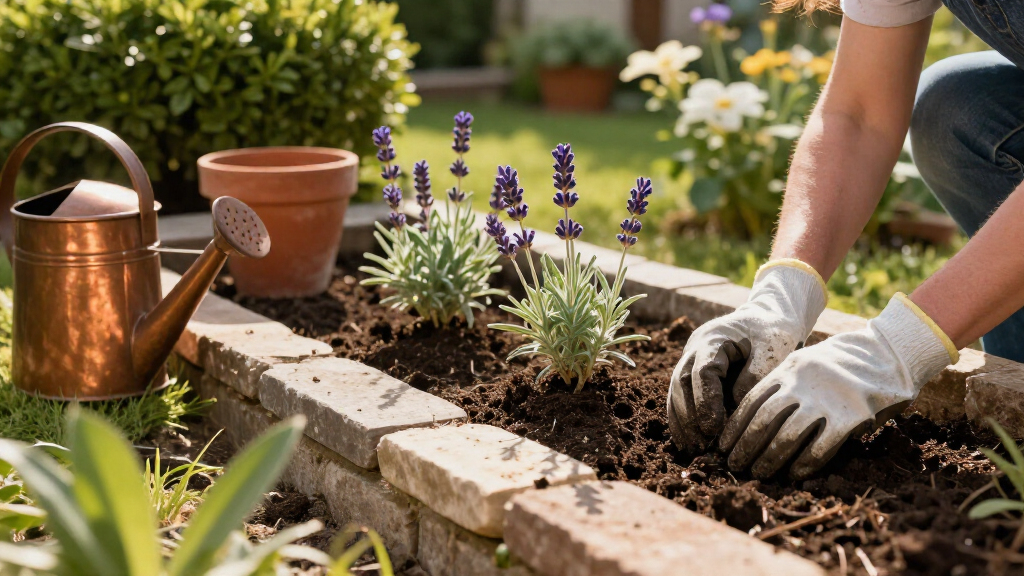
If the seed options here test your patience, this 18-pack of live variegated Liriope delivers a finished-looking border on day one. The green-and-white striped foliage reads as a neat, permanent edge from the moment it’s planted — something the Aubrieta or Moss Rose seeds can’t match for a full season or more. At 12–18 inches, it also occupies a middle height band between ground-hugging moss rose and taller shrubs like the Nandina, making it a natural front-of-border plant. It’s evergreen in zones 5–10, deer resistant, and drought tolerant once established. The catches: expect regular watering through the first growing season, and heavy or waterlogged soil invites root rot.
Pros:- Live plants create an instant, finished border with no germination wait
- Evergreen striped foliage keeps the edge defined through winter
- Deer resistant, drought tolerant, and low maintenance once established
- Versatile as edging, ground cover, accent, or container plant
Cons:- Needs consistent watering during the entire first growing season
- Prone to root rot in overwatered or poorly drained soil
Best for: Homeowners who want a crisp, permanent pathway or driveway edge without waiting for seeds to fill in
Not ideal for: Budget buyers covering long runs — 18 live plants cost far more per foot than seed, and soggy soil causes root rot
- Pack Size:18 plants
- Plant Type:Evergreen perennial
- Common Name:Variegated Lilyturf
- Height:12–18 inches
- Sunlight Exposure:Partial sun; partial to full shade
- USDA Hardiness Zones:5–10
- Blooming Period:Summer (purple flowers)
- Soil Moisture:Little to no water once established
Our verdict“This pick makes sense for anyone who values an immediate, tidy evergreen edge over the lower cost and slower payoff of seed.”
Ceratostigma plumbaginoides Live Plant Plug, Blue-Flowering Hardy Ground Cover
Most border plants in this guide peak in spring or early summer; Ceratostigma flips that schedule, producing electric blue flowers from late summer into fall exactly when everything else — including the Aubrieta — has finished. The bronze-red autumn foliage doubles the seasonal payoff, giving a border a second act that seed mixes can’t provide. As a spreading hardy perennial, it fills borders, slopes, and rock gardens with little fuss once established. The tradeoffs are real, though: you get a single starter plug, so covering a border means buying multiples or waiting seasons for it to spread, and the listing’s care details conflict on sunlight and soil, which means some trial and error.
Pros:- Electric blue blooms arrive late summer into fall, extending border color
- Autumn foliage shifts to bronze-red and burgundy for a second display
- Low-maintenance and drought tolerant once established
- Hardy perennial that returns and spreads on its own
Cons:- Only one rooted starter plug included, so coverage is slow and expensive per foot
- Listing care instructions conflict on sunlight and soil requirements
Best for: Gardeners who want their border to look alive in late summer and fall when other plants have faded
Not ideal for: Anyone filling a long border on a budget — one plug spreads slowly and covering even a few feet takes seasons
- Plant Type:Hardy perennial ground cover
- Scientific Name:Ceratostigma plumbaginoides
- Quantity:1 rooted starter plug
- Sunlight Exposure:Partial sun
- Flower Color:Electric blue
- Bloom Season:Late summer into fall
- Fall Foliage:Bronze-red and burgundy
Our verdict“This pick makes sense as a strategic accent for late-season color rather than a bulk solution for edging an entire bed.”
15,000 Mix Moss Rose Heirloom Annual Flower Seeds – Portulaca Grandiflora
On a pure cost-per-foot-of-color basis, nothing else in this roundup competes: 15,000 seeds with a 90%+ germination rate can edge an enormous sunny border in ruffled pink, yellow, red, and orange. Compared with the Aubrieta seeds, moss rose wins on speed, color variety, and sheer volume, though it loses on permanence — this is an annual, so cold-zone gardeners resow every spring. The succulent foliage genuinely thrives on neglect, needing minimal water in full sun, and blooms run from late spring straight through fall. Two honest frustrations: the seeds are dust-fine, making even sowing at a shallow 1/8 inch genuinely fiddly, and any shade at all turns the planting sparse.
Pros:- 15,000 seeds with 90%+ germination edge huge areas for very little money
- Drought tolerant and thrives on minimal watering
- Vivid double blooms in four colors from late spring through fall
- Includes a step-by-step growing guide
Cons:- Annual in most climates, requiring reseeding each year unlike Aubrieta or Liriope
- Dust-fine seeds are difficult to sow evenly at the required 1/8 inch depth
Best for: Budget-minded gardeners with long, sunny borders or walkways who want maximum color per dollar
Not ideal for: Gardeners wanting a permanent planting or anyone with shaded beds — it’s an annual and demands full sun
- Quantity:15,000 seeds
- Plant Type:Annual flowering ground cover
- Botanical Name:Portulaca grandiflora
- Plant Height:3–6 inches
- Spread:10–15 inches
- Sunlight Exposure:Full sun
- Blooming Period:Late spring to fall
- USDA Hardiness Zone:2–12 (grown as annual)
- Germination Rate:90%+
Our verdict“This pick makes the most sense for sunny, dry borders where maximum color per dollar outweighs having to resow each year.”
Creeping Phlox Seeds, 1,000+ Seeds, Purple Star-Shaped Flowers
Creeping phlox earns its spot here as the most effective way to build a flowering carpet along the front edge of a border. At just 4–6 inches tall, it sits lower than nearly everything else in this lineup — even the Ceratostigma plumbaginoides plug, which tops out taller — making it the better choice when you want blooms that don’t block the plants behind them. Unlike the Mixed Mums live plants, which arrive as three established starters, this is a seed-based project: expect cold stratification and a 14–21 day germination window before you see anything at all. The payoff is scale. With 1,000+ seeds, you can edge an entire path for far less than buying plugs by the unit.
The tradeoffs are real. This option demands full sun and sharp drainage, so shaded borders are better served by the Hosta seed packs. And patience is required — a dense, weed-suppressing mat takes a full season or two to fill in, whereas mums deliver visible impact the first fall.
Pros:- Forms a dense, weed-suppressing mat that crowds out border weeds
- Evergreen needle-like foliage keeps the border edge attractive year-round
- Drought tolerant once established, reducing summer watering
- 1,000+ seeds cover far more linear feet than plug or live-plant alternatives
Cons:- Seeds require 2–4 weeks of cold stratification for reliable germination
- Performs poorly without full sun and well-drained, sandy or gravelly soil
Best for: Full-sun gardeners who want to edge long borders or slopes cheaply and don’t mind a season of establishment time
Not ideal for: Anyone wanting instant results — seeds need stratification, slow germination, and a full season before the carpet fills in
- Seed quantity:1,000+
- Plant type:Perennial
- Height:4–6 inches
- Spread:18–24 inches
- Hardiness zones:4–8
- Sun requirements:Full sun (6+ hours daily)
- Germination time:14–21 days at 65–70°F
- Cold stratification:2–4 weeks
Our verdict“This pick makes the most sense for patient, full-sun gardeners edging large areas on a seed budget, not for anyone who wants a finished border this season.”
3 Mixed Mums Live Plants – Hardy Outdoor Flower Plant, 5-7 Inch Tall
If the Creeping Phlox seeds are the slow-burn project, these mixed mums are the opposite approach: live starter plants that root in and deliver fall color the same season. That immediacy is the whole argument. Compared with the seed options in this roundup — like the 2,000 Purple Aubrieta seeds — you skip stratification, germination trays, and months of bare soil, which makes this set far friendlier for beginners or anyone filling a gap before autumn. The Zones 5–9 hardiness range is genuinely broad, covering most of the country as a reliable perennial.
The catch is scale. Three 5–7 inch starters cover a small fraction of the border that 1,000 phlox seeds can, so this is an accent purchase, not an edging solution. Blooms also run in a 4–6 week window, so the display is seasonal rather than the evergreen year-round interest phlox or the Variegated Liriope Grass provide.
Pros:- Live plants skip germination entirely and establish the same season they’re planted
- Hardy across a wide Zones 5–9 range, suitable for most climates
- 4–6 week bloom period delivers a concentrated burst of late-season border color
- Mixed varieties add color variety without planning a planting scheme
Cons:- Arrive small (5–7 inches) as starters and need a full season to reach mature size
- Only three plants — poor coverage for edging anything beyond a short bed section
Best for: Beginners and time-pressed gardeners who want live plants that establish quickly and bloom the first fall
Not ideal for: Gardeners edging long beds on a budget — three small starters can’t cover the footage that seed packs offer
- Quantity:3 starter plants
- Plant height:5–7 inches
- Hardiness zones:USDA Zones 5–9
- Sunlight exposure:Full sun
- Bloom duration:4–6 weeks
- Plant type:Hardy perennial
Our verdict“This set suits gardeners who value instant gratification and fall blooms over coverage, and it’s a pass for anyone edging more than a few feet of border.”

How We Picked
I judged every option through one lens: how well does it define a garden border? That meant scoring each product on five buyer-relevant factors: border performance (does it form a neat edge, mound, or mat rather than sprawling into the lawn), speed to a finished look (live plants versus seeds that may need a season to mature), light and climate flexibility, maintenance burden (deadheading, dividing, shearing), and value per linear foot of border. Where a product was excellent as a general garden plant but mediocre as an edging plant — tall tulips or sprawling portulaca, for example — that counted against it.
The ranking logic is straightforward: versatile live plants that fill in fast sit at the top, specialist picks (shade-only, sun-only, seasonal-only) occupy the middle, and seed packets with slow or fussy germination land lower despite their low cost. I also penalized redundancy — with three near-identical hosta seed listings, only the version offering the best seed count and foliage description ranks highly, while the others serve as alternatives rather than primary picks. Every entry includes a real drawback, because no border plant is right for every yard.
| garden border plant | Sunlight exposure |
|---|---|
| Willard & May Spring Flower Bu | — |
| Southern Living Obsession Nand | — |
| 210+ Hosta Seeds | Partial shade |
| Hosta Seeds for Garden | Partial to full shade |
| 301+ Perennial Dianthus Seeds | — |
| 2,000 Purple Aubrieta | Full sun |
| 308 Hosta Seeds for Planting | — |
| Variegated Liriope Grass | Partial sun; partial to full shade |
| Ceratostigma plumbaginoides Li | Partial sun |
| 15,000 Mix Moss Rose Heirloom | Full sun |
| Creeping Phlox Seeds | — |
| 3 Mixed Mums Live Plants | Full sun |
Factors to Consider When Choosing Best Garden Border Plants
Choosing border plants is less about picking the prettiest flower and more about matching plant behavior to the job of edging a bed. Before buying any of the twelve options above, work through these six factors — they explain why some picks will thrive in your yard and others will disappoint.Match the Plant to Your Light, Not Your Wishlist
The single most common border-planting mistake is buying for flower color while ignoring sun exposure. Hostas, the shade champions in this lineup, will scorch and bleach along a south-facing edge, while moss rose and aubrieta grown in part shade will produce sparse, floppy growth with almost no blooms. Spend one weekend actually tracking your border’s light before ordering: six-plus hours means full-sun plants, four to six suits liriope and plumbago, and under four hours calls for hostas or other foliage plants. Also remember that light changes seasonally — a border that’s sunny in April may be shaded by deciduous canopy in July, which is why flexible plants like liriope are safer bets than specialists.
Decide Between Instant Impact and Budget Patience
Live plants and seeds solve different problems, and confusing them causes most border disappointments. An 18-pack of liriope or a 2-gallon nandina defines an edge the day it goes in the ground, but the cost per plant is many times higher than seed. Seed packets of dianthus, creeping phlox, or aubrieta can fill a long border for very little money, but expect germination failure, thin first-year growth, and blooms that often don’t arrive until year two. A practical compromise many gardeners use: buy live plants for the front edge where structure matters most, and sow seed behind them for drifts of color where gaps are forgivable.
Know Your Hardiness Zone Before Ordering Live Plants
Live plants are a bigger climate gamble than seeds because you’re paying for mature tissue that can be killed by one bad winter. Nandina, for instance, is a reliable evergreen in warm zones but can defoliate or die back where winters are harsh, and plumbago behaves as a perennial only within its hardiness range. Check your USDA zone first, then check whether the seller lists the plant’s range — vague listings are a warning sign. Also factor in shipping season: live plants shipped during a heat wave or freeze often arrive stressed, so time your order to spring or fall planting windows in your region.
Front-of-Border Height and Spread Discipline
A border plant’s job is to edge, not to overwhelm, and mature size matters more than the size at purchase. That cute 5–7 inch mum can reach two feet wide and swallow smaller neighbors, while rock cress and creeping phlox stay low mats ideal for the front line. Tulips and hyacinths create a spectacular April show but leave behind dying foliage that looks ragged for six weeks — a real problem at eye level along a border. Plan in layers: low mats or grasses at the very edge, mounding plants like dianthus or hostas behind them, and taller bulbs or shrubs at the back of the bed.
Maintenance Reality Check
Be honest about how much grooming you’ll actually do, because borders are the most-viewed part of a garden and neglect shows immediately. Liriope needs one annual cutback; mums want pinching until midsummer and dividing every few years; dianthus wants deadheading to rebloom; and seed-grown mats need weeding until they knit together. Evergreen structure plants like nandina are the lowest-effort option in this lineup, needing almost nothing once established. If your answer to “will you deadhead weekly?” is no, lean toward foliage-driven plants rather than repeat bloomers.
Plan for Winter Interest or Accept a Bare Season
Most flowering border plants — tulips, mums, portulaca, dianthus — vanish or turn to stubble in winter, leaving the bed shapeless for months. If your border is visible from the street or living room window, mixing in one evergreen or semi-evergreen element changes the entire seasonal read of the garden. Liriope holds its striped blades through most winters, and nandina keeps its fiery foliage year-round in mild zones. A good rule: aim for at least one-third evergreen or structural plants along any border you’ll see in January, then fill the remaining space with seasonal color.
Frequently Asked Questions
Are seed packets really cheaper than live plants for a long border?
Per plant, yes — but only if germination goes well. A packet of 300 hosta or 1,000 phlox seeds costs far less than a single live shrub, yet real-world germination rates for ornamental seeds often run well below 50%, and hosta seedlings can take two to three years to reach border-worthy size. That means the true cost of a seed-filled border includes lost seasons and reseeding. For borders under 20 feet, live plants usually win on total value; for very long drifts or mass plantings where a patchy first year is acceptable, seeds earn their keep. Many gardeners get the best result by combining both approaches along the same edge.
Which of these options work in full shade?
Genuinely shade-tolerant picks in this lineup are the three hosta seed products and, to a lesser degree, the variegated liriope, which holds its color in part shade though it flowers best with some sun. Everything else — nandina, aubrieta, moss rose, dianthus, phlox, plumbago, bulbs, and mums — needs at least a half day of direct light to perform. If your border runs along a north wall or under trees, hostas are the clear choice, and buying seed lets you fill a long shaded stretch affordably since hostas are slow but reliable from seed. Just avoid the temptation to “try” sun plants in shade; they’ll survive but flower poorly and stretch into unattractive shapes.
What’s the lowest-maintenance border plant in this roundup?
The variegated liriope and the nandina shrub are the two clear winners, and they’re low-effort in different ways. Liriope needs one shearing in late winter and average watering, then looks tidy all season in sun or shade. Nandina needs essentially nothing once established — no pruning, no deadheading, and it keeps its color year-round in warm zones. By contrast, mums require pinching and dividing, dianthus needs deadheading to rebloom, and bulbs leave messy fading foliage you must leave in place to feed next year’s bloom. If your goal is plant-and-forget edging, those two picks justify their higher price per plant.
Can I mix bulbs and perennial borders together?
Yes, and it’s one of the smartest border strategies — with one design caveat. Tulips, daffodils, and hyacinths bloom in early spring before most perennials fill in, giving you color in the weeks when hostas, liriope, and phlox are still waking up. The trick is planting bulbs behind or between perennial mounds so that the perennials’ expanding foliage hides the bulbs’ dying leaves in late spring, which you should never cut off early because they fuel next year’s flowers. Daffodils are the better long-term companion since they naturalize and are deer-resistant, while hybrid tulips often fade after a couple of years. Position bulbs toward the middle or back of the border so the ragged weeks are less visible.
Do mums come back every year when planted along a border?
It depends on the type you buy and how you plant them. Florist mums — the kind sold in full bloom as decorations — are frequently not hardy and behave as annuals, while garden mums sold as hardy outdoor plants can overwinter in zones 5 through 9 if planted in spring rather than fall. Fall-planted mums rarely root deeply enough before frost, which is why so many gardeners are disappointed the following year. For a reliable perennial border, give mums spring planting, well-drained soil, pinching until July, and division every two to three years. If you want a permanent edge without that care routine, liriope or hostas are safer structural choices, with mums layered in as autumn accents.
Conclusion
After comparing all twelve options, the right pick comes down to what kind of border you’re building. For the best overall choice, the Variegated Liriope 18-Pack is hard to beat: it tolerates sun and shade, holds a neat edge with minimal care, and delivers instant structure across a long run of border. The best value pick is the Willard & May bulb garden, which packs 75 bulbs of spring color into one inexpensive purchase — ideal if you can accept a single spectacular season followed by seasonal dieback. At the premium end, the Southern Living Obsession Nandina buys you year-round evergreen structure and vivid foliage color that no seed packet can match, making it the pick for a front-yard border that must look finished in every season.
Beginners should start with live plants — the liriope pack or the hardy mum trio — because they forgive timing and watering mistakes that seed packets won’t. Gardeners with deep shade borders should choose the 301+ hosta seed pack over the competing hosta listings for its larger count and clear foliage description, while sunny, dry borders along walkways suit the aubrieta or moss rose seed packs. If you want a low flowering ground cover that feeds pollinators late in the season, the plumbago plug is the specialist’s choice. Whatever you choose, match the plant to your light, decide up front whether you’re buying speed or savings, and your border will look intentional from the first season.
Fall yard work Picks
leaf blowers
As an affiliate, we earn on qualifying purchases.