
When choosing between polycarbonate and glass, you should consider impact resistance, safety, and environmental impact. Polycarbonate is lightweight, shatterproof, and great for impact-prone applications but can scratch easily and may release harmful chemicals under certain conditions. Glass offers clarity, durability, and recyclability but shatters more easily and requires careful handling. If you want to make an informed choice that balances style, safety, and sustainability, there’s more you need to know.
Key Takeaways
- Polycarbonate is highly impact-resistant and shatterproof, while glass is brittle and prone to shattering under impact.
- Glass offers superior clarity and a traditional aesthetic, but is more fragile and prone to breakage.
- Polycarbonate may scratch easily and can release BPA when exposed to heat, raising safety and durability concerns.
- Glass is more environmentally friendly with easier, endless recycling; polycarbonate recycling is limited and less sustainable.
- Cost-wise, polycarbonate is cheaper upfront but may require more frequent replacement; glass is more expensive but lasts longer.
What Are Polycarbonate and Glass? An Overview

Have you ever wondered what makes polycarbonate and glass different? Historically, glass has been used for centuries, admired for its clarity and timeless aesthetic appeal. It’s elegant, transparent, and offers a classic look that never goes out of style. Polycarbonate, on the other hand, is a more modern material, developed in the 20th century to meet new durability demands. Its sleek, lightweight appearance appeals to contemporary designs, especially where safety and versatility matter. While glass is valued for its traditional beauty and ability to showcase contents clearly, polycarbonate provides a more practical, resilient alternative with a modern aesthetic. Additionally, contrast ratio plays a significant role in how materials like polycarbonate and glass are perceived in various applications, impacting their visual clarity and overall quality. Understanding these historical trends and aesthetic qualities helps you choose the right material for your needs, whether prioritizing timeless elegance or innovative durability. Moreover, considering factors like material properties can guide you toward making a more informed decision based on your specific requirements. Recognizing the application needs can further refine your choice between these two versatile materials, especially when considering their cost-effectiveness and long-term performance. Furthermore, knowing the environmental impact of each material can help in making sustainable choices aligned with eco-conscious values.
Polycarbonate vs. Glass Durability: Which Lasts Longer?

While glass offers timeless beauty and clarity, its durability can be be a concern in everyday use. Glass tends to be more prone to shattering or cracking under impact, which might lead to costly replacements. Polycarbonate, on the other hand, is highly resistant to impact and scratches, making it more durable in busy environments. Proper water damage prevention can also extend the lifespan of these materials by protecting them from moisture-related deterioration. Additionally, understanding the material properties of each can guide buyers in making more informed choices based on their specific needs. For example, knowledge of material composition can help identify which material is better suited for particular applications and environments. Recognizing nail biology can also provide insights into how different materials interact with various surfaces and exposures over time.
Safety Risks of Polycarbonate and Glass

You should consider how impact resistance affects safety, as glass can shatter easily, while polycarbonate may crack under stress. Chemical leaching is another concern, especially if polycarbonate containers are exposed to heat or sunlight, potentially releasing harmful substances. Understanding these risks helps you choose safer options for your needs. Additionally, being aware of the key traits of quality assurance can help ensure that the products you select meet safety standards and are thoroughly tested before reaching consumers. Regularly verifying the regulatory compliance of these materials can further reduce safety risks and ensure durability over time. Incorporating material testing procedures into your selection process can provide added confidence in the safety and longevity of your containers. Recognizing the importance of economic principles, such as opportunity cost, can also guide you in making more informed and cost-effective choices between materials. Evaluating the impact of material durability can lead to better long-term investment decisions.
Impact Resistance and Breakage
Polycarbonate and glass differ markedly in how they respond to impact, which directly affects safety risks. Polycarbonate is highly impact-resistant, making it less likely to shatter and pose injury risks, but it can develop a scratched surface over time that impacts aesthetic appeal. Glass, on the other hand, is more brittle and prone to breakage, often shattering into sharp shards that can cause injuries. Consider these points:
- Polycarbonate withstands strong impacts without breaking, reducing injury risks.
- Glass is more susceptible to breakage, increasing safety concerns if shattered.
- Scratched surfaces on polycarbonate may diminish aesthetic appeal but don’t compromise impact resistance.
- The impact resistance properties of polycarbonate make it a safer choice for environments where safety is a top priority. Additionally, material durability plays a crucial role in long-term safety performance. Proper maintenance and understanding the material properties help ensure safety and longevity.
Understanding these differences helps you choose materials that align with your safety priorities and desired look.
Toxicity and Chemical Leaching
Although both polycarbonate and glass are commonly used in containers and household items, their safety profiles differ because of potential chemical leaching. Polycarbonate’s chemical stability can be compromised when exposed to heat or acidic substances, raising toxicity concerns. It may release bisphenol A (BPA), a chemical linked to hormonal disruptions. Glass, on the other hand, is inert and unlikely to leach harmful substances, making it a safer choice for long-term use. However, if glass cracks or chips, it can pose physical safety risks. While glass generally offers a more stable, non-toxic environment, polycarbonate’s leaching potential means you should consider its chemical stability carefully, especially for storing food or beverages over time. Your choice impacts safety, especially concerning chemical exposure. chemical leaching is an important factor to consider when choosing storage materials for health safety.
Cost and Maintenance of Polycarbonate and Glass
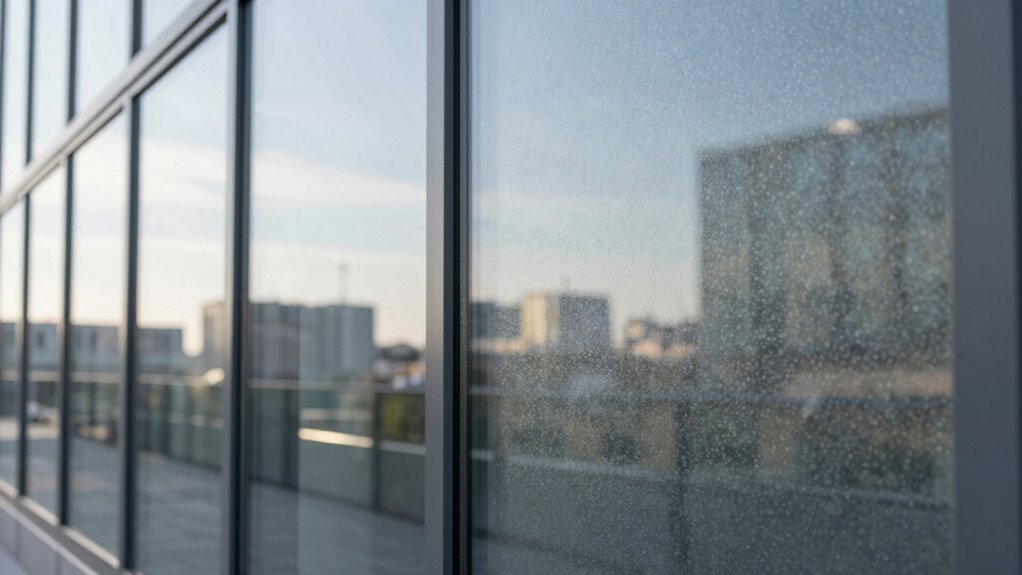
When comparing the cost and maintenance of polycarbonate and glass, it’s important to take into account both upfront expenses and long-term durability. Polycarbonate often costs less initially but may require replacement sooner, impacting your budget over time. Glass, while more expensive upfront, offers greater longevity with minimal maintenance. Consider these points:
- Aesthetic appeal: Glass provides a sleek, high-end look, enhancing branding opportunities.
- Maintenance: Polycarbonate resists impact but can scratch easily, needing regular cleaning; glass is easier to clean but more prone to shattering. Proper cleaning techniques can also extend the lifespan of each material.
- Durability costs: Glass’s durability reduces long-term replacement expenses, whereas polycarbonate’s lower initial cost might add up with repairs or replacements.
- Understanding the material properties of each option can help you make a more informed decision based on your specific needs. Staying informed about material durability can help in planning maintenance schedules and budgeting effectively.
Choosing wisely depends on your priorities for aesthetics, branding, and ongoing maintenance costs.
Environmental Impact of Polycarbonate and Glass
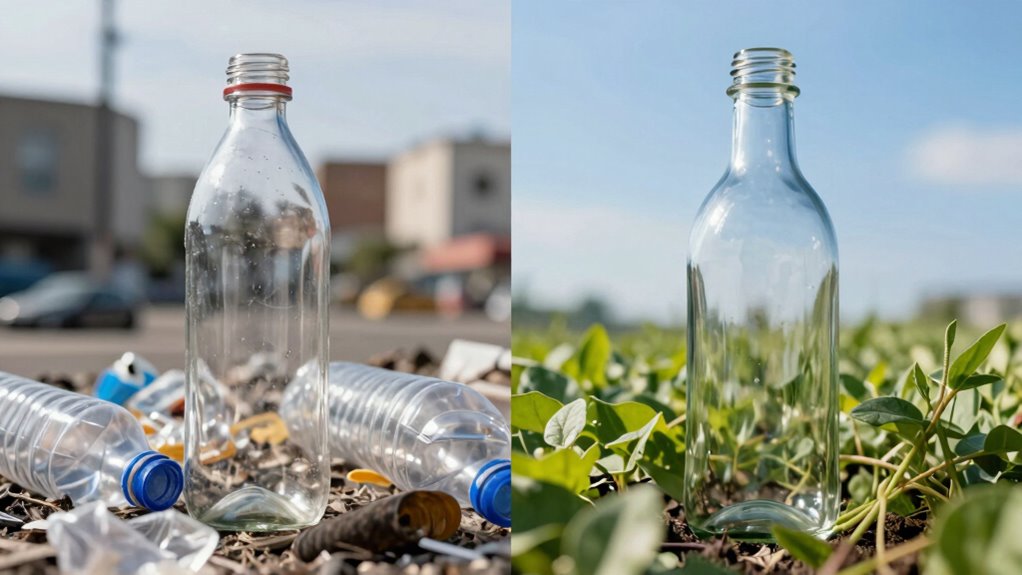
You might notice that recycling polycarbonate can be tricky, but there are opportunities to improve its sustainability. Glass, on the other hand, is easier to recycle but requires more energy to produce and process. Considering the carbon footprint of each material helps you understand their true environmental impact. Additionally, understanding bank SWIFT/BIC codes can help facilitate secure and transparent financial transactions related to sustainable initiatives. Being aware of indoor air quality gear options can further enhance the overall environmental benefits of your choices. Recognizing the importance of material recyclability can guide better decision-making for eco-friendly material selection, especially as advancements in body-based healing techniques promote sustainable practices in health and wellness industries. Moreover, evaluating the environmental impact of materials can lead to more informed choices that benefit both the planet and your health.
Recycling Challenges and Opportunities
Recycling polycarbonate and glass presents distinct challenges and opportunities that considerably impact their environmental footprints. For polycarbonate, limited recycling infrastructure hampers material reuse, often leading to disposal issues. Conversely, glass benefits from widespread recycling facilities, making reuse more feasible. To navigate these challenges, consider these key points:
- Recycling infrastructure: Glass recycling is more established, while polycarbonate recycling remains specialized and less accessible.
- Material reuse: Glass can often be recycled endlessly without quality loss, unlike polycarbonate, which may degrade over multiple cycles.
- Environmental impact: Improving recycling processes for polycarbonate can reduce waste and conserve resources, but current limitations hinder widespread adoption.
Understanding these factors helps you evaluate the true environmental costs of each material.
Carbon Footprint Comparison
Have you ever wondered which material leaves a smaller carbon footprint: polycarbonate or glass? The answer depends on several factors, including manufacturing emissions and recycling efficiency. Polycarbonate generally requires less energy to produce, resulting in lower manufacturing emissions compared to glass. However, its recycling efficiency can be lower, especially if not properly processed, which may extend its environmental impact. Glass, on the other hand, is highly recyclable and can be remelted repeatedly with minimal quality loss, reducing its overall carbon footprint over time. But the energy-intensive manufacturing process for glass results in higher initial emissions. Ultimately, if you prioritize energy efficiency during production and effective recycling, polycarbonate might have a smaller carbon footprint. Still, the full environmental impact depends on how each material is disposed of and recycled.
When to Use Polycarbonate or Glass
Deciding between polycarbonate and glass depends on the specific application and your priorities. If aesthetics matter and you want a modern look, polycarbonate offers a sleek, lightweight option. For applications demanding high temperature resistance, glass is better suited, especially in hot environments. Consider these scenarios:
Choosing between polycarbonate and glass depends on aesthetics, temperature needs, and durability considerations.
- Display cases or retail storefronts: Choose glass for superior aesthetic appeal and clarity.
- Protective barriers or safety shields: Opt for polycarbonate due to its impact resistance and durability.
- High-temperature environments: Use glass where heat resistance is essential to prevent deformation or damage.
Your choice hinges on balancing aesthetic appeal, temperature resistance, and durability. If you need lightweight, shatterproof material, go with polycarbonate. For classic, heat-resistant surfaces, glass is the way to go.
Common Mistakes When Choosing Bottle Materials

Choosing the wrong bottle material can lead to problems like poor durability, safety risks, or product degradation. One common mistake is neglecting design aesthetics, which can impact how your product appeals to customers. A bottle that looks outdated or mismatched with your branding can harm brand perception and reduce sales. Another mistake is choosing a material solely based on cost without taking into account long-term value or safety standards. For example, opting for cheaper options might save money initially but could result in breakage or contamination issues later. Failing to consider how the material complements your brand image can also backfire, making your product less attractive on shelves. Always evaluate both functional and visual aspects when selecting your bottle material to avoid these costly errors.
How to Decide Between Polycarbonate and Glass
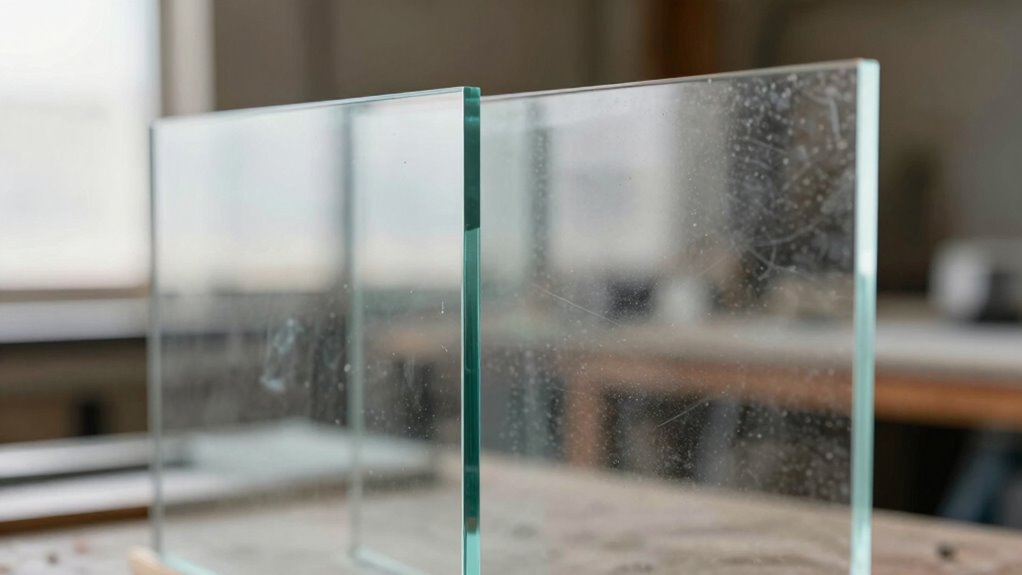
When weighing your options between polycarbonate and glass, the key is to assess your specific needs and priorities. Consider how fashion trends influence your decision—if sleek, modern designs matter, polycarbonate offers versatility. Historical uses also matter; glass has long been favored for its elegance and tradition. To decide, think about:
Choose polycarbonate for modern versatility or glass for timeless elegance based on your style and safety needs.
- Durability: Polycarbonate resists impact, ideal for active environments.
- Aesthetics: Glass provides a classic, high-end look favored historically.
- Safety & Maintenance: Polycarbonate is shatterproof and easier to clean, fitting for high-traffic or casual settings.
Your choice depends on whether you prioritize style and tradition or practicality and safety. Evaluating these factors helps you pick the material best suited to your lifestyle and preferences.
Frequently Asked Questions
How Do Polycarbonate and Glass Perform in Extreme Temperatures?
Polycarbonate handles extreme temperatures better than glass, showcasing superior temperature resilience. It resists cracking or breaking under rapid temperature changes, making it more durable in harsh conditions. Glass, on the other hand, is more prone to shattering with temperature fluctuations, reducing its material durability in extreme environments. If you need a material that withstands high or low temperatures reliably, polycarbonate is the smarter choice for long-term resilience.
Can Polycarbonate Degrade Over Time With UV Exposure?
Yes, polycarbonate can degrade over time with UV exposure. UV degradation causes discoloration, loss of strength, and surface cracking, which diminishes clarity and durability. You might also notice chemical leaching, especially if exposed to harsh environments, leading to potential health concerns. To prevent these issues, make certain your polycarbonate has UV coatings or treatments, and regularly maintain it to extend its lifespan and preserve its transparency and integrity.
Are There Any Health Concerns With Chemicals in Polycarbonate?
You should be aware that polycarbonate can pose health concerns due to chemical leaching, especially BPA. BPA is a chemical linked to hormonal disruptions, and some polycarbonate products may release it over time, particularly when exposed to heat or sunlight. If you’re concerned about chemical exposure, consider opting for glass, which doesn’t contain BPA and is generally safer for food and beverage storage.
How Do Polycarbonate and Glass Impact Product Shelf Life?
Polycarbonate and glass are like sturdy guardians, each impacting your product’s shelf life differently. Polycarbonate offers excellent impact resistance and chemical stability, helping preserve contents longer, especially in rough environments. Glass, while chemically stable, can crack or break more easily, risking contamination or spoilage. Your choice influences durability and shelf life, with polycarbonate generally providing a more resilient shield, ensuring your products stay fresh and safe longer.
What Are the Recycling Options for Polycarbonate Versus Glass?
You can recycle glass through many local recycling programs, which often turn it into new bottles or containers, reducing environmental impact. Polycarbonate, however, has limited recycling options because it’s plastic-based and may contain chemicals like BPA. While some specialized facilities can process polycarbonate, it’s less widely accepted, meaning its environmental impact is higher if not correctly recycled. Always check local guidelines to guarantee proper disposal.
Conclusion
Choosing between polycarbonate and glass isn’t just about cost or durability—it’s about understanding what truly suits your needs. Don’t fall for the myth that one material is always better; instead, weigh safety, environmental impact, and practicality. Remember, the real truth lies in matching your priorities with each material’s strengths. Sometimes, the best choice isn’t the obvious one, but the one that aligns with your values and lifestyle.