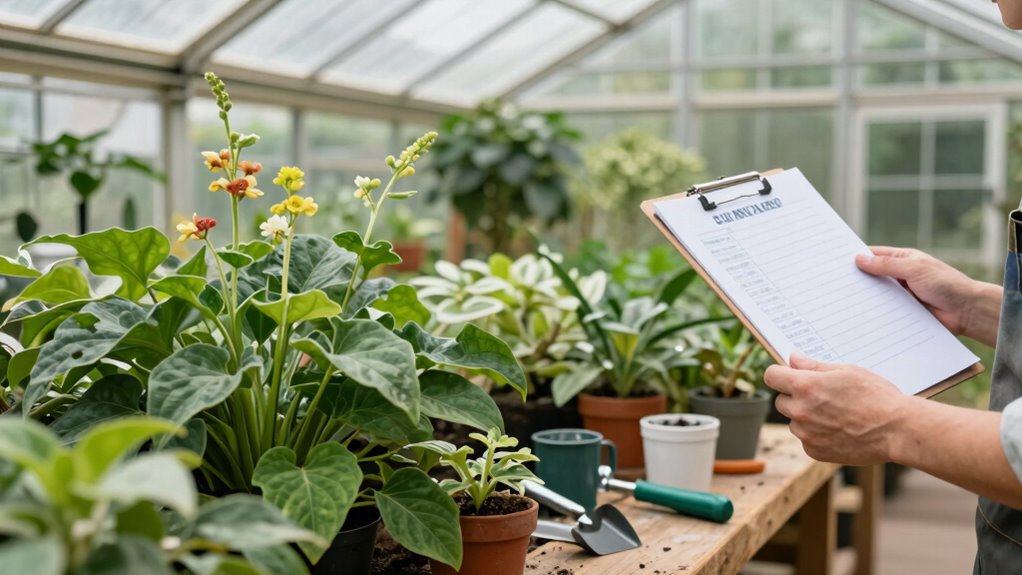
Start by evaluating your current setup to identify urgent problems that affect plant health or efficiency, such as pest issues or climate control failures. Focus on these essentials first to prevent damage and make sure your environment is stable. Then, address upgrades that improve energy efficiency and sustainability to lower costs long-term. Infrastructure and automation can come next once core issues are resolved. If you keep exploring, you’ll discover how to structure a logical upgrade plan that maximizes results.
Key Takeaways
- Address urgent issues like pest control and plant health first to prevent further damage.
- Focus on climate control upgrades as they provide a stable foundation for other improvements.
- Prioritize sustainable and energy-efficient technologies to reduce long-term operational costs.
- Use a cost-benefit analysis to identify upgrades with the highest impact and return on investment.
- Plan infrastructure and automation improvements after stabilizing core environmental and health concerns.

Upgrading your greenhouse can significantly boost plant growth and energy efficiency, but knowing where to start can be overwhelming. When your greenhouse needs multiple improvements, it’s essential to prioritize effectively to maximize your investment. Begin by evaluating your current setup and identifying the most urgent issues that hinder plant health or operational efficiency. For instance, if you notice frequent pest problems, addressing pest management should take precedence. Pests can quickly spread and compromise your entire crop, so installing better screening, traps, or biological controls might be your first step. This not only protects your plants but also reduces the need for chemical interventions, creating a healthier environment.
Prioritize pest management first to protect crops and create a healthier greenhouse environment.
Next, consider your climate control systems. Proper temperature, humidity, and ventilation are crucial for ideal plant growth. If your greenhouse struggles to maintain consistent conditions, upgrading your climate control can have a transformative effect. Installing automated ventilation, heaters, or cooling systems allows you to regulate the environment more precisely, leading to healthier plants and increased yields. Prioritizing climate control early on helps stabilize the environment, making it easier to implement other upgrades down the line, such as lighting or irrigation systems. Additionally, understanding environmental control as a crucial factor can guide your upgrade decisions more effectively. Recognizing the importance of sustainable practices can also help you select eco-friendly technologies that align with your goals. Incorporating energy-efficient technologies can further enhance your greenhouse’s overall sustainability and operational cost savings. Exploring renewable energy options is another way to reduce reliance on traditional power sources and promote long-term sustainability.
As you decide what to upgrade next, think about energy efficiency. If your current setup consumes excessive power, investing in energy-efficient lighting or insulation can lower your operational costs over time. These upgrades also improve climate stability, further supporting your plants’ health. When energy efficiency is improved, you often notice a ripple effect—better climate control, reduced pest issues, and enhanced plant growth. Cost-benefit analysis can guide you here: weigh the immediate costs against long-term savings and productivity gains. Incorporating energy-saving technologies can also help you meet sustainability goals, which is increasingly important in modern horticulture. Additionally, infrastructure upgrades like shelving, irrigation, or automation systems should be considered once foundational issues are addressed.

Gideal 20-Pack Dual-Sided Yellow Sticky Traps for Flying Plant Insect Such as Fungus Gnats, Whiteflies, Aphids, Leafminers,Thrips – (6×8 Inches, Included 20pcs Twist Ties)
- Pack Size: 20 yellow sticky traps
- Effective Insect Catching: Catches flying plant insects effectively
- Versatile Use: Suitable for outdoor and indoor plants
As an affiliate, we earn on qualifying purchases.
As an affiliate, we earn on qualifying purchases.
Frequently Asked Questions
How Do I Budget Effectively for Multiple Greenhouse Upgrades?
You should start with a detailed cost analysis to understand your budget limits and identify essential upgrades. Then, create an upgrade timeline that prioritizes the most critical improvements first, spreading costs over time. This approach helps you allocate funds wisely, avoid overspending, and guarantee your greenhouse gets the necessary upgrades without financial strain. Regularly review your plan to adapt to changing needs and available resources.
What Are the Most Cost-Effective Upgrades for a Beginner Greenhouse?
For a beginner greenhouse, focus on cost-effective upgrades like sealing leaks and adding simple ventilation. Conduct a cost analysis to guarantee your investments are worthwhile and plan upgrade timing during off-peak seasons for better deals. Prioritize improvements that boost plant health and energy efficiency first, then expand gradually. This approach helps you maximize your budget, avoid unnecessary expenses, and create a more productive greenhouse environment over time.
How Can I Assess Which Upgrades Will Provide the Best ROI?
Evaluating which upgrades offer the best ROI can feel like steering through a maze of endless possibilities. Start with a cost-benefit analysis, comparing each upgrade’s potential yield increase against its cost. Focus on upgrades that improve climate control, pest prevention, or lighting, as they typically deliver high returns. Prioritize based on the most immediate needs and long-term benefits, ensuring each investment maximizes your greenhouse’s productivity and profitability.
Are There Seasonal Considerations When Planning Upgrades?
Yes, seasonal timing plays a key role in upgrade scheduling. You should plan major upgrades during the off-season or when plant growth is slower, minimizing disruptions. For example, install new ventilation systems before summer to boost cooling, and upgrade heating before winter to guarantee warmth. Timing upgrades according to seasonal needs helps you optimize greenhouse conditions, reduces downtime, and makes the most of your resources, ensuring smoother operations year-round.
How Do I Balance Immediate Needs Versus Long-Term Improvements?
You should assess your greenhouse’s immediate needs, like plant health and ventilation strategies, to prevent issues now. Simultaneously, plan for long-term improvements that support sustainable growth. Balance urgent upgrades, such as fixing ventilation, with future-proofing projects like insulation or automation. Prioritize tasks that boost plant health first, then gradually add long-term upgrades, ensuring your greenhouse remains productive today and adaptable for tomorrow’s needs.
Conclusion
Prioritizing your greenhouse upgrades can feel overwhelming, but focusing on the essentials first guarantees steady progress. Remember, investing in just a few key improvements can boost your crop yields by up to 30%. Keep a clear plan and tackle upgrades one step at a time, so you don’t spread yourself too thin. With patience and smart choices, your greenhouse will become a thriving, efficient space—turning your gardening dreams into reality.