When selecting the best site for your greenhouse, prioritize a location with long side facing true south or north for maximum sunlight, and make certain it’s protected from strong winds using natural or man-made barriers. Choose an area with well-draining soil to prevent water issues, and make sure easy access to water and utilities for maintenance. Also, consider future expansion options. Keep these key factors in mind to create a thriving environment—there’s more to discover as you explore further.

Get garden gear delivered free with Prime
- Fast, free delivery on millions of items
- Prime Video, Amazon Music and more included
- Member-only deals all year
Key Takeaways
- Ensure the site has optimal solar orientation with minimal shading for maximum sunlight exposure.
- Choose a location with natural or artificial windbreaks to protect plants and structures.
- Select well-draining soil and avoid low-lying, water-logged areas for healthy plant growth.
- Opt for accessible sites near water and power sources for efficient maintenance and resource use.
- Plan for future expansion to accommodate growth and avoid costly relocations later.

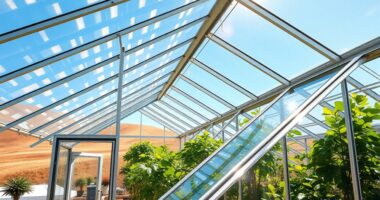
Choosing the right site is essential for the success of your greenhouse. The location you pick influences how well your plants grow and how efficiently your greenhouse operates. To maximize sunlight, you need to pay close attention to solar orientation. Position your greenhouse so that its longest side faces true south if you’re in the northern hemisphere, or true north if you’re in the southern hemisphere. This orientation ensures your plants get the maximum amount of sunlight throughout the day, which is crucial for healthy growth and high yields. Avoid placing your greenhouse in shaded areas caused by tall trees, buildings, or other structures, as they can block sunlight and reduce the energy your plants receive. Keep in mind that seasonal sunlight angles change, so a site with unobstructed southern exposure will help your greenhouse stay well-lit year-round.
Choose a site with maximum southern exposure for optimal sunlight year-round.
Wind protection is another critical factor when selecting your site. Strong, persistent winds can cause significant damage to your greenhouse structure and create a stressful environment for your plants. When evaluating potential sites, look for natural windbreaks such as hills, large shrubs, or existing trees. If natural wind protection isn’t available, consider installing man-made barriers like fences or windbreak walls. These structures not only shield your greenhouse from damaging gusts but also help maintain a stable internal temperature, which is vital for plant health. Proper wind protection reduces the risk of structural damage and minimizes heat loss, making your greenhouse more energy-efficient. Additionally, selecting a site with good drainage is crucial to prevent waterlogging and root diseases, ensuring your plants thrive in a healthy environment.
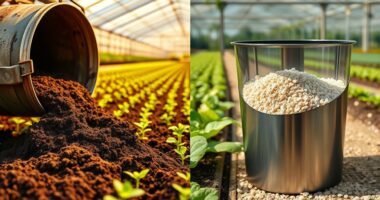
Location also impacts other environmental factors like drainage, accessibility, and proximity to utilities. Make sure the site has well-draining soil to prevent waterlogging, which can harm plant roots and promote disease. Accessibility matters too—choose a spot that’s easy to reach for regular maintenance, watering, and harvesting. Being close to your home or water sources can save you time and effort. Additionally, consider the proximity to power and water supplies, especially if you’re planning to use supplemental heating, ventilation, or irrigation systems.
Finally, think about future expansion and how the site will fit into your overall gardening plans. A good location offers flexibility for enlarging your greenhouse or adding other features later on. Keep these factors in mind, and you’ll set yourself up for a successful growing season. Selecting the ideal site involves careful planning, but taking the time to evaluate these key aspects—solar orientation, wind protection, drainage, accessibility, and expansion potential—will pay off in healthier plants and greater harvests.
As an affiliate, we earn on qualifying purchases.
Frequently Asked Questions
How Does Local Climate Impact Greenhouse Site Selection?
You should consider your local climate, including climate zones and wind exposure, when choosing a greenhouse site. Climate zones influence the temperature and humidity levels, affecting plant growth. Wind exposure can cause structural damage or heat loss, so select a location sheltered from strong winds. By understanding these factors, you’ll guarantee your greenhouse maintains ideal conditions, protecting your plants and making your gardening efforts more successful.
What Are the Zoning Restrictions for Building a Greenhouse?
You need to check local zoning restrictions before building your greenhouse. This often involves obtaining building permits and ensuring you comply with setback requirements, which specify how far your structure must be from property lines or other buildings. Contact your city or county planning office to get detailed guidelines. Failing to follow these rules can lead to fines, delays, or even having to dismantle your greenhouse.
How Does Soil Type Affect Greenhouse Foundation Choices?
Soil type directly influences your greenhouse foundation choices because soil stability varies. If you have loose or sandy soil, you’ll need a deeper foundation to guarantee stability and prevent shifting. Conversely, clay soil may require less depth but needs proper drainage. Assess your soil type carefully, then modify your foundation depth accordingly to create a solid, long-lasting base that supports your greenhouse structure effectively.
What Are the Best Practices for Pest Prevention at the Site?
Think of your site as a fortress against pests. You should start pest monitoring early, regularly inspecting plants for signs of trouble. Encourage natural predators like ladybugs and predatory insects to keep pests in check naturally. Keep the area clean and free of debris, and install physical barriers if needed. By maintaining vigilant pest prevention practices, you create a healthy environment where your greenhouse can thrive without chemical interventions.
How Can I Assess Potential Site Drainage Issues Effectively?
You can evaluate potential site drainage issues by conducting drainage testing, which involves observing how water moves and pools after rainfall or using a simple slope test. Check the site grading to ensure it slopes away from where your greenhouse will sit, preventing water accumulation. Proper grading directs water away efficiently, reducing flood risks and ensuring a stable foundation. Regularly monitor these aspects to catch drainage problems early.
Conclusion
Now that you’ve pinpointed the ideal site, remember, a good location can make or break your greenhouse’s success. Think of it like finding the Holy Grail—your plants will thrive, and you’ll enjoy bountiful harvests. Don’t forget to contemplate sunlight, wind, and drainage, much like a seasoned knight preparing for battle. With careful planning, you’ll be well on your way to a flourishing garden, just like the great growers of yore!
Fall yard work Picks
leaf blowers
As an affiliate, we earn on qualifying purchases.