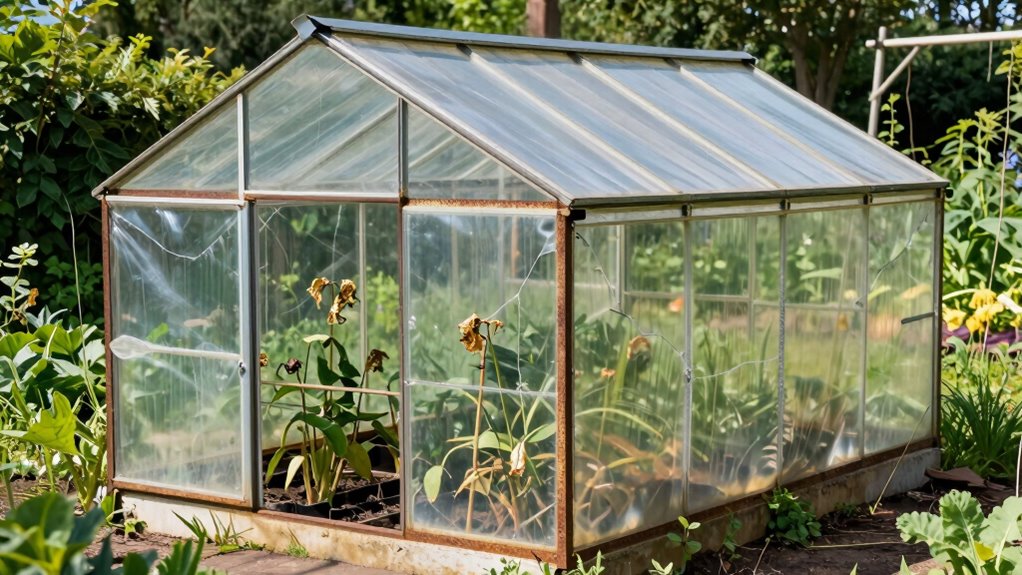
Small greenhouses tend to fail faster because they are more vulnerable to environmental stresses like extreme weather, which can cause damage without reinforced features for protection. They heat up quickly and struggle to control temperature and humidity, leading to plant stress and disease. Limited ventilation and poor drainage can worsen conditions, causing structural issues. Proper management and smart design can improve durability—if you want to find out how to boost longevity, keep exploring these key factors.
Key Takeaways
- Small greenhouses lack reinforced structures, making them more vulnerable to damage from extreme weather conditions.
- Limited space hampers effective temperature regulation, leading to rapid environmental fluctuations that stress plants and structures.
- Poor ventilation and drainage in small setups increase humidity and water pooling, causing faster deterioration.
- Insufficient soil management and pest control reduce soil health and structural integrity over time.
- Smaller size means less material mass and reinforcement, resulting in shorter lifespan and quicker wear and tear.
Understanding Why Small Greenhouses Struggle With Stability
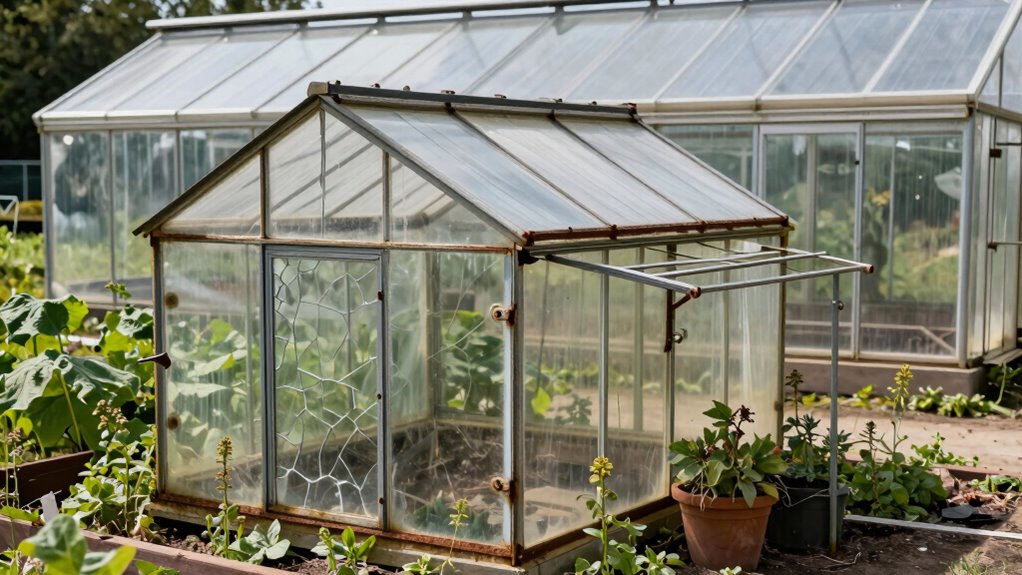
Small greenhouses often struggle with stability because their compact size makes them more susceptible to external forces like wind and uneven ground. To improve stability, focus on plant selection; choose low-maintenance plants that don’t require frequent disturbance or heavy containers. Proper soil management also plays a critical role—you need well-draining, compacted soil to prevent shifting and sinking. Additionally, choosing appropriate construction materials designed for stability can further enhance the resilience of your small greenhouse. Using design principles that prioritize structural integrity can help distribute weight more evenly and resist external stresses. Incorporating indoor air quality and humidity tips can also help maintain a stable environment by reducing excess moisture that might weaken structures over time. Proper ventilation can prevent humidity buildup, which is essential for sound environmental control within the greenhouse. Avoid overloading shelves or planting too densely, which can add unnecessary weight and imbalance. Use sturdy materials for framing and anchoring, and consider adding weights or stakes to secure the structure. When you pay attention to these aspects, your greenhouse becomes less vulnerable to external forces, giving it a more stable foundation to support healthy plant growth.
Temperature Regulation Challenges in Small Greenhouses
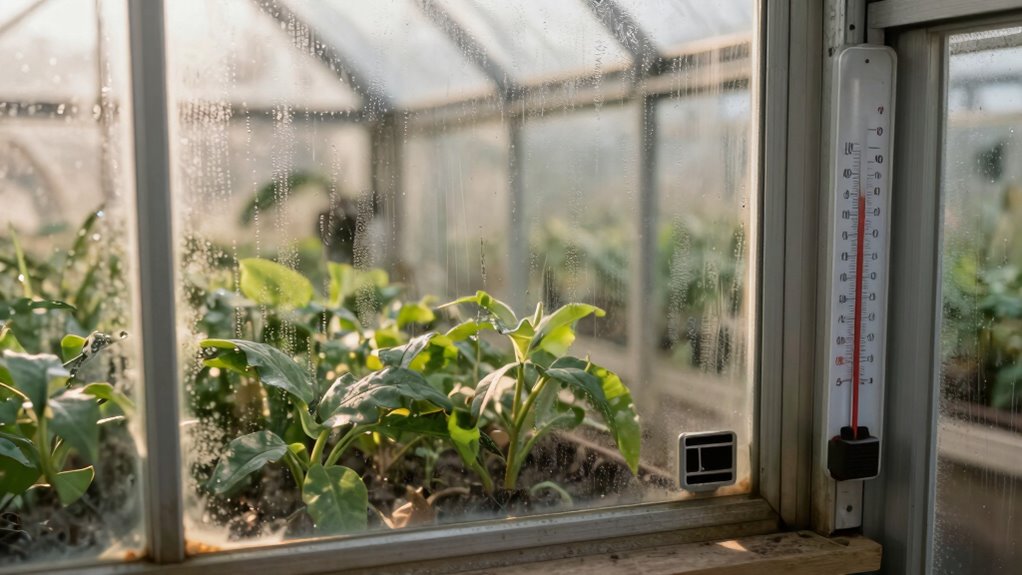
While ensuring structural stability is essential, maintaining the right temperature inside a small greenhouse often proves to be just as challenging. Small spaces heat up quickly, causing temperature swings that can harm your plants. Achieving ideal conditions depends on plant compatibility; some plants thrive in tighter, warmer environments, while others need cooler, more stable temperatures. Rapid fluctuations make it difficult to maintain a consistent environment, risking plant stress or disease. Additionally, temperature changes affect pest control efforts—warmth can attract pests or promote their reproduction, compounding problems. Without proper insulation or temperature regulation systems, you’ll find it tough to keep your greenhouse environment balanced. Temperature regulation is crucial for preventing these issues and maintaining plant health. Managing these challenges requires careful planning to ensure your plants stay healthy and pest issues stay under control.
How Limited Ventilation Causes Rapid Environmental Fluctuations
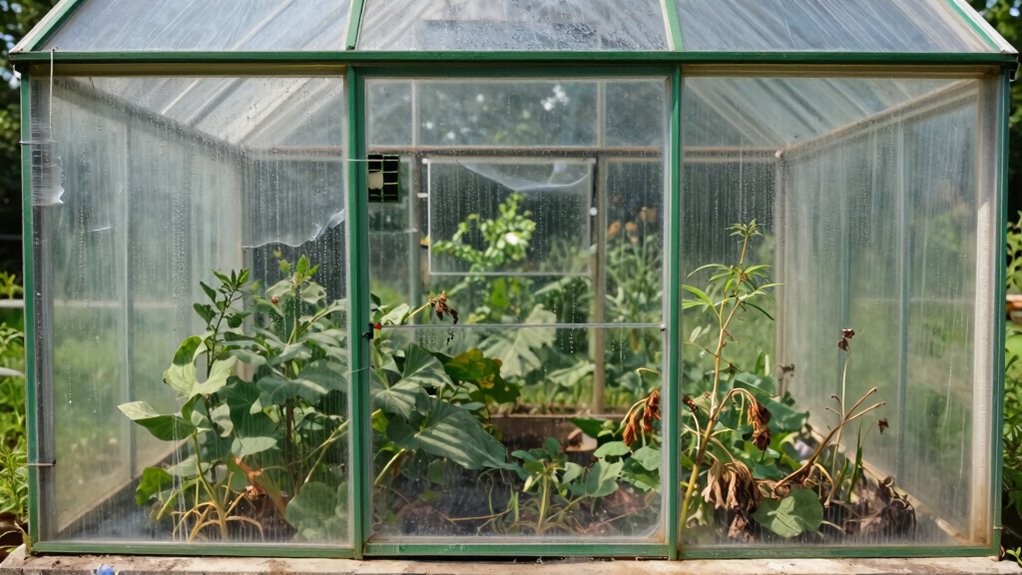
Limited ventilation in small greenhouses restricts the exchange of air, causing environmental conditions to fluctuate rapidly. Poor air circulation traps heat, humidity, and pests, making it harder to maintain stable conditions. You might notice sudden drops or spikes in temperature and humidity, damaging crops or slowing growth. To visualize this, consider the following:
| Condition | Effect on Plants | Solution |
|---|---|---|
| Poor air flow | Stagnant air, uneven temps | Improve ventilation methods |
| High humidity | Fungal diseases | Use fans or vents |
| Temperature swings | Plant stress, damage | Increase air exchange |
| Moisture buildup | Root rot, mold | Enhance moisture control |
| Rapid fluctuations | Reduced plant health | Enhance air circulation |
Additionally, proper ventilation can help prevent the buildup of pests and diseases, which thrive in stagnant, humid environments. Efficient air circulation stabilizes environments and protects your plants. Proper ventilation techniques are essential for maintaining a healthy greenhouse environment and preventing rapid environmental fluctuations. Moreover, understanding the importance of air exchange can significantly improve your greenhouse’s overall health. Ensuring consistent air flow is crucial for preventing these rapid fluctuations and maintaining optimal growing conditions. Proper air circulation also helps in controlling temperature and humidity levels, creating a more stable environment for your plants.
Design Flaws That Cause Small Greenhouse Failures
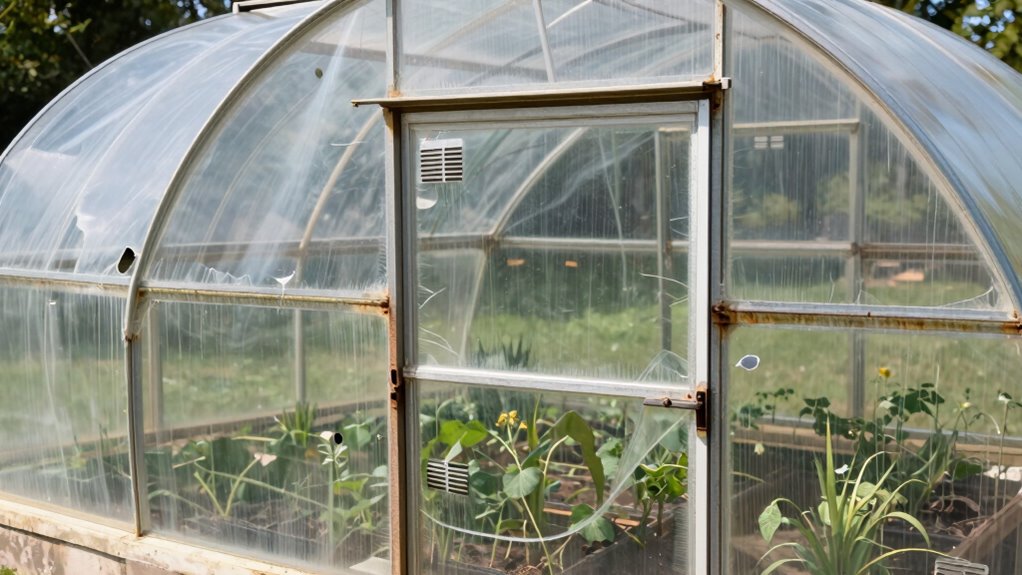
Design flaws often undermine the durability and effectiveness of small greenhouses, leading to early failures that can be costly and frustrating. Poorly planned structures may struggle with temperature regulation or airflow, causing stress on plants. Additionally, neglecting key aspects such as watering schedule and pest management can worsen issues. Here are common design flaws:
- Inadequate Ventilation: Small greenhouses often lack proper airflow, leading to humidity buildup and plant diseases. Proper ventilation is essential to maintain optimal conditions and prevent structural issues caused by excess moisture. Incorporating climate control features can significantly improve environment regulation. Proper airflow supports energetic alignment, which is vital for healthy plant growth and overall greenhouse success. Ensuring air circulation is properly integrated helps prevent stagnation and promotes a balanced environment.
- Poor Drainage: Insufficient drainage causes water pooling, damaging plants and encouraging pests. Proper drainage systems are vital to sustain healthy plant growth and protect the structure’s integrity.
- Overly Complex Design: Overcomplicated structures hinder maintenance, making it harder to manage watering schedules and pest control effectively. Simplified designs can improve user experience and operational efficiency.
- Lack of Market Awareness: Failing to consider market trends and insights can lead to designs that do not adapt well to changing weather patterns or plant needs, increasing the risk of failure. Staying informed about industry developments helps ensure your greenhouse remains resilient and effective.
Tips to Make Your Small Greenhouse More Resilient and Last Longer
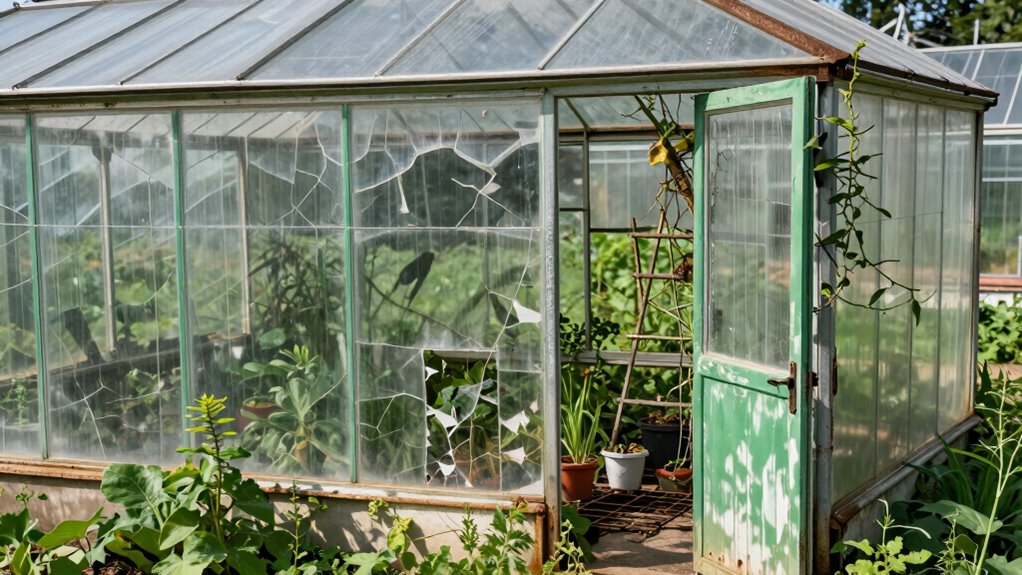
To make your small greenhouse more resilient and extend its lifespan, focus on optimizing ventilation, drainage, and structural simplicity. Proper soil preparation is essential; guarantee your soil is well-draining, nutrient-rich, and free of pests. Regularly inspect and amend the soil to prevent compaction and disease buildup. Good ventilation helps regulate temperature and humidity, reducing mold and pest issues. Keep pest control measures in place, such as sticky traps or organic deterrents, to prevent infestations that can damage plants and weaken the structure. Simplify your greenhouse design where possible, avoiding complex joints or weak points that can break easily. Additionally, understanding the importance of greenhouse materials can help you select more durable options that withstand environmental stresses. Using durable construction techniques can further enhance your greenhouse’s ability to withstand harsh weather conditions. Ensuring proper environmental monitoring allows you to make timely adjustments and prevent issues that lead to early failure. Incorporating weather-resistant features can also help protect your greenhouse from extreme conditions. By maintaining healthy soil, controlling pests, and ensuring proper airflow, you’ll considerably boost your greenhouse’s durability and longevity.
Frequently Asked Questions
Can Small Greenhouses Be Effectively Insulated to Prevent Rapid Temperature Changes?
Yes, small greenhouses can be effectively insulated to prevent rapid temperature changes. You should use insulation techniques like bubble wrap, foam panels, or thermal curtains to improve temperature regulation. These materials trap heat and reduce heat loss, helping your greenhouse stay warmer during cold nights and cooler during hot days. Proper insulation guarantees a stable environment, allowing your plants to thrive without the stress of fluctuating temperatures.
What Materials Are Most Durable for Small Greenhouse Frames?
Think of small greenhouse frames like sturdy bones—your choice impacts longevity. Metal, especially galvanized steel, offers exceptional durability, resisting rust and corrosion, making it ideal for longevity. PVC is lightweight but less durable, while wood provides a natural look but needs regular upkeep. When selecting frame materials, consider durability factors such as weather resistance, strength, and maintenance needs to guarantee your greenhouse stands strong over time.
How Does Location Impact the Lifespan of a Small Greenhouse?
Your greenhouse’s location greatly impacts its lifespan. If you place it in a harsh climate zone with extreme temperatures or high humidity, materials may degrade faster. Poor sunlight exposure can also weaken plant growth, stressing the structure. To prolong its life, choose a site with balanced sunlight and protection from strong winds or heavy snowfall. Proper placement ensures the greenhouse endures longer, making your gardening efforts more successful.
Are There Specific Plants Better Suited for Small Greenhouse Environments?
Did you know that herbs like basil and mint thrive in small greenhouses? You’re better suited choosing plants with high compatibility to your space, ensuring efficient growth. Small greenhouses favor compact, fast-growing plants that maximize space optimization. Select plants that flourish in confined environments and require minimal maintenance. This approach not only boosts your greenhouse success rate but also makes your gardening experience more enjoyable and productive.
What Maintenance Routines Extend the Life of a Small Greenhouse?
To extend your small greenhouse’s life, establish regular maintenance routines like checking ventilation strategies to prevent overheating and humidity buildup. Keep vents clean and guarantee proper airflow. Use pest control methods such as traps or organic treatments to avoid infestations. Regularly inspect and repair structural components, clean glass or plastic panels, and monitor plant health. These routines help maintain a healthy environment, reducing wear and tear, and prolonging your greenhouse’s durability.
Conclusion
To improve your small greenhouse’s longevity, focus on better ventilation and sturdy design. Did you know that small greenhouses can experience temperature swings up to 20°F in just a few hours? That’s a big challenge for plants and structure alike. By addressing ventilation issues and reinforcing weak points, you can prevent quick failures and enjoy a more stable environment. With some adjustments, your small greenhouse can thrive longer and protect your plants better.