
Start by opening windows on opposite sides of your home during cooler evenings to create cross-ventilation, which naturally cools your space. Use shading and reflective window films to reduce heat gain during the day, and manage your airflow with properly adjusted vent controls. Position fans strategically to exhaust warm indoor air and pull in cooler outdoor air. If you want to maximize cooling without spending extra, there’s more simple tips that can make a big difference—you’ll find them below.

Get garden gear delivered free with Prime
- Fast, free delivery on millions of items
- Prime Video, Amazon Music and more included
- Member-only deals all year
Key Takeaways
- Improve outdoor airflow by opening windows on opposite sides for effective cross-ventilation.
- Use shading devices and reflective films to reduce indoor heat gain before enhancing airflow.
- Manage window openings with ventilation controls to optimize airflow and prevent warm air from entering.
- Position fans strategically near open windows to maximize the intake of cooler outdoor air.
- Combine natural ventilation with passive cooling methods for a cost-effective, energy-efficient summer airflow solution.

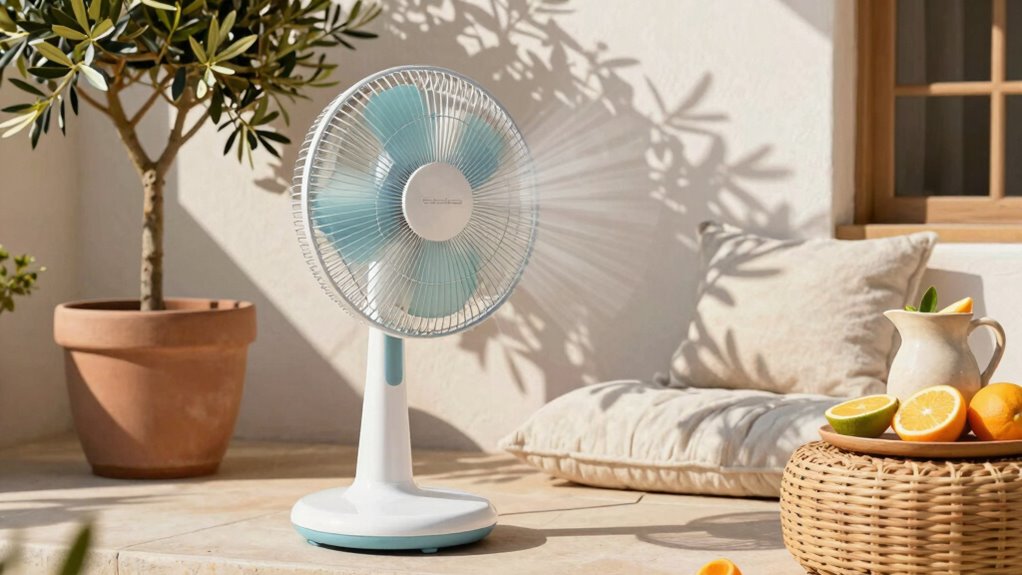
Are you tired of feeling hot and stuffy indoors during summer? Before rushing out to buy a fan, it’s worth understanding that fixing your airflow starts with smarter strategies. One of the best ways to beat the heat is by improving how air moves through your space, and that often begins outside. Outdoor ventilation is a key component—if you can create a flow of fresh air from outside, it helps lower indoor temperatures naturally. Opening windows at the right times allows cooler evening air to seep in, pushing out the stale, hot air that accumulates during the day. If your home has multiple windows, creating cross-ventilation by opening them on opposite sides can dramatically improve airflow. Additionally, understanding the role of Outdoor ventilation can help you optimize your home’s airflow and cooling efficiency. Properly managing airflow patterns ensures that cooler outdoor air enters while warm indoor air exits, enhancing overall cooling. Incorporating natural ventilation techniques can further reduce reliance on mechanical cooling systems and promote energy efficiency. Using passive cooling methods, such as shading windows or installing reflective window films, can also contribute to lowering indoor temperatures without additional energy use. Utilizing ventilation controls, like window latches that allow for secure, yet adjustable, opening, can help maintain optimal airflow throughout different times of the day. Portable cooling devices are helpful, but they work best when combined with good outdoor ventilation. Instead of immediately relying on a fan to blow hot air around, consider how to bring in cooler air from outside or exhaust warm indoor air effectively. For example, placing a portable fan near an open window can pull in cooler air from outside, providing immediate relief without needing to cool the entire room. It’s also smart to position fans to direct airflow across your living space, helping to circulate air more efficiently. Using fans outdoors, such as oscillating fans or misting fans, can also help cool outdoor areas, making them more comfortable for gatherings or relaxing outside.
outdoor cross ventilation window latches
As an affiliate, we earn on qualifying purchases.
As an affiliate, we earn on qualifying purchases.
Frequently Asked Questions
How Can Window Placement Improve Airflow Naturally?
You can improve airflow naturally by carefully considering window positioning to enhance natural ventilation. Open windows on opposite sides of your space to create a cross-breeze, which encourages air movement and cools the area efficiently. Keep windows at different heights if possible, and angle them to catch prevailing winds. Proper window placement boosts airflow, reducing reliance on fans and maintaining a comfortable indoor temperature during hot summer days.
What Are the Best Materials for Enhancing Airflow?
The best materials for enhancing airflow include breathable fabrics and insulation that promote ventilation, like open-cell foam or specialized airflow insulation. Use these materials strategically in your walls or ceiling to improve natural airflow. Combine them with effective ventilation strategies, such as installing vents or exhaust fans, to maximize airflow. These materials and strategies work together to keep air moving efficiently, helping you stay cooler without relying solely on fans.
How Does Outdoor Humidity Affect Indoor Cooling?
Outdoor humidity directly impacts your indoor cooling efficiency. High outdoor humidity makes it harder to cool indoor air because moisture slows down evaporation, reducing cooling effectiveness. To combat this, focus on humidity management by using dehumidifiers and ensuring proper outdoor ventilation. Proper ventilation helps exchange humid indoor air with drier outdoor air when humidity levels are lower outside, but be cautious during very humid days to avoid bringing in excess moisture.
Can Plant Placement Boost Indoor Airflow?
Yes, plant placement can boost indoor airflow. By strategically positioning indoor greenery near windows and vents, you create natural airflow channels that help circulate air more effectively. Leafy plants, like ferns or pothos, act as natural air filters and can increase ventilation. Proper plant positioning not only enhances airflow but also improves air quality, making your indoor space fresher and more comfortable, especially during hot summer days.
What Common Mistakes Reduce Summer Airflow Efficiency?
Did you know that poor ventilation strategies can cut airflow efficiency by up to 50%? You might unknowingly reduce summer airflow by blocking vents or ignoring natural airflow paths. Common mistakes include sealing windows tightly, ignoring cross-ventilation, and placing furniture that obstructs airflow. Removing these airflow blockers and optimizing ventilation strategies helps maximize airflow, keeps your home cooler, and reduces reliance on air conditioning. Don’t let simple mistakes hold back your summer comfort.
Conclusion
Before you buy a fan, take the time to assess your space, seal your leaks, and optimize natural airflow. Plan your approach, prepare your environment, and prioritize your comfort. By doing so, you create a cooler, more invigorating home, a space that breathes better, feels fresher, and stays cooler longer. When you start with these steps, you’re not just fixing airflow—you’re transforming your summer experience, making every breeze count, and enjoying a more comfortable, energized season ahead.
Fall Picks
fall essentials
As an affiliate, we earn on qualifying purchases.