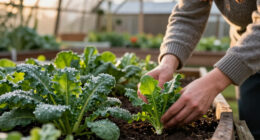
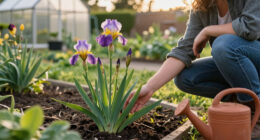
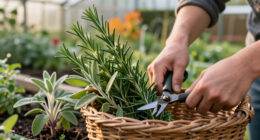
To match premium greenhouse features with your gardening goals, focus on advanced soil management like raised beds and soil sterilization to improve crop health. Incorporate environmental controls such as temperature, humidity, and ventilation to create ideal conditions. Use pest-proofing measures like insect screens and integrated pest management. Guarantee the design allows easy sanitation and maintenance. By aligning these features with your specific goals, you’ll set the stage for thriving, high-quality crops. Discover more ways to optimize your greenhouse success.

Get garden gear delivered free with Prime
- Fast, free delivery on millions of items
- Prime Video, Amazon Music and more included
- Member-only deals all year
Key Takeaways
- Select advanced soil management systems like raised beds and sterilization to optimize plant health for specific crops.
- Incorporate precise environmental controls such as temperature and humidity regulation to support delicate and high-value plants.
- Ensure pest-proofing features like insect screens and integrated IPM strategies to prevent pest issues in serious gardening.
- Design the greenhouse with easy sanitation, ventilation, and drainage for efficient maintenance and disease prevention.
- Use customizable features to extend growing seasons and create optimal conditions tailored to specific gardening goals.
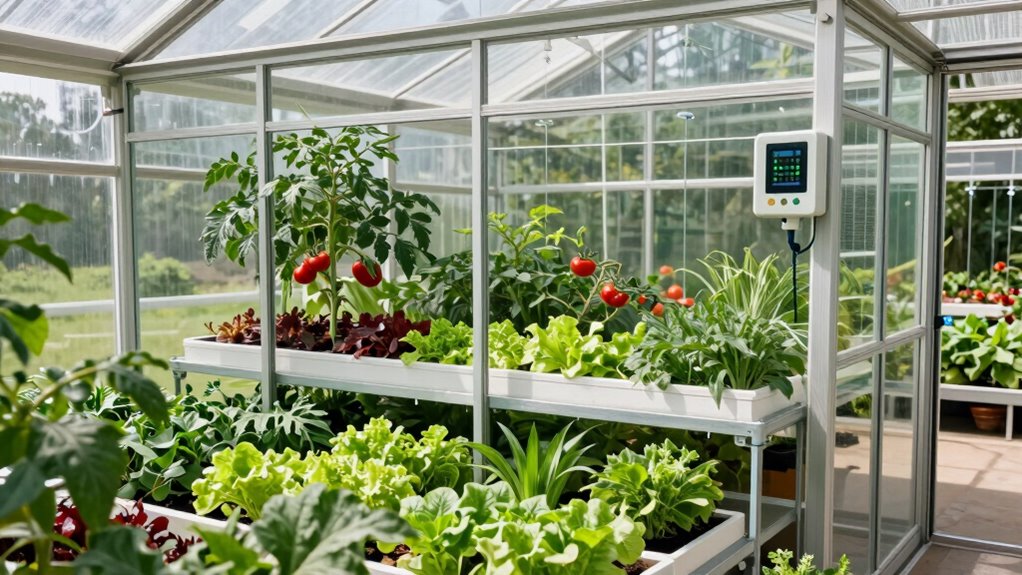
Choosing the right greenhouse features depends on your specific gardening goals, whether you’re aiming to extend the growing season, cultivate delicate plants, or experiment with new crops. When you’re serious about gardening, every feature should serve a purpose, helping you maximize plant health and productivity. One of the most critical aspects to contemplate is soil management. Your greenhouse should include features that allow you to control soil quality effectively. This might mean installing raised beds with high-quality soil or incorporating a soil heating system to maintain ideal temperatures. Proper soil management ensures plants get the nutrients they need, reduces the risk of diseases, and allows you to tailor conditions for specific crops. If you’re growing sensitive or high-value plants, you might also want to think about adding a soil sterilization system to prevent pests and pathogens from taking hold. This helps minimize pest problems from the ground up, reducing the need for chemical interventions later on.
Pest control is another essential feature to match with your gardening ambitions. If you’re serious about producing healthy, high-yield crops, you need to think beyond just chemical sprays. A well-designed greenhouse should include integrated pest management (IPM) strategies. Features like insect screens on vents and doors keep pests out without compromising airflow, while trap crops or biological pest control options can help manage infestations naturally. You may also want to invest in environmental controls such as temperature and humidity regulation, which can make your greenhouse less hospitable to common pests and diseases. When pests are managed proactively, your plants stay healthier, and you avoid the setbacks caused by infestations. Additionally, understanding soil sterilization and its role in pest prevention can help you develop a more comprehensive pest management plan. Incorporating environmental controls such as humidity regulation can further reduce pest and disease risks by creating less favorable conditions for their development. Moreover, optimizing greenhouse design can significantly enhance pest and soil management efforts, making maintenance more efficient and effective. Proper ventilation and airflow management are also critical to preventing mold and fungal issues, which can attract pests or compromise plant health. Maintaining good sanitation practices and using pest-proofing features can further support your efforts in keeping pests under control.
In addition, consider how your greenhouse’s design can facilitate pest and soil management. For example, easy-to-clean surfaces, removable trays, and accessible drainage systems make it simpler to sanitize and maintain a pest-free environment. Proper ventilation not only helps with temperature control but also reduces humidity levels that favor mold and pests. If you’re experimenting with new crops or trying to extend your growing season, these features become even more essential, ensuring that your plants thrive under ideal conditions while minimizing risks.
greenhouse soil sterilization system
As an affiliate, we earn on qualifying purchases.
As an affiliate, we earn on qualifying purchases.
Frequently Asked Questions
Can I Customize Greenhouse Features After Installation?
Yes, you can customize greenhouse features after installation through various post-installation options. Greenhouse customization allows you to adapt your setup as your gardening goals evolve. You can add or upgrade features like ventilation, shading, or shelving. Many manufacturers offer modular components or accessories that easily integrate, giving you flexibility to enhance your greenhouse’s functionality and optimize your gardening environment without needing a complete overhaul.
What Maintenance Is Required for High-End Greenhouse Components?
High-end greenhouse components require regular maintenance to stay in top shape. You’ll need to check and clean greenhouse automation systems to guarantee smooth operation, and inspect pest control measures to prevent infestations. Regularly lubricate moving parts, replace filters, and monitor environmental controls. This upkeep keeps your greenhouse efficient, helping you achieve your gardening goals while minimizing downtime and pest issues. Consistent care guarantees your investment continues delivering excellent results.
Are There Eco-Friendly Options for Premium Greenhouse Features?
Yes, you can choose eco-friendly options for premium greenhouse features. Look for sustainable materials like recycled aluminum or FSC-certified wood for framing, and use renewable energy sources such as solar panels to power your greenhouse. These choices reduce your environmental impact while maintaining high quality. Incorporating such sustainable materials and renewable energy guarantees your greenhouse aligns with your serious gardening goals and eco-conscious values.
How Do Weather Conditions Affect Greenhouse Feature Choices?
Weather conditions considerably influence your greenhouse feature choices. You need to prioritize climate adaptability to handle seasonal variations, such as cold winters or hot summers. For colder climates, consider insulation and heating systems. In warmer areas, focus on ventilation and shading. By understanding your local weather patterns, you can select features that maintain ideal conditions year-round, ensuring your plants thrive regardless of seasonal fluctuations.
What Is the Typical Lifespan of Advanced Greenhouse Systems?
Think of advanced greenhouse systems as sturdy trees in your garden’s forest—they can stand tall for 15 to 25 years with proper care. During this time, your plant growth flourishes, and pest control remains manageable. Regular maintenance, like checking seals and replacing aging components, keeps your system thriving. With dedication, you’ll enjoy a lush, productive greenhouse that ages gracefully, supporting your serious gardening goals for decades to come.
Conclusion
By carefully aligning your greenhouse features with your gardening goals, you set yourself up for success. Whether you’re aiming for year-round produce or exotic plants, choosing the right tools makes all the difference. Did you know that greenhouse growers report up to a 30% increase in yield when optimizing their environment? So, invest wisely, stay focused on your goals, and watch your gardening dreams flourish—your perfect greenhouse is within reach!
Fall yard work Picks
leaf blowers
As an affiliate, we earn on qualifying purchases.