
TL;DR
Gardening interest in planting fast-growing cover crops in September is rising. Experts suggest six species that can boost soil fertility by spring, though official recommendations are still emerging.
Gardening enthusiasts are increasingly exploring the benefits of planting six fast-growing cover crops this September to improve soil fertility for next spring, according to recent trend signals. While official guidelines are still developing, this shift reflects growing awareness of sustainable soil management practices among home gardeners and small-scale farmers.
Recent online search data and gardening forums show a spike in interest around sowing cover crops in late summer, specifically in September. Experts emphasize that planting certain fast-growing species now can significantly enhance soil organic matter, suppress weeds, and reduce erosion by the time planting season begins next year. The six crops most frequently recommended include clover, vetch, radish, buckwheat, oats, and peas, each known for rapid growth and soil benefits.
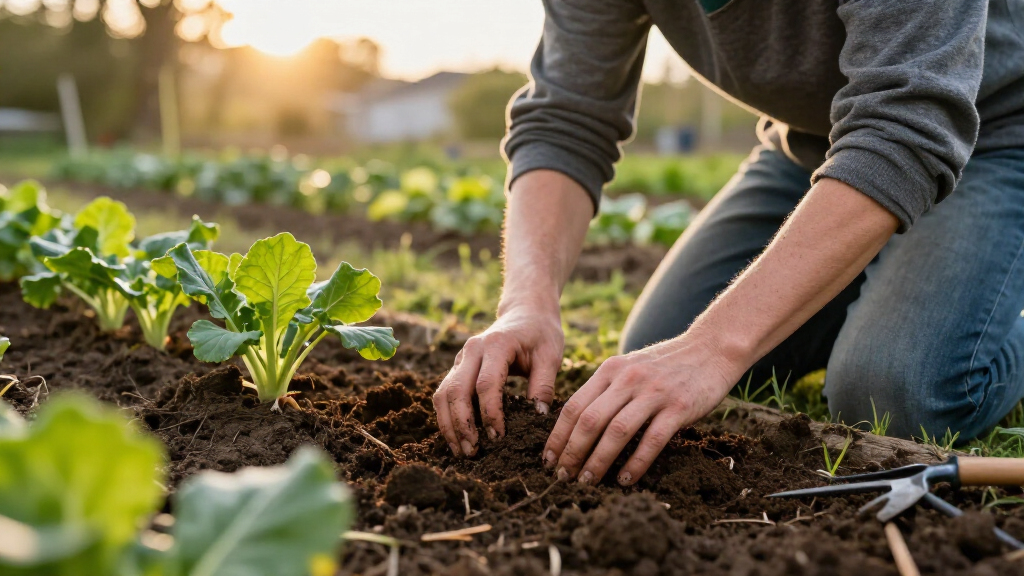
According to agronomists, these crops can be planted directly into existing soil, often without tilling, and typically mature within 30 to 60 days, making them ideal for late summer sowing. When terminated in early spring, they decompose quickly, releasing nutrients that enrich the soil. However, specific planting techniques and timing vary depending on regional climate conditions, and official guidelines are still being refined.
Why Planting Cover Crops in September Matters
This trend is significant because it highlights a shift toward sustainable, low-cost soil management practices among gardeners and farmers. Planting cover crops now can lead to healthier soil, increased yields, and reduced reliance on chemical fertilizers. As interest grows, it may influence broader agricultural practices, especially in organic and regenerative farming sectors. However, because official recommendations are still emerging, gardeners should consult local experts for tailored advice.
cover crop seed mix for soil health
As an affiliate, we earn on qualifying purchases.
As an affiliate, we earn on qualifying purchases.
Growing Interest in Cover Crops and Soil Health
The practice of sowing cover crops to improve soil health has gained momentum over the past decade, driven by concerns over soil degradation, climate resilience, and sustainable farming. While traditionally associated with large-scale agriculture, small-scale gardeners and urban farmers are increasingly adopting these methods. The current spike in interest appears linked to broader environmental awareness and the desire for self-sufficient food production. Experts note that while specific crop choices and timing are still being discussed, the overall trend toward soil enrichment through cover cropping is well established.
Unconfirmed Guidelines and Regional Variations
While the trend signals are clear, official recommendations for September planting of these cover crops are still unconfirmed by major agricultural agencies. Regional climate differences, soil types, and local growing seasons mean that optimal timing and crop choices may vary. Researchers and extension services are expected to release more detailed guidance in the coming months, but current advice remains based on anecdotal evidence and expert opinion.
Monitoring Official Recommendations and Adoption Rates
In the coming weeks, agricultural extension services and gardening organizations are expected to publish more concrete guidelines. Gardeners and farmers should watch for updates specific to their regions. Additionally, as more people adopt these practices, data on soil health improvements and crop yields will help validate and refine best practices for late-season cover cropping.
Key Questions
What are the best cover crops to plant in September?
Experts recommend fast-growing species such as clover, vetch, radish, buckwheat, oats, and peas for September planting, as they mature quickly and improve soil health.
How do cover crops improve soil fertility?
Cover crops add organic matter, fix nitrogen, suppress weeds, and prevent erosion. When terminated in spring, they decompose, releasing nutrients into the soil.
Are there regional differences in planting cover crops in September?
Yes, climate, soil type, and local growing seasons influence optimal timing and crop choice. Consult local extension services for tailored advice.
Can I plant cover crops if I live in a colder climate?
In colder regions, planting in late summer or early fall may be less effective due to shorter growing seasons. Choose species suited to your climate and consider planting earlier or later accordingly.
Source: rss