TL;DR

Get garden gear delivered free with Prime
- Fast, free delivery on millions of items
- Prime Video, Amazon Music and more included
- Member-only deals all year
A home baker has started making rose salt from garden petals, using it as a secret ingredient in her baking. This trend is gaining attention, though details remain unconfirmed. The practice highlights a growing interest in homemade, natural flavorings.
A home baker has begun making rose salt from garden-grown petals, which she uses as a secret ingredient in her baking. This practice, gaining increasing attention online, highlights a growing interest in homemade flavorings and natural ingredients. While the baker has shared her process on social media, details about the exact method and broader adoption remain unconfirmed.
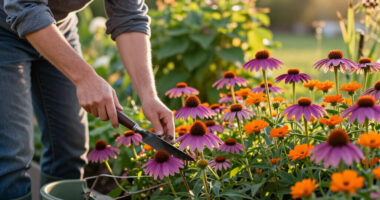
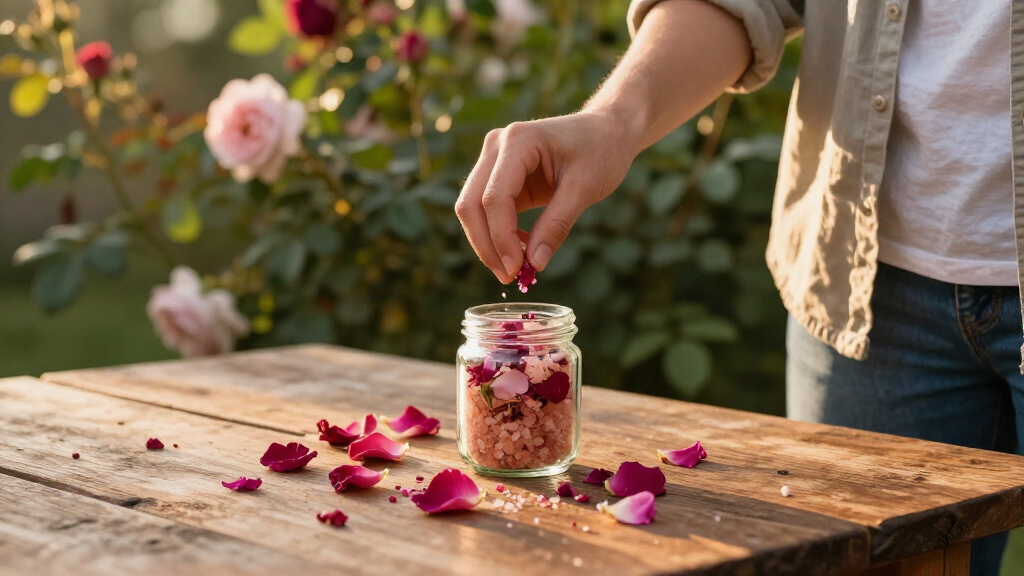
The baker, who prefers to remain anonymous, shared that she harvests petals from her garden roses and processes them to create a fragrant, edible salt. She claims that this rose salt enhances the flavor of her brownies and other baked goods, making them stand out. The process involves drying the petals, grinding them into a powder, and mixing them with coarse salt, creating a colorful, aromatic seasoning.
Search interest in homemade rose salt and related recipes has surged over the past few weeks, according to online trend monitoring tools. While some food enthusiasts are experimenting with similar techniques, there is no official confirmation or widespread commercial adoption of this method. Experts note that making edible salts from garden flowers is possible but requires careful handling to ensure safety and quality.
The baker emphasizes that her method is a personal secret, and she has not yet shared detailed instructions publicly. She says her goal is to create a unique, natural flavor that elevates her desserts, particularly her signature brownies, which she claims are now more popular than ever.
Why Homemade Rose Salt Sparks Growing Interest
This trend reflects a broader movement toward natural, homemade flavorings in cooking and baking. As consumers seek unique, personalized ingredients, techniques like making rose salt from garden petals offer a way to add distinctive flavors without artificial additives. The rising interest also highlights a desire for sustainable, self-sufficient culinary practices, especially among home cooks and food enthusiasts.
Although the practice is still in early stages and largely anecdotal, it demonstrates how traditional garden ingredients can be repurposed into gourmet elements. If adopted more widely, it could influence small-scale artisanal food production and inspire new flavor combinations in home baking.
As an affiliate, we earn on qualifying purchases.
Garden-to-Table: The Growing Trend of Homemade Edible Salts
Over recent years, there has been increasing interest in DIY food projects, from fermenting vegetables to infusing oils. The trend toward creating edible salts from herbs, flowers, and other garden ingredients is part of this movement. Historically, salt has been a key preservative and flavor enhancer, and modern home cooks are exploring ways to personalize it using their own garden harvests.
While commercial edible salts infused with herbs and flowers are available, homemade versions offer the advantage of customization and freshness. The recent spike in online searches suggests that more people are experimenting with making their own, driven by a desire for natural and distinctive ingredients.
It is important to note that this trend is still emerging, with no verified commercial products or standardized methods. The process involves some risk if not done carefully, particularly regarding food safety and pet safety if the salt is stored improperly or used inappropriately.
“Making rose salt from my garden petals has transformed my baking. It’s my secret ingredient for the best brownies in town.”
— anonymous home baker
Unconfirmed Details About the Technique and Adoption
It is not yet clear how widespread the practice of making rose salt from garden petals truly is. The specific method used by the baker remains undisclosed, and there is no verified scientific or culinary validation of the process. Safety considerations, such as ensuring the petals are pesticide-free and properly dried, are also not confirmed.
Additionally, it is unknown whether this trend will expand beyond individual experiments or remain a niche hobby. The long-term viability and potential commercial interest in such homemade salts are still unconfirmed.
Potential for Broader Adoption and Formal Guidance
As interest continues to grow, more home cooks may experiment with making their own edible salts from garden ingredients. Food bloggers and culinary influencers could share detailed recipes and safety tips, helping to legitimize and standardize the process. Researchers and food safety authorities might also evaluate the safety and nutritional aspects of homemade flower salts.
In the coming months, it remains to be seen whether this trend will lead to new commercial products or remain a personal culinary craft. Authorities and industry players could monitor the development for potential safety guidelines or market opportunities.
Key Questions
Is making rose salt from garden petals safe?
Making edible salts from garden petals can be safe if petals are pesticide-free, thoroughly dried, and processed hygienically. However, safety cannot be guaranteed without proper handling and verification, so caution is advised.
How do I make rose salt at home?
While the specific method used by the baker is not publicly available, general steps include harvesting fresh petals, drying them completely, grinding them into a powder, and mixing with coarse salt. It is recommended to research safe practices and avoid using treated or contaminated flowers.
Can rose salt be used in all recipes?
Rose salt can add a floral, aromatic flavor to baked goods and savory dishes, but it should be used sparingly to avoid overpowering other flavors. Experimentation is recommended to determine the right balance.
Will this trend become commercially available?
It is currently uncertain whether homemade rose salt will lead to commercial products. The trend is still emerging, and wider adoption depends on safety validation, consumer interest, and potential market development.
Are there any risks associated with using garden flowers in cooking?
Yes, flowers from gardens may be treated with pesticides or chemicals, which can be harmful if ingested. Only flowers confirmed to be pesticide-free and edible should be used, and proper drying and handling are essential.
Source: rss
Halloween Picks
halloween
As an affiliate, we earn on qualifying purchases.