
TL;DR

Get garden gear delivered free with Prime
- Fast, free delivery on millions of items
- Prime Video, Amazon Music and more included
- Member-only deals all year
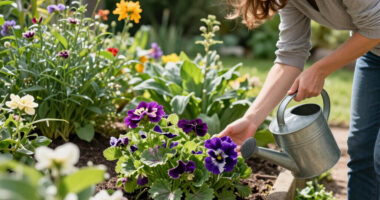
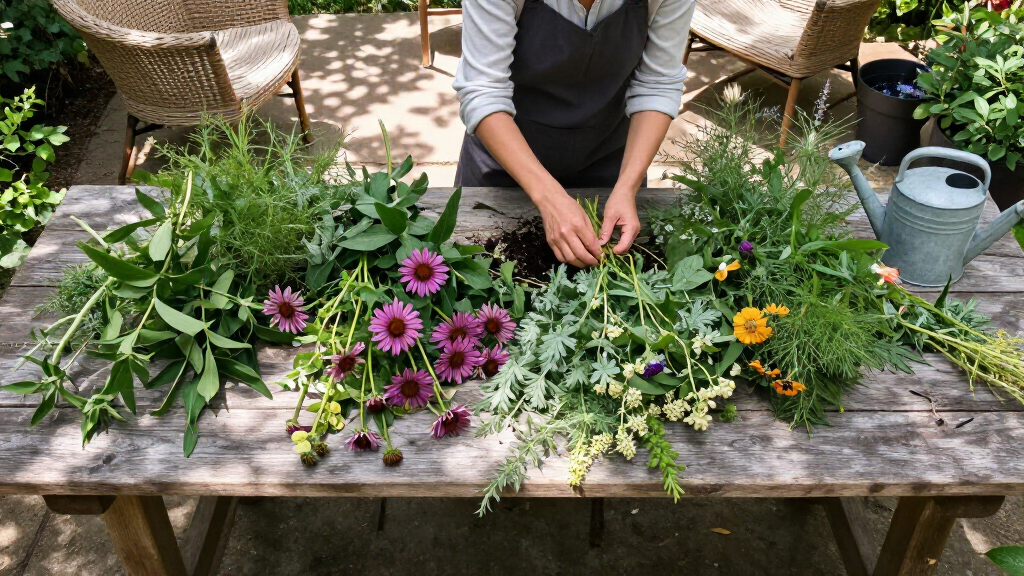
Garden enthusiasts are increasingly advocating for a more relaxed approach to perennial care, allowing six specific plants to thrive when left to grow freely. This shift highlights benefits for garden health and aesthetics, emphasizing the value of natural growth.
Gardeners are advised to stop overly tidying six popular perennial plants, as experts say allowing them to grow more naturally can improve their appearance and health. This approach challenges traditional practices of regular pruning and shaping, offering a new perspective on garden maintenance.
According to horticultural experts, six perennial plants— including lavender, coneflowers, black-eyed Susans, bee balm, sedum, and coreopsis— tend to look better when left to grow with minimal intervention. These plants often develop more natural, appealing forms and become more resilient to pests and diseases when not constantly pruned.
Research and anecdotal evidence suggest that allowing these perennials to go a little wild can lead to a more vibrant and ecologically beneficial garden. You might also consider turn your yard into a migrating bird’s favorite stop by adding certain elements to your garden. For instance, lavender and coneflowers, when left untrimmed, produce more flowers and attract beneficial insects, supporting local ecosystems.
Gardening specialists emphasize that this approach does not mean neglect; rather, it involves strategic letting go of strict tidiness, which can sometimes undermine the plants’ natural growth patterns and overall vitality. To help support this natural growth, learn how to prevent ticks in your yard effectively.
Why Letting Go of Perennials Benefits Gardens
This shift in gardening philosophy could lead to healthier, more resilient plants and a more sustainable gardening practice. By reducing the need for frequent pruning and maintenance, gardeners can save time and resources while supporting local biodiversity. Additionally, the aesthetic appeal of more natural, less manicured gardens is increasingly appreciated, especially in the context of eco-friendly landscaping.
Experts note that this approach aligns with broader ecological principles, promoting habitat diversity and reducing chemical use, which benefits both the environment and gardeners.
As an affiliate, we earn on qualifying purchases.
Traditional Gardening Practices vs. Natural Growth
Historically, garden maintenance has emphasized regular pruning and shaping to achieve a tidy appearance. This practice, rooted in Victorian-era gardening, aimed to create formal, symmetrical landscapes. However, recent trends favor a more relaxed, natural aesthetic, partly driven by ecological concerns and a desire for less labor-intensive gardening.
In recent years, horticultural research has increasingly supported the idea that some plants perform better and look more attractive when left to grow freely. This shift is reflected in the growing popularity of ‘wildflower’ gardens and organic gardening methods.
The six perennials highlighted— lavender, coneflowers, black-eyed Susans, bee balm, sedum, and coreopsis— have been identified as particularly suited to this approach based on their growth habits and ecological benefits.
Uncertainties About Long-Term Effects of Less Maintenance
While anecdotal and emerging research support this approach, long-term studies on the health and resilience of these perennials when left largely unmanaged are still limited. It remains unclear how widespread adoption of this method will impact garden ecosystems over decades, and whether certain conditions or climates might influence outcomes differently.Next Steps for Gardeners Considering a Natural Approach
Gardeners interested in adopting this less-tidy approach should start gradually, observing how their plants respond over the growing season. Experts recommend allowing a bit more natural growth while monitoring plant health and flowering. Further research and community sharing of experiences are expected to refine best practices for this method.
Gardening organizations and horticultural societies may soon offer more detailed guidance and workshops on how to implement natural growth strategies effectively, especially for these six perennials.
Key Questions
Which six perennials are recommended for a more natural growth approach?
The six plants are lavender, coneflowers, black-eyed Susans, bee balm, sedum, and coreopsis.
Will letting perennials grow wild harm their health?
Experts suggest that, when done strategically, minimal intervention can actually improve plant resilience and flowering, though ongoing observation is advised.
Does this approach suit all climates and garden types?
This method is generally suitable for many temperate regions, but results may vary based on local conditions. Gardeners should adapt strategies accordingly.
How much should I stop pruning my perennials?
Start by reducing pruning frequency and allow plants to develop their natural form during the growing season, monitoring their health along the way.
Are there ecological benefits to letting perennials grow wild?
Yes, less intervention can support pollinators, increase biodiversity, and reduce the need for chemical treatments, benefiting the environment.
Source: rss
Halloween Picks
halloween
As an affiliate, we earn on qualifying purchases.