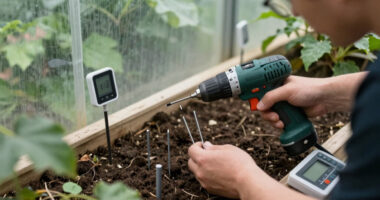

Permaculture design offers a sustainable approach to creating productive, resilient landscapes that work with nature rather than against it. The best resources provide step-by-step guidance, practical layouts, and deep ecological insights. Gaia’s Garden stands out as the top overall pick for its comprehensive coverage and user-friendly approach, while Sepp Holzer’s Permaculture offers a more specialized manual for small-scale, innovative farming. The main challenge for buyers is balancing depth of information with accessibility—more detailed guides can be overwhelming, but simpler ones may lack comprehensive strategies. Keep reading for a detailed breakdown of each option to find the best fit for your permaculture journey.

Get garden gear delivered free with Prime
- Fast, free delivery on millions of items
- Prime Video, Amazon Music and more included
- Member-only deals all year
Complete the kit


Key Takeaways
- The top-ranked permaculture books balance practical step-by-step instructions with ecological principles.
- Beginners benefit most from guides that combine simple layouts with foundational concepts, like Gaia’s Garden.
- Advanced growers should prioritize manuals that delve into water management, soil science, and systems design, such as Permaculture: A Designers’ Manual.
- Price and depth of content often correlate—more comprehensive guides tend to be more expensive but offer better long-term value.
- Multiple authors provide unique perspectives, with some focusing on small-scale urban setups and others on large rural systems.
| Gaia’s Garden: A Guide to Home-Scale Permaculture, 2nd Edition |  | Best for Home Gardeners Seeking Practical Permaculture Guidance | Edition: 2nd Edition | Pages: 336 pages | Focus: Home-scale permaculture design | VIEW ON AMAZON | See Our Full Breakdown |
| The Permaculture Garden: A Practical Approach to Year-Round Harvests |  | Best for Gardeners Interested in Continuous Harvests and Sustainability | Pages: 240 pages | Focus: Year-round harvests | Audience: Gardeners of all experience levels | VIEW ON AMAZON | See Our Full Breakdown |
| The Resilient Farm and Homestead, Revised and Expanded Edition |  | Best for Large-Scale, Resilient Farm Systems | Pages: 512 pages | Focus: Farm and homestead resilience | Edition: Revised and Expanded | VIEW ON AMAZON | See Our Full Breakdown |
| Small Scale Permaculture – A Permaculture Design Manual for Home Growers (Urban Homesteading) |  | Best for Urban Homesteaders and Small-Scale Food Producers | Pages: 180 pages | Focus: Urban permaculture design | Audience: Urban homesteaders and small-scale growers | VIEW ON AMAZON | See Our Full Breakdown |
| Permaculture Gardening for Everyone: How to Use Permaculture to Grow Abundantly at Home |  | Best for Beginners and Experienced Gardeners Seeking a Comprehensive Intro | Pages: 220 pages | Focus: Home permaculture gardening | Audience: Beginners and experienced gardeners alike | VIEW ON AMAZON | See Our Full Breakdown |
| Sepp Holzer’s Permaculture: A Practical Guide to Small-Scale, Integrative Farming and Gardening |  | Best for Small-Scale, Resilient Farming | Format: Paperback | Pages: 192 | Language: English | VIEW ON AMAZON | See Our Full Breakdown |
| Permaculture Design: A Step-by-Step Guide |  | Best for Beginners and Practical Permaculture Planning | Format: Paperback | Pages: 240 | Language: English | VIEW ON AMAZON | See Our Full Breakdown |
| Think Like an Ecosystem: An Introduction to Permaculture, Water Systems, Soil Science, and Landscape Design |  | Best for Ecosystem-Wide, Holistic Permaculture | Format: Paperback | Pages: 180 | Language: English | VIEW ON AMAZON | See Our Full Breakdown |
| Permaculture: A Designers’ Manual, Chapter 1 |  | Best for Formal Permaculture Design Foundations | Format: PDF/eBook | Pages: 35 | Language: English | VIEW ON AMAZON | See Our Full Breakdown |
| The Permaculture Earthworks Handbook: How to Design and Build Swales, Dams, Ponds, and Other Water Harvesting Systems |  | Best for Water System Design and Construction | Format: Hardcover | Pages: 256 | Language: English | VIEW ON AMAZON | See Our Full Breakdown |
| Introduction to Permaculture |  | Best for Beginners Seeking a Solid Foundation | Page Count: 240 pages | Publication Year: 2010 | Intended Audience: Beginners and casual permaculture enthusiasts | VIEW ON AMAZON | See Our Full Breakdown |
| Permaculture: A Designers’ Manual |  | Best for Advanced Practitioners and Experienced Designers | Page Count: 550 pages | Publication Year: 1981 | Intended Audience: Advanced practitioners and ecological designers | VIEW ON AMAZON | See Our Full Breakdown |
| Permaculture Gardening Handbook: The 9-Step Hands-On Beginners Guide to Design a Self-Sustaining Ecosystem |  | Best for Beginners Wanting a Practical, Step-by-Step Approach | Page Count: 150 pages | Publication Year: 2023 | Intended Audience: Beginners and DIY permaculture enthusiasts | VIEW ON AMAZON | See Our Full Breakdown |
| Edible Landscapes Made Simple: A Beginner’s Guide to Sustainable Permaculture Gardening with Easy-to-Follow Action Steps |  | Best for Absolute Beginners Interested in Edible Gardens | Page Count: 120 pages | Publication Year: 2023 | Intended Audience: Beginners and eco-conscious gardeners | VIEW ON AMAZON | See Our Full Breakdown |
| permaculture design | Publication Year | Pages | Author | Format |
|---|---|---|---|---|
| Gaia’s Garden: A Guide to Home | — | 336 pages | Toby Hemenway | Print and digital |
| The Permaculture Garden: A Pra | 2022 | 240 pages | Stewart Smith | |
| The Resilient Farm and Homeste | 2021 | 512 pages | P. A. Yeomans | — |
| Small Scale Permaculture | 2020 | 180 pages | Lena Henry | |
| Permaculture Gardening for Eve | 2023 | 220 pages | Rosemary M. Porter | |
| Sepp Holzer’s Permaculture: A | 2015 | 192 | Sepp Holzer | Paperback |
| Permaculture Design: A Step-by | 2010 | 240 | Ross Mars | Paperback |
| Think Like an Ecosystem: An In | 2022 | 180 | Lynn Miller | Paperback |
| Permaculture: A Designers’ Man | 2020 | 35 | Bill Mollison | PDF/eBook |
| The Permaculture Earthworks Ha | 2015 | 256 | David Bainbridge | Hardcover |
| Introduction to Permaculture | 2010 | — | — | — |
| Permaculture: A Designers’ Man | 1981 | — | — | — |
| Permaculture Gardening Handboo | 2023 | — | — | — |
| Edible Landscapes Made Simple: | 2023 | — | — | — |
More Details on Our Top Picks
Gaia’s Garden: A Guide to Home-Scale Permaculture, 2nd Edition
This book stands out for its clear, step-by-step approach to designing sustainable gardens tailored for home environments. Unlike more comprehensive farm-scale texts like The Resilient Farm and Homestead, Gaia’s Garden focuses on small-scale, manageable projects that produce tangible results. Its strength lies in practical techniques that empower home gardeners to implement permaculture principles without extensive prior knowledge. However, its limited scope to garden design means it lacks broader farm or landscape strategies. This makes it ideal for individuals wanting straightforward, actionable advice for their backyard but less suited for those aiming to overhaul large-scale systems.
Pros:- Clear, accessible guidance tailored for home gardens
- Focus on practical, easy-to-implement techniques
- Suitable for beginners and experienced gardeners alike
Cons:- Limited to small-scale garden design, lacking broader ecosystem planning
- No detailed technical specifications or advanced design tools
Best for: Home gardeners and urban dwellers looking to create eco-friendly, productive landscapes in small spaces
Not ideal for: Farmers or landscape professionals seeking comprehensive, large-scale permaculture design strategies
- Edition:2nd Edition
- Pages:336 pages
- Focus:Home-scale permaculture design
- Audience:Beginners to intermediate gardeners
- Format:Print and digital
- Author:Toby Hemenway
Our verdict“This book offers practical, hands-on permaculture advice perfect for home gardeners aiming for sustainable, productive landscapes.”
The Permaculture Garden: A Practical Approach to Year-Round Harvests
This book makes a strong case for designing gardens that produce harvests throughout the year, setting it apart from more general permaculture guides like Permaculture Gardening for Everyone. Its focus on sustainable practices and ecosystem management appeals to those who want reliable yields without intensive intervention. Compared to Gaia’s Garden, which emphasizes foundational design, this book zeroes in on year-round productivity, which can be more motivating for food-focused gardeners. Its limited content depth might leave readers wanting more technical detail, but for those seeking consistent harvests, it offers practical, easy-to-follow strategies.
Pros:- Focus on sustainable, continuous food production
- Suitable for all experience levels
- Practical tips for ecosystem management
Cons:- Limited depth on technical design details
- Lacks comprehensive planning tools for larger projects
Best for: Gardeners eager to maximize food production with sustainable, seasonal techniques
Not ideal for: Beginners seeking a broad overview of permaculture concepts without specific harvest-focused strategies
- Pages:240 pages
- Focus:Year-round harvests
- Audience:Gardeners of all experience levels
- Format:Print
- Author:Stewart Smith
- Publication Year:2022
Our verdict“Ideal for food-focused gardeners wanting reliable, year-round harvests through sustainable permaculture practices.”
The Resilient Farm and Homestead, Revised and Expanded Edition
This extensive volume offers deep insights into permaculture principles, drawing from over 20 years of experience, making it more comprehensive than Gaia’s Garden or Permaculture Gardening for Everyone. It covers a broad range of topics, from food systems to water management, ideal for those planning resilient farms or homesteads. Unlike the more garden-centric books, this edition emphasizes building systems that withstand environmental and economic stresses. The detailed coverage and experience-based strategies come at the expense of accessibility for beginners, making it better suited for serious practitioners or professionals seeking a complete, systemic approach.
Pros:- In-depth, comprehensive coverage of permaculture systems
- Based on 20 years of practical experience
- Revised and expanded with current insights
Cons:- Lacks specific technical features or step-by-step instructions
- Potentially overwhelming for beginners
Best for: Experienced farmers and homesteaders designing resilient, self-sufficient systems
Not ideal for: Beginners or urban gardeners seeking straightforward, small-scale guidance
- Pages:512 pages
- Focus:Farm and homestead resilience
- Edition:Revised and Expanded
- Author:P. A. Yeomans
- Publication Year:2021
- Audience:Practitioners and advanced students
Our verdict“This book is best for experienced practitioners aiming to develop resilient, large-scale permaculture systems with a systems-thinking approach.”
Small Scale Permaculture – A Permaculture Design Manual for Home Growers (Urban Homesteading)
This manual offers targeted strategies for urban growers aiming to implement permaculture in limited spaces. Compared with Gaia’s Garden, which covers general principles, this book emphasizes practical design solutions specifically suited for urban environments, such as balcony gardens or small yards. Its focus on small-scale food production and sustainable living makes it ideal for city dwellers. However, its lack of detailed technical instructions and absence of advanced design tools might frustrate those seeking in-depth guidance or larger system planning. It excels as a quick reference for urban permaculture design but isn’t suited for larger or more complex projects.
Pros:- Tailored for small, urban spaces
- Provides practical, actionable design strategies
- Suitable for beginners and urban dwellers
Cons:- Limited technical details or advanced planning tools
- Not ideal for large-scale or complex projects
Best for: Urban homesteaders and small-scale food producers looking for practical design ideas
Not ideal for: Rural farmers or landscape designers seeking comprehensive, large-scale permaculture plans
- Pages:180 pages
- Focus:Urban permaculture design
- Audience:Urban homesteaders and small-scale growers
- Format:Print
- Author:Lena Henry
- Publication Year:2020
Our verdict“A practical guide for city-based growers seeking simple, effective permaculture solutions for small spaces.”
Permaculture Gardening for Everyone: How to Use Permaculture to Grow Abundantly at Home
This book makes an accessible entry point into permaculture gardening, emphasizing practical techniques suitable for all skill levels. Unlike the more technical The Permaculture Earthworks Handbook, it offers a broad overview that appeals to those new to permaculture or looking for sustainable gardening methods. It covers core principles and methods with clear explanations, making it a good starting resource. However, it doesn’t delve into advanced design or technical specifications, which might leave experienced practitioners wanting more detailed plans. This makes it an ideal primer for beginners but less useful for seasoned permaculturists seeking in-depth technical guidance.
Pros:- Accessible and easy to understand for all skill levels
- Focuses on practical, sustainable gardening techniques
- Suitable for both beginners and seasoned gardeners
Cons:- Lacks detailed technical specifications or advanced design guidance
- No customer reviews available for validation
Best for: Beginners and experienced gardeners seeking a straightforward, comprehensive introduction to permaculture gardening
Not ideal for: Experienced permaculture designers or those seeking detailed technical or large-scale systems
- Pages:220 pages
- Focus:Home permaculture gardening
- Audience:Beginners and experienced gardeners alike
- Format:Print
- Author:Rosemary M. Porter
- Publication Year:2023
Our verdict“A highly approachable guide perfect for newcomers and gardeners wanting to incorporate permaculture principles into their home gardens.”
Sepp Holzer’s Permaculture: A Practical Guide to Small-Scale, Integrative Farming and Gardening
This book stands out for its focus on practical, small-scale permaculture techniques tailored to creating resilient, productive landscapes. Compared with more theoretical texts like Permaculture: A Designers’ Manual, it offers actionable strategies for gardeners and small farmers. However, it lacks detailed step-by-step instructions, making it less ideal for absolute beginners or those seeking a comprehensive manual. Its emphasis on sustainability and resilience makes it perfect for those wanting to develop robust, low-input systems.
Pros:- Provides practical permaculture techniques tailored for small-scale setups
- Focuses on creating sustainable, resilient landscapes
- Suitable for both gardening and farming applications
Cons:- Lacks detailed, step-by-step instructions for implementation
- May require prior gardening or farming experience to fully utilize
Best for: Small-scale farmers and gardeners seeking practical, resilient permaculture methods
Not ideal for: Beginners looking for detailed step-by-step instructions or extensive technical diagrams
- Format:Paperback
- Pages:192
- Language:English
- Publication Year:2015
- Author:Sepp Holzer
- ISBN:9781603583704
Our verdict“This book is ideal for those interested in practical, resilient permaculture on a small scale who already have some gardening experience.”
Permaculture Design: A Step-by-Step Guide
This pick makes the most sense for newcomers or those wanting a clear, structured approach, offering straightforward, step-by-step guidance on permaculture design. Unlike Think Like an Ecosystem, which covers ecosystem principles more broadly, it emphasizes practical design steps that can be applied across various environments. Its simplicity is a strength but could be a limitation for experienced designers needing advanced technical details or climate-specific advice. Its accessible structure helps new practitioners implement foundational permaculture concepts confidently.
Pros:- Provides clear, step-by-step permaculture design guidance
- Suitable for beginners and experienced practitioners alike
- Encourages sustainable and eco-friendly practices
Cons:- Lacks detailed technical diagrams for complex design elements
- Limited focus on specific climate zones or advanced design nuances
Best for: Beginners or hobbyists wanting an easy-to-follow permaculture design process
Not ideal for: Advanced practitioners seeking in-depth technical diagrams or zone-specific strategies
- Format:Paperback
- Pages:240
- Language:English
- Publication Year:2010
- Author:Ross Mars
- ISBN:9781856230914
Our verdict“This guide is perfect for those new to permaculture who prefer structured, easy-to-follow instructions over technical complexity.”
Think Like an Ecosystem: An Introduction to Permaculture, Water Systems, Soil Science, and Landscape Design
This book offers a broad overview of permaculture principles, emphasizing water management, soil health, and landscape design, making it suitable for those interested in ecosystem-level thinking. Compared with Sepp Holzer’s more practical small-scale techniques, it provides a more holistic understanding of ecological interactions. However, its lack of detailed technical instructions and absence of case studies may limit its usefulness for hands-on implementation. It’s ideal for readers wanting a solid theoretical foundation combined with practical ecosystem insights.
Pros:- Provides a comprehensive overview of permaculture and ecosystem design
- Includes practical insights into water systems and soil science
- Suitable for both beginners and experienced practitioners
Cons:- Lacks detailed technical instructions for implementation
- No specific case studies to illustrate concepts in action
Best for: Environmental enthusiasts and landscape designers seeking a broad, ecosystem-centered perspective
Not ideal for: Beginners requiring step-by-step guidance or technical how-to instructions
- Format:Paperback
- Pages:180
- Language:English
- Publication Year:2022
- Author:Lynn Miller
- ISBN:B09WB1QDD9
Our verdict“This book is best suited for those wanting a holistic understanding of permaculture ecosystems without needing detailed technical guides.”
Permaculture: A Designers’ Manual, Chapter 1
This chapter offers a dense, foundational overview of permaculture principles, making it ideal for those interested in the theoretical underpinnings of ecological design. Unlike Sepp Holzer’s, which focuses on practical techniques, this manual provides a broad conceptual framework for designers and sustainability enthusiasts. Its lack of detailed practical applications and its focus on initial concepts make it less suitable for hands-on learners or those seeking immediate application. It’s best as a starting point for in-depth understanding rather than direct implementation.
Pros:- Provides a comprehensive introduction to permaculture principles
- Useful for understanding foundational ideas and design philosophy
- Valuable for designers and sustainability students
Cons:- Lacks detailed practical applications or step-by-step instructions
- Chapter-specific content may not cover entire manual or full project scope
Best for: Designers and students seeking a solid theoretical grounding in permaculture principles
Not ideal for: Practitioners looking for step-by-step guides or specific landscape solutions
- Format:PDF/eBook
- Pages:35
- Language:English
- Author:Bill Mollison
- Publication Year:2020
- ISBN:B0CV4LPFJV
Our verdict“This chapter is suitable for those wanting a deep conceptual understanding of permaculture before applying practical designs.”
The Permaculture Earthworks Handbook: How to Design and Build Swales, Dams, Ponds, and Other Water Harvesting Systems
This handbook excels in offering detailed, practical guidance on designing earthworks like swales, dams, and ponds, making it a key resource for water harvesting in permaculture landscapes. Compared with broader texts like Sepp Holzer’s, it specializes in water systems, providing step-by-step instructions for construction that can transform landscapes into resilient, water-efficient environments. Its technical depth makes it less suitable for complete beginners without some earthwork experience, but for serious landscape designers, it offers invaluable detailed guidance.
Pros:- Provides detailed, practical instructions for earthworks construction
- Covers a wide range of water harvesting techniques
- Essential resource for sustainable landscape water management
Cons:- Content can be highly technical for beginners with no earthwork experience
- No specific pricing or customer ratings available
Best for: Landscape designers and permaculture practitioners focused on water harvesting and earthworks
Not ideal for: Beginners or those seeking general permaculture principles without technical earthwork details
- Format:Hardcover
- Pages:256
- Language:English
- Author:David Bainbridge
- Publication Year:2015
- ISBN:086571844X
Our verdict“This manual is ideal for those ready to design and build advanced water harvesting systems in permaculture landscapes.”
Introduction to Permaculture
This book stands out for providing a clear, accessible overview of permaculture principles, making it ideal for those new to the field. Unlike Permaculture: A Designers’ Manual, which dives deeply into technical design strategies, this guide offers practical insights without overwhelming readers. Its focus on fundamental concepts makes it perfect for beginners and casual practitioners, but the lack of detailed case studies or specific plant information means it falls short for those seeking advanced technical guidance. Practical design strategies help newcomers grasp core ideas quickly, though the absence of detailed examples may leave some gaps for experienced permaculturists.
Pros:- Clear, accessible overview of permaculture principles
- Practical strategies suitable for beginners
- Good for building foundational understanding
Cons:- Lacks detailed case studies for real-world application
- Limited information on specific plant species and technical design
Best for: Beginners and hobbyists looking for a comprehensive, easy-to-understand introduction to permaculture principles.
Not ideal for: Experienced practitioners seeking in-depth technical details or specific plant and landscape design guidance.
- Page Count:240 pages
- Publication Year:2010
- Intended Audience:Beginners and casual permaculture enthusiasts
Our verdict“This book is best suited for newcomers wanting a solid, practical introduction to permaculture basics without technical complexity.”
Permaculture: A Designers’ Manual
This manual offers comprehensive, detailed guidance on permaculture design principles, making it the go-to resource for serious practitioners. Compared with Introduction to Permaculture, which simplifies concepts, this book provides in-depth coverage suited for those who want to master ecological land use. Its thorough approach appeals to both advanced practitioners and those seeking a structured, technical reference. However, the lack of specific product features or customer reviews means it may feel less accessible to beginners or those seeking practical step-by-step instructions for immediate application. In-depth coverage makes it invaluable for experienced designers, though the absence of practical examples may challenge newcomers.
Pros:- Extensive coverage of permaculture principles
- Suitable for both beginners and advanced users
- Serves as a comprehensive design reference
Cons:- Lacks practical step-by-step instructions
- No detailed product features or customer ratings
Best for: Seasoned permaculture designers, land managers, and students seeking an authoritative, detailed manual.
Not ideal for: Beginners or casual gardeners who need straightforward, beginner-friendly guidance.
- Page Count:550 pages
- Publication Year:1981
- Intended Audience:Advanced practitioners and ecological designers
Our verdict“This manual is ideal for experienced practitioners and students who require an in-depth, authoritative resource for complex design projects.”
Permaculture Gardening Handbook: The 9-Step Hands-On Beginners Guide to Design a Self-Sustaining Ecosystem
This handbook makes permaculture accessible for newcomers with its practical, 9-step process for designing self-sustaining ecosystems. Unlike Introduction to Permaculture, which offers an overview, this guide emphasizes actionable steps tailored for beginners eager to build their own ecosystems. While it covers essential principles, it does not include detailed technical specifications or visuals, which may limit its usefulness for those needing more technical guidance. Nonetheless, its straightforward approach helps lay a solid foundation for aspiring permaculturists who want to start small and learn by doing.
Pros:- Clear, practical 9-step process
- Great for beginners focused on hands-on learning
- Focus on sustainable ecosystem design
Cons:- Lacks detailed technical specifications
- No visuals or diagrams to support understanding
Best for: Beginners interested in creating their own sustainable, self-sufficient gardens or ecosystems with clear, manageable steps.
Not ideal for: Experienced permaculture practitioners seeking detailed technical data or advanced landscape design strategies.
- Page Count:150 pages
- Publication Year:2023
- Intended Audience:Beginners and DIY permaculture enthusiasts
Our verdict“This guide is perfect for beginners who want a straightforward, actionable plan to develop self-sustaining permaculture gardens.”
Edible Landscapes Made Simple: A Beginner’s Guide to Sustainable Permaculture Gardening with Easy-to-Follow Action Steps
This book provides a straightforward introduction to creating edible landscapes through sustainable permaculture practices, making it accessible for absolute beginners. Compared with Introduction to Permaculture, which covers broad principles, this book focuses on actionable steps for establishing food-producing landscapes, emphasizing simplicity and practicality. While it’s ideal for those new to gardening, its content may feel too basic for experienced gardeners looking for detailed design strategies or technical specifications. The included action steps help users make immediate progress in creating eco-friendly, edible gardens.
Pros:- Easy-to-follow guidance for beginners
- Focus on creating edible landscapes
- Practical steps for immediate action
Cons:- No detailed product features or specifications
- Content may be too basic for advanced gardeners
Best for: Complete beginners eager to start growing their own food using simple permaculture principles.
Not ideal for: Experienced gardeners or permaculture enthusiasts seeking in-depth technical guidance or complex landscape design tips.
- Page Count:120 pages
- Publication Year:2023
- Intended Audience:Beginners and eco-conscious gardeners
Our verdict“This book is best suited for absolute beginners wanting an easy, practical approach to edible permaculture landscapes.”

How We Picked
To evaluate these permaculture design resources, I focused on clarity of instruction, depth of ecological insight, practical usability, and overall comprehensiveness. The best guides offer a balance of theoretical foundation and actionable steps, making them suitable for a wide range of skill levels. I also considered the reputation of the authors and the clarity of visual aids, since diagrams and layouts are essential in permaculture planning. The ranking reflects which books provide the most value for different types of growers, from beginners to experienced practitioners, ensuring that each guide addresses common challenges and tradeoffs in permaculture design.| permaculture design | Format |
|---|---|
| Gaia’s Garden: A Guide to Home | Print and digital |
| The Permaculture Garden: A Pra | |
| The Resilient Farm and Homeste | — |
| Small Scale Permaculture | |
| Permaculture Gardening for Eve | |
| Sepp Holzer’s Permaculture: A | Paperback |
| Permaculture Design: A Step-by | Paperback |
| Think Like an Ecosystem: An In | Paperback |
| Permaculture: A Designers’ Man | PDF/eBook |
| The Permaculture Earthworks Ha | Hardcover |
| Introduction to Permaculture | — |
| Permaculture: A Designers’ Man | — |
| Permaculture Gardening Handboo | — |
| Edible Landscapes Made Simple: | — |
Factors to Consider When Choosing Permaculture Design
Choosing the right permaculture design book depends on your experience level, project scope, and specific goals. Consider how much detail you need, whether you prefer a focus on water systems or overall landscape design, and your budget. The following factors can help you narrow down your options and avoid common pitfalls, such as selecting overly complex guides that may overwhelm beginners or too simplistic resources that lack depth for serious projects.Experience Level and Learning Style
Identify whether you’re a beginner or an experienced grower. Beginners should look for guides with clear diagrams, simple language, and step-by-step instructions. More advanced practitioners might prioritize comprehensive manuals with in-depth ecological principles and system integration strategies. Matching the book’s approach to your learning style ensures you stay motivated and can implement the concepts effectively.
Scope and Focus of the Guide
Determine if you need a general overview or a specialized manual. Some books focus on water harvesting, soil building, or urban permaculture, while others cover all aspects of landscape design. Be aware that overly narrow guides might limit your understanding, whereas overly broad ones could be overwhelming. Choose a resource aligned with your immediate needs and future plans.
Level of Detail and Practicality
Consider how much detail you require. Beginners often prefer straightforward layouts and simple projects, while seasoned growers benefit from detailed technical advice on plant guilds or water systems. Practical guides with real-world examples and visual aids tend to translate better into actionable plans, reducing guesswork and mistakes.
Cost and Long-Term Value
Price varies widely, but investing in a well-reviewed, comprehensive guide can save money and effort later by preventing costly mistakes. Cheaper books may cover basics but lack depth, leading to frustration or incomplete designs. Balance your budget with the level of detail and support you expect from the resource.
Author Credibility and Community Feedback
Look for books authored by recognized permaculture experts or those with positive reviews from the permaculture community. Credibility often correlates with the quality of advice and the accuracy of ecological principles. Community feedback can also reveal how well a guide has helped others implement successful permaculture systems.
Frequently Asked Questions
How do I choose a permaculture book for my small urban garden?
For small urban gardens, prioritize guides that focus on compact design strategies, container planting, and water efficiency. Look for books that include layouts and plant guilds suited for limited space, such as Edible Landscapes Made Simple. These resources often provide step-by-step instructions tailored for small-scale environments, helping you maximize productivity without overwhelming you with unnecessary complexity.
Are more detailed permaculture manuals worth the extra cost?
In most cases, yes. More detailed manuals tend to cover advanced topics like soil regeneration, water harvesting, and system integration, which can significantly improve your project’s success. While they may require more time to study, the in-depth knowledge can save money and effort in the long run by preventing mistakes and enabling better design. However, be sure that the complexity matches your current skill level to avoid frustration.
Can I rely on a single book for all my permaculture needs?
While some comprehensive guides provide a solid foundation, permaculture is a broad field that often benefits from multiple resources. Combining a general manual with specialized books—such as water management or soil health—can give you a more well-rounded understanding. Consider your specific goals and project scope to determine whether one guide suffices or if a collection is more appropriate.
Is it better to choose a book with lots of visuals or detailed text?
Visual aids like diagrams, charts, and layout examples are invaluable in permaculture design, especially for beginners. They help translate complex concepts into understandable, actionable plans. However, detailed text is essential for grasping ecological principles and system integration. Ideally, look for a guide that offers a good balance—clear visuals complemented by thorough explanations.
The author’s experience and reputation can significantly influence the quality of information. Well-regarded permaculture designers or educators tend to produce more accurate, practical, and innovative resources. Checking reviews and community endorsements can help verify credibility. A reputable author often provides insights rooted in real-world experience, which enhances the usefulness of the guide.
Conclusion
For newcomers, Gaia’s Garden offers a straightforward, beginner-friendly starting point to understand permaculture principles. Experienced growers seeking deep technical knowledge will find Permaculture: A Designers’ Manual invaluable for its comprehensive coverage. Those with limited space or urban settings should consider Edible Landscapes Made Simple for practical, easy-to-follow strategies. Budget-conscious buyers can prioritize well-reviewed, mid-range options, while premium choices are best for serious practitioners aiming for complex, sustainable systems. Ultimately, selecting the right resource depends on your project scope, experience level, and specific goals—use this guide to find the perfect fit for your permaculture plans.
Fall Picks
fall essentials
As an affiliate, we earn on qualifying purchases.