TL;DR

Get garden gear delivered free with Prime
- Fast, free delivery on millions of items
- Prime Video, Amazon Music and more included
- Member-only deals all year
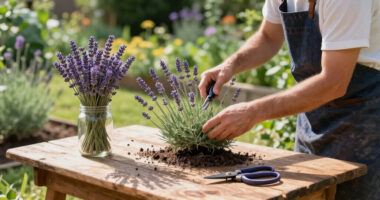
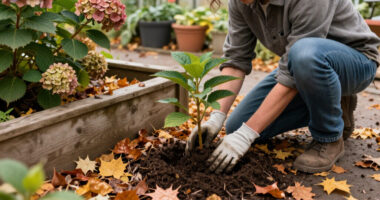
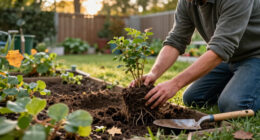
A trend in gardening tips highlights seven small hacks that can significantly improve gardening success. These practical, easy-to-implement strategies are gaining attention online. Their effectiveness is supported by experienced gardeners, though some claims remain unverified.
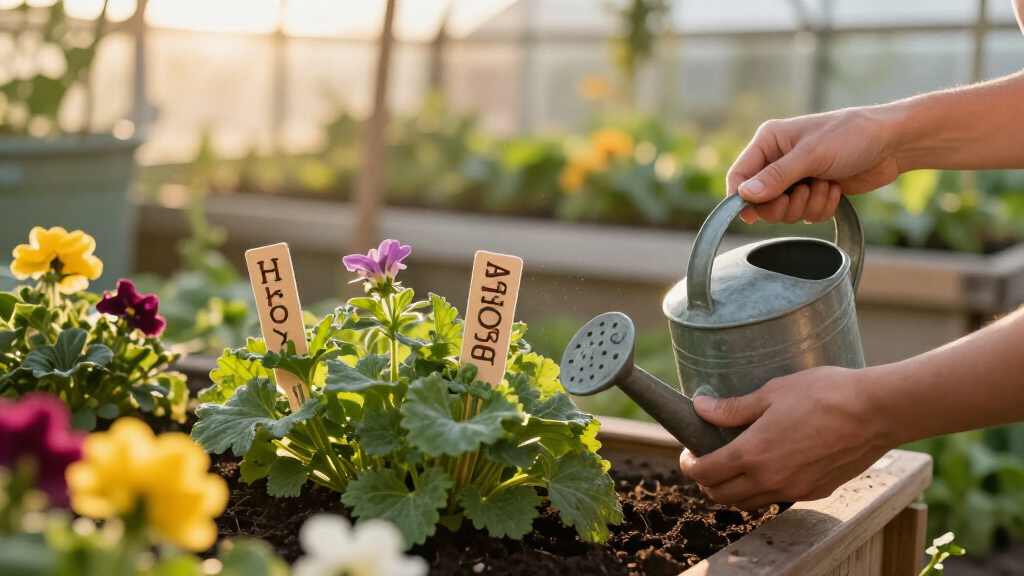
Seven small gardening hacks are gaining popularity among gardeners, promising to improve plant health, increase yields, and save time. These tips, shared widely on gardening forums and social media, are being adopted by both novice and experienced gardeners, reflecting a growing interest in practical greenhouse solutions to enhance gardening success.
The seven hacks include methods such as using coffee grounds as compost amendments, employing DIY drip irrigation with recycled bottles, applying natural pest deterrents like garlic spray, and optimizing planting times based on moon phases. While some of these techniques are supported by gardening experts, others are anecdotal and lack formal scientific validation.
Gardening enthusiasts report noticeable benefits from adopting these hacks, including healthier plants, reduced pest issues, and more efficient watering. Experts caution, however, that results can vary depending on local conditions and plant types. The trend appears to be driven by a combination of social media sharing and a desire for small greenhouse ideas to maximize gardening space.
Why These Hacks Could Change Your Gardening Approach
These hacks, if effective, could help gardeners improve plant health and yields without significant expense or effort. They also promote sustainable practices, such as recycling household waste and reducing chemical use. As interest grows, these tips could influence gardening habits on a broader scale, especially among environmentally conscious gardeners seeking accessible, low-impact methods.
garden drip irrigation kit recycled bottles
As an affiliate, we earn on qualifying purchases.
As an affiliate, we earn on qualifying purchases.
Growing Interest in Practical Gardening Tips
The surge in online searches and social media posts about small gardening hacks suggests a broader trend toward DIY, sustainable, and cost-effective gardening practices. While many of these tips have circulated for years, recent spikes in interest may be linked to increased gardening activity during recent years of home-focused lifestyles. However, the specific triggers for this trend remain unconfirmed, and some claims are anecdotal rather than scientifically proven.
Unverified Claims and Need for Scientific Validation
While many gardeners report positive results from these hacks, scientific validation is limited for several of the methods. It is not yet clear how universally effective these tips are or whether they might have unintended consequences under certain conditions. Further research and controlled studies are needed to confirm their efficacy.
Next Steps for Gardeners and Researchers
Gardeners are encouraged to try these hacks on a small scale and observe results carefully. Researchers may investigate these methods further to establish scientific support or identify potential drawbacks. As the trend continues, more detailed guides and evidence-based recommendations could emerge, helping gardeners make informed choices.
Key Questions
Are these gardening hacks scientifically proven?
Some hacks, like composting with coffee grounds or natural pest deterrents, have scientific support. Others are anecdotal and lack formal validation, so gardeners should use them cautiously.
Can I safely try these hacks in my garden?
Most tips are safe to experiment with on a small scale. However, gardeners should research specific methods and consider their local climate and plant types before widespread application.
Will these hacks work for all types of gardens?
Results may vary depending on soil, climate, and plant varieties. It’s best to adapt tips to your specific gardening environment and monitor outcomes.
Are there any risks associated with these hacks?
Potential risks include overapplication of certain materials or unintended effects on soil health. Always test new methods cautiously and seek expert advice if unsure.
Where can I find more information about these hacks?
Many gardening forums, social media groups, and gardening websites are sharing these tips. Look for reputable sources and user reviews to gauge effectiveness.
Source: rss
Fall Picks
fall essentials
As an affiliate, we earn on qualifying purchases.