
TL;DR

Get garden gear delivered free with Prime
- Fast, free delivery on millions of items
- Prime Video, Amazon Music and more included
- Member-only deals all year
Street culture marketplaces are experiencing rapid growth globally, serving as hubs for local art, food, and music. This development is confirmed by recent observations and reports, highlighting their cultural and economic impact.
Street culture marketplaces, vibrant hubs for local art, food, and music, are experiencing a significant surge worldwide, drawing large crowds and revitalizing urban areas. This growth matters because it reflects a shift toward community-centered urban development and cultural preservation, confirmed by recent observations and reports.
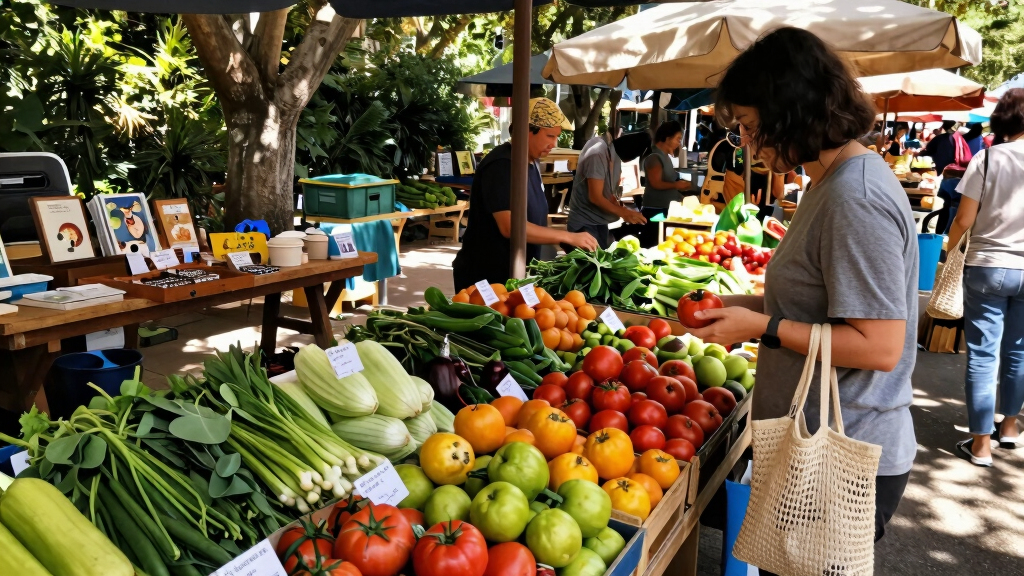
Across multiple cities in Asia, Europe, and the Americas, street marketplaces focused on local culture have expanded rapidly over the past year. These markets feature a diverse array of vendors selling handcrafted goods, traditional foods, and live performances, attracting both tourists and residents. Authorities and organizers report increased foot traffic and economic activity, with some markets doubling in size since last year.
Officials in several cities have highlighted these markets as vital to urban renewal efforts, emphasizing their role in supporting small businesses and promoting cultural heritage. Experts note that the marketplaces often serve as incubators for local artists and entrepreneurs, fostering community identity and economic resilience.
While these markets are generally seen as positive developments, some concerns about overcrowding and regulatory challenges have emerged, though details remain under discussion. The growth appears to be driven by a combination of grassroots initiatives and municipal support, with some cities actively promoting street markets as part of tourism strategies.
Impacts on Urban Culture and Economy
The expansion of street culture marketplaces signifies a shift toward more community-oriented urban spaces, emphasizing local identity and cultural expression. Economically, these markets boost small business revenues, create jobs, and attract tourism, contributing to city revitalization efforts. Their popularity underscores a growing appreciation for authentic, locally rooted experiences in urban environments.
As an affiliate, we earn on qualifying purchases.
Recent Trends in Urban Street Market Growth
Over the past year, numerous cities worldwide have reported a rise in street marketplaces centered on local culture. This trend is partly driven by increased interest in authentic experiences and support for small-scale artisans. Many markets have been established or expanded through city initiatives or grassroots efforts, often with government backing aimed at promoting cultural tourism and economic development.
Previous instances of street markets have existed for decades, but recent years have seen a marked increase in their visibility and scale, partly due to pandemic-related shifts toward outdoor, community-based activities. Cities like Barcelona, Bangkok, and Los Angeles have reported notable growth in these spaces, citing economic benefits and cultural preservation as key drivers.
“The rise of street culture marketplaces reflects a broader movement towards community-driven urban spaces that celebrate local art, food, and music.”
— an anonymous researcher
Unresolved Challenges and Regulatory Concerns
While growth is confirmed, details about potential overcrowding, regulatory hurdles, and long-term sustainability remain unclear. Some city officials and vendors have expressed concerns about managing increased foot traffic and maintaining quality standards, but comprehensive data is still emerging. It is not yet confirmed how widespread these issues will become or how cities will address them.
Future Developments and Policy Responses
Authorities and organizers are expected to implement new regulations and support measures to sustain the growth of street marketplaces while addressing challenges like overcrowding. Monitoring of economic and cultural impacts will likely continue, with some cities planning to expand support for local vendors and improve infrastructure. Further reports on the long-term viability of these markets are anticipated over the coming months.
Key Questions
What types of products are typically sold at these street markets?
They usually feature handcrafted goods, traditional foods, local art, and live performances, emphasizing cultural authenticity.
Are these markets officially supported by city governments?
Many are supported or promoted by local authorities as part of urban renewal and tourism strategies, though some operate independently.
What are the main benefits of these street marketplaces?
They support small businesses, preserve cultural heritage, attract tourism, and foster community engagement.
What challenges do these markets face?
Overcrowding, regulatory compliance, infrastructure needs, and maintaining quality standards are ongoing concerns.
Source: rss
Halloween Picks
halloween
As an affiliate, we earn on qualifying purchases.