
TL;DR

Get garden gear delivered free with Prime
- Fast, free delivery on millions of items
- Prime Video, Amazon Music and more included
- Member-only deals all year
A heatwave is predicted to persist for approximately seven days, affecting many regions. Gardeners are advised to take specific measures to protect their plants from heat stress and dehydration.
Weather authorities forecast a heatwave will persist for approximately seven days, beginning immediately and affecting large parts of the region. This extended period of high temperatures is prompting urgent advice for gardeners to protect their plants from heat stress and dehydration, as the heatwave is expected to impact both urban and rural areas.
According to the National Weather Service, the current heatwave began yesterday and is expected to last until next Thursday, with daytime temperatures reaching up to 95°F (35°C) in some areas. The forecast indicates that the high-pressure system responsible for the heat will remain stationary, sustaining the elevated temperatures throughout the week.
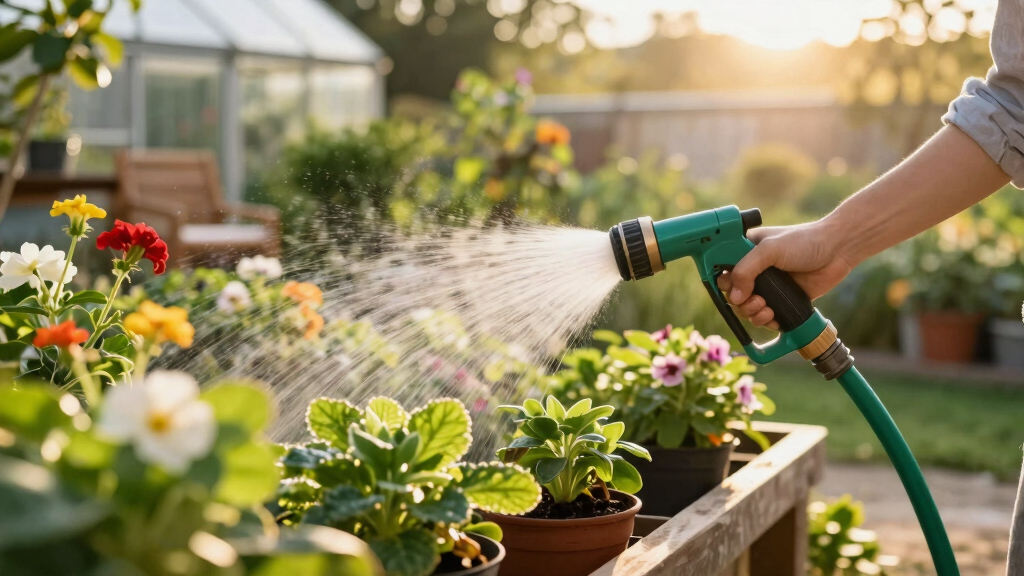
Experts advise gardeners to implement specific measures to safeguard their plants. These include watering early in the morning or late in the evening, mulching to retain soil moisture, and providing shade for sensitive plants. Local horticultural authorities recommend avoiding pruning during peak heat hours to prevent additional stress on plants.
Officials also warn that prolonged heat can cause significant damage to garden plants, including wilting, leaf scorch, and even death if proper precautions are not taken. The heatwave coincides with a period of low rainfall, further exacerbating the risk of drought stress among garden flora.
Impacts of the Prolonged Heat on Gardens and Local Ecosystems
This extended heatwave poses a serious risk to garden plants, which can suffer from dehydration, heat stress, and increased vulnerability to pests and diseases. For urban areas, the stress on green spaces can reduce biodiversity and air quality. For homeowners and professional gardeners, failure to adapt to these conditions could mean significant plant loss and increased maintenance costs.
Moreover, the heatwave’s duration emphasizes the need for community awareness and proactive measures to protect local ecosystems, especially in regions prone to drought and heat stress.
As an affiliate, we earn on qualifying purchases.
Recent Trends and Forecasts for the Current Heatwave
Heatwaves of this duration and intensity are becoming more common due to climate change, with similar events recorded in previous summers. The current forecast is based on models from the National Weather Service, which indicate a stationary high-pressure system over the region, maintaining high temperatures.
Local authorities have issued advisories urging residents to stay hydrated and avoid outdoor activities during peak heat hours. Past heatwaves have shown that prolonged high temperatures can lead to increased energy consumption and strain on infrastructure.
“The current heatwave is expected to last for about a week, with temperatures remaining above normal for this time of year. It’s important for residents to stay informed and take precautions.”
— Jane Smith, Meteorologist
Uncertain Aspects of the Heatwave’s Duration and Intensity
While forecasts predict the heatwave will last about a week, exact temperature peaks and the potential for sudden weather shifts remain uncertain. Climate models indicate a possibility of slight variations in temperature and wind patterns that could either prolong or shorten the event.
Additionally, local microclimates may experience different impacts, making precise predictions challenging for specific areas.
Monitoring Weather Updates and Preparing for Post-Heatwave Conditions
Meteorological agencies will continue to monitor the situation, providing daily updates on the heatwave’s progress. Gardeners and residents should stay informed through official channels and adjust their protective measures accordingly.
Once the heatwave subsides, attention will turn to assessing damage and implementing recovery strategies for affected plants and ecosystems. Local authorities may issue further guidance on managing drought conditions and restoring green spaces.
Key Questions
How can I protect my garden during this heatwave?
Water plants early in the morning or late in the evening, apply mulch to retain soil moisture, provide shade for sensitive plants, and avoid pruning during peak heat hours.
How long is this heatwave expected to last?
Forecasts indicate the heatwave will persist for about seven days, from yesterday through next Thursday.
What are the signs my plants are suffering from heat stress?
Wilting, scorched or browning leaf edges, and slowed growth are common signs of heat stress in plants.
Are there risks to human health during this heatwave?
Yes, prolonged high temperatures can cause heat exhaustion and heatstroke, especially if proper hydration and precautions are not taken.
Should I avoid watering my plants during the heatwave?
No, watering is essential, but it should be done early or late in the day to minimize evaporation and maximize soil absorption.
Source: rss
Halloween Picks
halloween
As an affiliate, we earn on qualifying purchases.