TL;DR

Get garden gear delivered free with Prime
- Fast, free delivery on millions of items
- Prime Video, Amazon Music and more included
- Member-only deals all year
A Gardener’s Path guide recommends leaving most coreopsis stems and foliage in place over winter, rather than cutting plants to the ground. It also advises applying organic mulch and watering until the first hard freeze; timing and hardiness depend on the variety and local conditions.
Gardener’s Path recommends leaving most perennial coreopsis stems and foliage standing through winter, adding a layer of organic mulch and watering plants until the first hard freeze. The advice matters because cutting this short-lived perennial too close to the ground in fall may leave its crown less protected from cold weather.
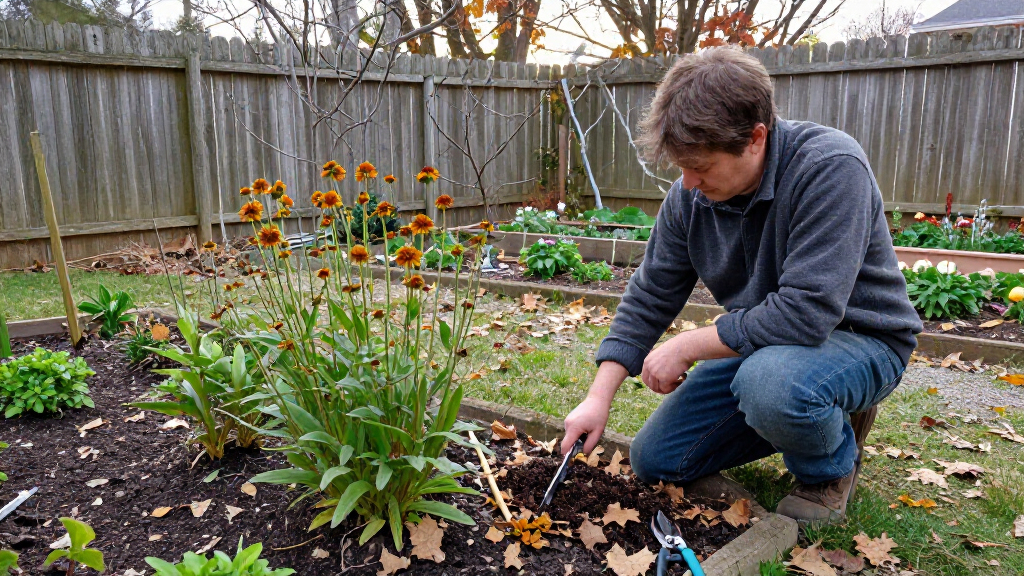
The guide says dead stems and foliage can help insulate the plant’s crown. Gardeners who prefer a tidier winter bed can trim plants to four to six inches above the ground, but the article cautions against cutting them lower. If stems remain intact, the guide recommends waiting until the earth thaws and frost danger has passed in spring, then cutting dead growth to about two to three inches above ground.
For root protection, the report advises spreading a three- to four-inch layer of organic mulch, such as chopped leaves, bark chips or straw, around each plant. In areas with winters lasting five or more months and extended ground freezes, it suggests adding another two or three inches. Where plants have been trimmed, leaves or straw can also be placed over the plant for added insulation; remove that extra covering in spring after frost danger passes.
Coreopsis should be watered deeply about once a week in fall, according to the guide, until the first hard freeze. If rain has not kept the soil moist, check it about an inch below the surface and water deeply if it is dry. The article also advises against fall compost or fertilizer: coreopsis prefers well-draining, average soil, and extra nutrients can promote leggy growth or late-season growth vulnerable to frost.
Protecting the Crown Through Winter
The main practical point is that fall cleanup can affect winter protection. While cutting back many perennials is common, the guide says coreopsis benefits from stems and foliage left over its crown. Keeping some growth in place may help the plant withstand cold, while mulch insulates the surrounding roots.
The advice also helps gardeners avoid encouraging tender growth late in the season. The source says coreopsis does not need fertilizer and that nutrient-rich soil can lead to leggy growth. Following the plant’s stated needs—drainage, modest soil fertility and seasonal insulation—may support its return, though the guidance does not guarantee survival in every climate or for every variety.
Products Worth Considering

EGO POWER+ LB6151 Cordless Leaf Blower with 2.5Ah Battery and Charger

Greenworks 60V Cordless Leaf Blower with 2.5Ah Battery and Rapid Charger

EGO Power+ Cordless Electric Leaf Blower, 880 CFM, with Two 4.0Ah Batteries (LB8803-2)
As an affiliate, we earn on qualifying purchases.
Hardiness Varies by Variety
Coreopsis, also called tickseed, includes annual and perennial species and cultivars. The supplied Gardener’s Path report says many wild species and cultivars, including ‘Moonbeam,’ ‘Sun Up’ and ‘Zagreg,’ are suitable for USDA Hardiness Zones 4 to 9. It says some newer, more colorful cultivars are hardy in Zones 6 to 9 and may be grown as annuals elsewhere.
The source also notes that many varieties readily reseed. Leaving flowers to set seed in fall may produce more plants the following summer, although results depend on the variety and growing conditions. Its winter-care instructions address perennial plants; gardeners should check the hardiness information for their specific cultivar before relying on it to return.
Local Conditions Still Matter
The supplied report gives general care guidance but does not identify a publication date, test results or a specific climate for each recommendation. It is not clear how every cultivar will respond to the same winter treatment, particularly varieties whose stated hardiness range is narrower. The report also does not provide a guarantee that mulch or retained stems will prevent winter loss.
Local frost timing, drainage and the length of freezing conditions vary. The recommended watering schedule is conditional on rainfall and soil dryness, rather than a fixed amount of water for every garden. Gardeners should use the plant’s own condition and local weather to guide care.
Spring Cleanup After Frost
For gardeners following the guide, the next step is to keep watering as needed through fall, apply mulch and leave most stems standing until winter has passed. In spring, wait until the soil has thawed and the risk of frost has passed, then remove dead growth to two to three inches above ground. Any extra leaves or straw laid over trimmed plants should also be removed so new growth has room.
Gardeners can then watch for new shoots and assess whether plants have returned. The source recommends checking cultivar hardiness and growing conditions when planning future plantings; it provides no additional scheduled update or follow-up report.
Key Questions
Should coreopsis be cut back in fall?
The Gardener’s Path guide recommends leaving stems and foliage standing because they can insulate the crown. If a neater winter appearance is needed, it says plants can be cut to four to six inches, but not lower.
When should I cut back coreopsis?
For plants left standing, wait until the soil thaws and frost danger has passed in spring, then cut dead stems to about two to three inches above the ground.
How much mulch should go around coreopsis?
The report recommends three to four inches of organic mulch around the plant. In places with long winters and prolonged ground freezes, it suggests adding another two or three inches.
Should coreopsis be watered in fall?
Yes. The guide recommends deep watering about once a week until the first hard freeze, adjusting for rainfall. Check the soil about an inch down and water if it is dry.
Does coreopsis need fall fertilizer or compost?
The source advises against both in fall. It says coreopsis does well in well-draining, average soil, and added nutrients can encourage leggy or late-season growth that may be damaged by frost.
Source: gardenerspath.com