
TL;DR

Get garden gear delivered free — and shop member deals
- Fast, free delivery on millions of items
- Access to Prime Big Deal Days deals on October 6–7
- Prime Video, Amazon Music and more included
A Gardening Know How report says October can still be a useful planting month for vegetables suited to cool weather, including crops that may be harvested in fall or overwinter for spring. The options depend on local frost timing, growing zone, and how long each crop needs to mature.
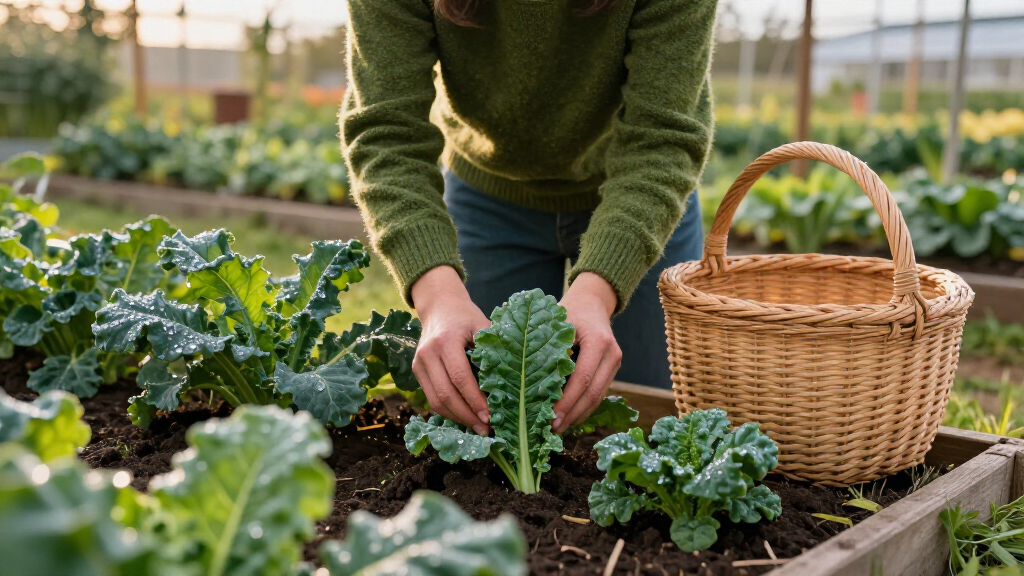
October can still be a planting month for gardeners seeking fall greens or crops that survive winter, according to a Gardening Know How report listing 10 vegetables suited to cooler conditions. The report says planting success depends on local first-frost timing, growing zone and crop maturity time, so its suggestions are not equally suitable across regions.
The report names garlic, spinach, radishes and lettuce among the October options described in the supplied material. Garlic cloves can be planted a few weeks before the ground freezes in zones 3–8, while planting in zones 9 and 10 can wait until November or December. For colder areas, the report recommends covering garlic with straw after the soil cools to reduce the chance that freeze-thaw cycles push cloves out of the ground.
Spinach sown in early October may overwinter as small plants in zones 5–7 and provide leaves early the following spring, the report says. In zones 8–10, it may be harvested through winter. Small radishes can mature in three to four weeks, making them a faster option in zones 6–10; zone 5 gardeners may have a shorter window. Lettuce can also suit October planting, particularly in zones 8–10, while gardeners in zones 6 and 7 may need a cold frame or other shelter.
Those timings are guidance, not guarantees. The report advises counting backward from the area’s average first frost date using the seed packet’s days-to-maturity estimate, then adding a week or two because shortening days slow growth. It also cautions that seed-packet maturity figures generally reflect summer growing conditions. The supplied excerpt ends during its entry on fava beans and does not provide the names or instructions for all 10 vegetables.
A Longer Season for Home Gardens
October planting can make beds productive after warm-season crops are removed, while giving gardeners in suitable climates a chance at late-fall harvests or an early spring cut. Cool-season crops may also benefit from lower temperatures: the report says some plants that bolt or taste bitter in summer heat perform better as days cool.
The practical value varies by location. A gardener with a mild winter may continue sowing for months, while a gardener whose soil freezes early may need to focus on quick crops or plants established before winter. Treating the list as a regional menu, rather than a universal schedule, helps avoid relying on harvest dates that local weather may not support.
October vegetable seeds for fall planting
As an affiliate, we earn on qualifying purchases.
As an affiliate, we earn on qualifying purchases.
Frost Dates Guide Sowing Choices
The report distinguishes between USDA hardiness zones and frost dates. USDA zones are based on average extreme winter lows and offer a rough guide to what may survive winter; they do not specify when the first autumn frost will arrive. Nearby places in the same zone can have different frost timing because of elevation and coastal conditions.
For crops intended to grow before winter, the report recommends using the local average first frost date and the seed packet’s maturity estimate as a starting point. For crops that overwinter, the key consideration is getting roots established before the soil freezes. The report also notes that warm soil can hinder spinach germination and that young plants in colder locations may need row covers or straw protection.
““Cooler nights and a lower sun happen to suit a whole group of crops that bolt or turn bitter in summer heat.””
— Gardening Know How report
Local Harvest Dates Still Vary
Exact planting and harvest dates cannot be set nationally from the report’s guidance. First-frost dates vary even within a hardiness zone, and temperature, soil conditions, exposure and protection can affect whether seeds germinate and plants survive. The supplied source excerpt also cuts off at the fava bean entry, so it does not establish the full 10-crop list or provide details for the remaining vegetables.
The report offers general regional ranges, not a guarantee that a crop will mature before frost or overwinter successfully in every garden. Readers should check local frost information and crop-specific seed instructions before planting.
Check Local Dates Before Sowing
Gardeners considering October sowing should start with their local average first-frost date, compare it with the crop’s days to maturity, and allow extra time for slower autumn growth. Those planting crops meant to overwinter should check whether the variety and their conditions are appropriate, then use protection such as mulch, row cover or a cold frame where needed.
Harvest timing will become clearer as local weather and plant growth develop. The source report provides seasonal recommendations; it does not announce a fixed planting calendar or report measured results for a particular garden.
Key Questions
Is October too late to plant vegetables?
Not necessarily. Cool-season crops may still be sown, but the options depend on local frost timing, growing conditions and how quickly each crop matures.
Which October crops are named in the report?
The supplied excerpt names garlic, spinach, radishes and lettuce, and begins a section on fava beans. It does not include the rest of the article’s 10-item list.
How should I work out whether a crop will mature before frost?
The report recommends counting back from the local average first-frost date using the seed packet’s days-to-maturity estimate, then adding a week or two because autumn growth is slower than summer growth.
Are USDA zones enough to plan October planting?
No. Zones provide a rough indication of winter cold and plant survival, but they do not give a precise first-frost date. The report says gardeners should use local frost information as well as their zone.
Source: rss
Fall Picks
fall essentials
As an affiliate, we earn on qualifying purchases.