
TL;DR

Get garden gear delivered free with Prime
- Fast, free delivery on millions of items
- Prime Video, Amazon Music and more included
- Member-only deals all year
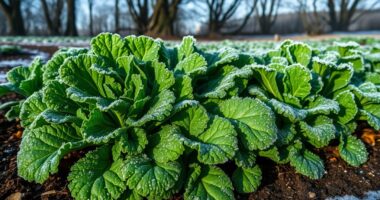
A Homes & Gardens report highlights tall perennial sedums, especially ‘Autumn Joy,’ as plants that can add garden interest after the first frost. The report cites horticulture experts on their long-lasting flower heads, low watering needs and value to pollinators; results depend on suitable sun and well-drained soil.
Homes & Gardens recommends tall perennial sedums, including the familiar cultivar ‘Autumn Joy,’ for gardeners seeking plants that retain visual interest after the first frost. The report says the plants offer spring foliage, late-summer and autumn flowers, and seed heads that can remain standing into winter, while requiring relatively little care once established.
The report draws on comments from Matt Mattus, senior director of horticulture at the American Horticultural Society, who describes tall perennial sedums as dependable plants across multiple seasons. Their fleshy shoots emerge in spring and form mounds that grow into substantial clumps by summer. The flower heads can provide an attractive display before opening, then draw bees, butterflies and other pollinating insects in late summer and autumn.
After the flowers fade, the dried heads can remain on the plant and keep its shape visible through winter, including after frost or light snowfall, according to Mattus. The article presents this lasting structure as the main reason sedums may help a garden look less bare once cold weather arrives. It does not claim that the plants will flower through winter.
Growing conditions matter. Landscape gardener Kat Aul Cervoni, founder of Staghorn Living, says most sedums do best in full sun, ideally receiving at least six hours a day. The report also recommends well-drained soil, reflecting the plants’ tolerance for lean, gravelly conditions. Tall cultivars can be placed in beds and borders or grown in containers, while low-growing sedums suit rock gardens and walls.
Winter Structure and Late Pollinators
For gardeners, the appeal is a longer period of visible interest from one perennial: foliage and shoots in spring, a full clump by summer, flowers later in the year, and standing heads after frost. That sequence can help maintain form in a winter garden when many flowering perennials have died back. Leaving the heads in place also preserves the display described by Mattus rather than cutting the plant down as soon as flowering ends.
The late-season flowers have ecological value, too. Mattus says the heads attract bees, butterflies and other pollinators when they bloom. The source does not quantify how many insects they support or compare sedums with other pollinator plants, so the benefit should be understood as a gardening expert’s description rather than a measured outcome.
The recommendation is not that every sedum suits every site. Light, drainage, cultivar size and local growing conditions affect performance. Gardeners with shaded or persistently wet planting areas may need a different choice or a better-drained location.
As an affiliate, we earn on qualifying purchases.
The ‘Autumn Joy’ Name
The common name sedum, or stonecrop, covers a varied group of succulent plants, from low, spreading groundcovers to taller clump-forming perennials. Mattus notes that botanists have moved many of the familiar tall perennial species into the genus Hylotelephium. As a result, a plant once sold as Sedum ‘Autumn Joy’ may appear on a label as Hylotelephium ‘Autumn Joy’ or ‘Herbstfreude’.
The report says gardeners and nurseries still commonly use “sedum” or “tall perennial sedum.” At a garden center, looking for the cultivar name ‘Autumn Joy’ may be the most straightforward way to identify the plant described. Other sedums vary greatly in height and growth habit, so the general label alone does not guarantee the same winter display.
The article’s recommendation is based on expert guidance about seasonal performance and planting conditions, not on a new trial or comparative study. It presents sedum as one useful option among plants that can provide winter interest.
“Few perennials manage to look good for so many months while requiring so little attention.”
— Matt Mattus, senior director of horticulture at the American Horticultural Society
Local Growing Results May Vary
The source does not specify a publication date, provide test results, or compare sedum with other perennials for winter appearance or pollinator use. It also does not establish how long the flower heads will remain attractive in different climates. The report says they can persist into winter, particularly after frost or light snow; it does not guarantee they will remain intact through heavy snow, strong winds or prolonged wet weather.
Specific planting advice also depends on the variety. The article covers both low-growing and upright sedums, which have different sizes and uses. It gives no location-specific hardiness ratings or detailed advice for every soil type, so gardeners should check the label for the selected cultivar and local conditions.
Check the Cultivar and Site
For gardeners considering the recommendation, the next step is to choose a variety suited to the space: a tall perennial such as ‘Autumn Joy’ for a border, bed or suitable container, or a spreading type for a rock garden or wall. Check the plant label for its mature size and botanical name, then choose a sunny site with good drainage.
The source provides no scheduled follow-up study or additional announcement. The practical test will be how the chosen cultivar performs in the garden: whether it receives enough sun, avoids waterlogged soil, attracts pollinators during bloom and retains its standing heads into winter.
Key Questions
Which flower does the report recommend for after-frost garden interest?
It recommends tall perennial sedums, especially the cultivar ‘Autumn Joy.’ Their flower heads can remain standing after blooming and provide visible structure into winter.
Does ‘Autumn Joy’ bloom after the first frost?
The report does not say that it blooms after frost. It describes flowers in late summer and autumn, followed by faded heads that may remain on the plant through winter.
How much sun do sedums need?
Landscape gardener Kat Aul Cervoni says most sedums thrive in full sun, with at least six hours of sunlight as an ideal minimum. Growing conditions and varieties can differ.
What soil conditions suit sedums?
The report recommends good drainage. Sedums are associated with rocky, gravelly sites and may struggle in persistently wet soil.
Why might the plant be labelled Hylotelephium?
According to Matt Mattus, botanists have placed many familiar tall perennial sedums in the genus Hylotelephium. ‘Autumn Joy’ may therefore be sold under that botanical name, though the common name sedum remains widely used.
Source: rss
Fall yard work Picks
leaf blowers
As an affiliate, we earn on qualifying purchases.