
TL;DR
During heatwaves, gardens can serve as vital refuges for wildlife. Experts recommend five simple actions homeowners can take to support animals and plants during extreme temperatures. This advice is based on recent guidance from conservation advocates.
Experts advise that gardens can serve as crucial refuges for local wildlife during heatwaves. A recent guidance article highlights five simple actions homeowners can implement immediately to help animals and plants survive extreme temperatures, emphasizing the role individual efforts play in conservation during climate stress.
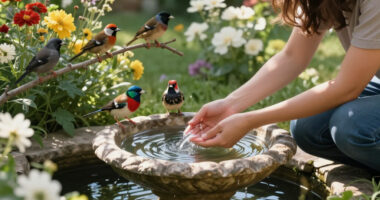
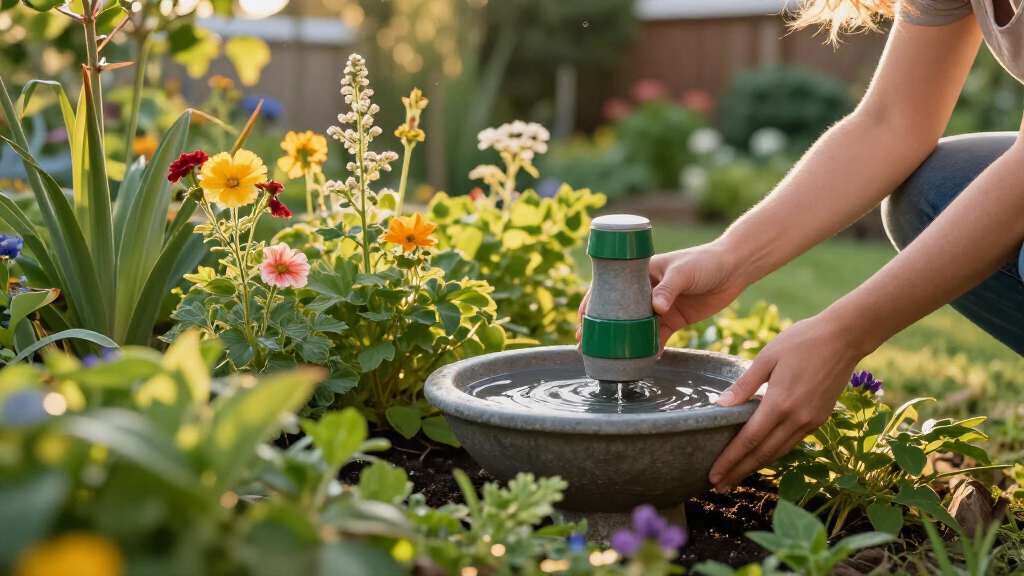
The advice, based on conservationist recommendations, includes providing fresh water, planting native species, creating shaded areas, avoiding pesticides, and leaving some natural debris. These measures are confirmed as effective ways to support wildlife health during heatwaves, which are becoming more frequent due to climate change.
According to the article, these actions are easy to implement and require minimal cost or effort, yet they can significantly improve survival chances for birds, insects, and small mammals. Experts stress that individual contributions can collectively make a difference during periods of extreme heat.
Why Supporting Wildlife During Heatwaves Is Critical
As heatwaves increase in frequency and intensity, the ability of urban and suburban gardens to support local wildlife becomes more vital. These small actions can help prevent wildlife deaths, maintain biodiversity, and foster resilient ecosystems. This guidance underscores the importance of community-based conservation efforts in adapting to climate change impacts.
As an affiliate, we earn on qualifying purchases.
Recent Climate Trends Highlight Growing Heatwave Risks
Climate data shows an uptick in heatwave events across many regions, with recent summers experiencing record-breaking temperatures. Experts warn that urban heat islands exacerbate these conditions, making local gardens even more critical as refuges. Previous studies have demonstrated that small habitat improvements can significantly aid wildlife survival during extreme weather.
Extent of Impact and Adoption of Recommendations
While the advice is widely endorsed, it is not yet clear how many homeowners are implementing these measures or how effective they are at a large scale. Ongoing studies aim to quantify the impact of such actions during heatwaves.Monitoring Wildlife Survival and Promoting Community Engagement
Researchers plan to assess the effectiveness of these garden-based interventions through wildlife monitoring programs. Additionally, conservation groups are encouraging community participation to expand these efforts, especially in urban areas most affected by heatwaves.
Key Questions
What are the most effective actions I can take to help wildlife during a heatwave?
Providing fresh water sources, planting native species, creating shaded areas, avoiding pesticides, and leaving natural debris are highly effective measures confirmed by conservation experts.
Are these actions suitable for all types of gardens?
Yes, these recommendations can be adapted to any garden size or type, from small yards to larger landscapes, and are designed to be simple and low-cost.
Will these efforts really make a difference for wildlife survival?
According to conservationists, even small actions can significantly improve the chances of survival for many species during heatwaves, especially when adopted widely across communities.
How can I get involved in supporting wildlife beyond my own garden?
You can participate in local conservation programs, volunteer for habitat restoration projects, or advocate for urban planning that includes green spaces and wildlife corridors.
Source: rss