
TL;DR
A new Petals & Roots episode presents a container-planting approach for spreading spring color across several months. It pairs early-flowering dwarf iris with narcissi and later tulips, while recommending pots and varieties chosen to suit the space and desired look.
Petals & Roots has published a spring bulb-planting episode recommending three containers of bulbs with different flowering times, so gardeners can enjoy flowers in sequence rather than all at once. The plan moves from early dwarf iris to narcissi and then tulips, aiming to extend color from late winter through the end of spring in spaces such as patios, terraces and porches.

Get garden gear delivered free with Prime
- Fast, free delivery on millions of items
- Prime Video, Amazon Music and more included
- Member-only deals all year
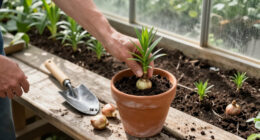
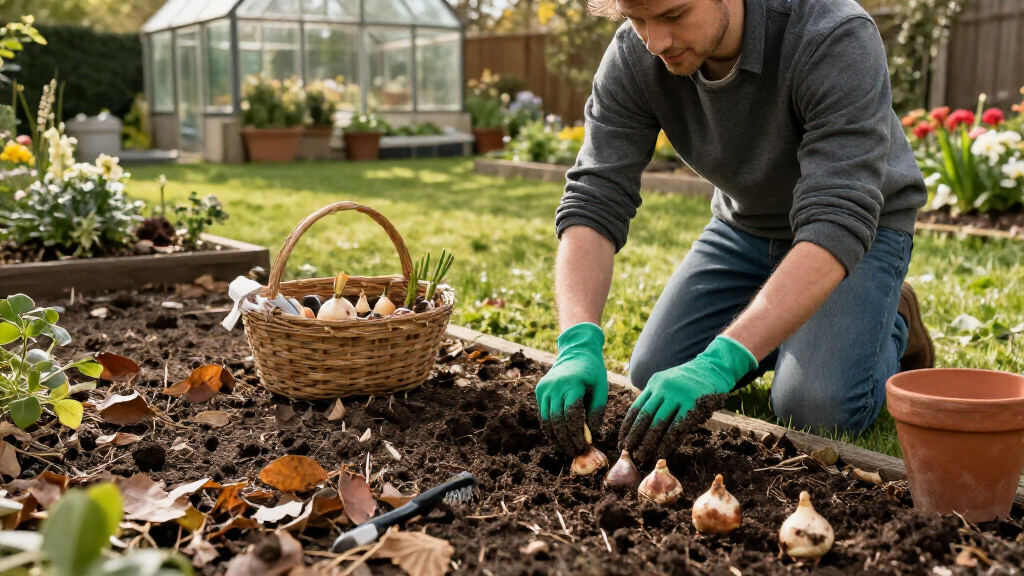
The episode proposes using three types of spring bulbs and three pots of different sizes. Its suggested materials include organic compost, bulb feed, a bulb dibber, horticultural grit and a watering can. The presentation describes these as items needed for the planting scheme, but does not provide a complete step-by-step guide with planting depth, spacing or watering schedules.
Iris reticulata, also called dwarf iris, are the first flowers in the proposed sequence. The episode describes them as among the earliest spring bulbs to appear, sometimes flowering while the garden still feels wintry. It recommends a relatively shallow or smaller pot, planted with several bulbs, and placing it near the house so the small flowers can be appreciated up close. Their flowering period is described as relatively short.
Narcissi carry the display forward, with choices ranging from traditional yellow to cream, pale lemon and apricot. The episode also points to miniature varieties for containers and notes that some narcissi are fragrant. Later-flowering tulips provide the final phase: the advice favors a larger pot and, for a more unified appearance, planting one variety in abundance rather than mixing many colors and forms. The episode suggests considering how the containers look together, including using pots with a shared material or style.
A longer spring display in three pots
Petals & Roots suggests planting bulbs with staggered flowering times to bring successive color to patios, terraces and porches.
Flowers arrive in sequence
Choose bulbs that bloom at different points in the season.
Flowers first; place its smaller pot near the house to enjoy the blooms up close.
Carry the display forward with options from yellow to cream, pale lemon or apricot.
Finish with later blooms; a larger pot and one abundant variety can create a unified look.
Plan the containers together
Three different pot sizes suit the planting scheme; shared materials or styles can make them feel like a group.
Keep small blooms close
A shallow or smaller pot near a doorway or seating area makes dwarf iris easier to appreciate.
Choose your narcissi
Miniature and fragrant varieties are among the options described for containers.
Unify the tulips
Planting one variety in abundance can give the final pot a more consistent appearance.
What the outline leaves open
The description gives a planting concept and suggested materials, but not a complete care guide.
- Choose varieties and pots for your available space and preferred look.
- Check the planting and care guidance supplied with your chosen bulbs.
- Expect flowering dates and duration to vary with local conditions.
A Longer Display in Small Spaces
The approach is aimed at gardeners who want spring flowers over a longer period without needing a large garden or a complex planting design. Using separate containers allows each group of bulbs to flower in turn, and pots can be placed close to a doorway or seating area where their blooms are easier to see and enjoy.
The advice also offers a practical way to plan for changes in flowering time: choose bulbs that bloom at different points in the season, rather than relying on a single mass of flowers. That can make a patio or porch feel colorful across more of spring, although the precise length and timing of the display will depend on the varieties selected and local growing conditions.
Products Worth Considering

EGO POWER+ LM2114 21-Inch Cordless Electric Lawn Mower with Battery and Charger

Husqvarna 110iL FLXi Cordless Grass Trimmer and Edger with 4 Ah Battery and Charger

Palram Canopia Mythos 6' x 8' Polycarbonate Greenhouse, Silver
As an affiliate, we earn on qualifying purchases.
How the Three Pots Work Together
Petals & Roots is described as a bi-weekly video series presented by Rachel Bull, Head of Gardens at Homes & Gardens. The episode is framed as seasonal gardening advice and focuses specifically on spring bulbs grown in containers.
The planting sequence follows the flowers’ expected timing: dwarf iris first, narcissi next and later tulips last. The recommendation is not to combine all three bulb types in one pot, but to use three different containers and consider their appearance as a group. Terracotta is suggested as one option because its earthy color can complement a range of flower shades. The episode also gives examples of bulb varieties and retailers, but does not establish those products as necessary to follow the general plan.
“By choosing bulbs with staggered flowering times, you can create a succession of color that keeps your patio, terrace or front porch looking lovely from late winter right through to the end of spring.”
— Petals & Roots episode
Flowering Dates Depend on Conditions
The episode does not give specific planting dates, bulb depths, spacing measurements or a detailed care calendar. It also does not identify the exact varieties for all three stages, apart from naming examples such as the apricot ‘Orange Dordogne’ tulip. As a result, the suggested sequence is a general plan rather than a guarantee that flowers will appear on set dates.
Local climate and growing conditions can affect when bulbs flower and how long blooms last. The episode’s description does not specify a location or provide evidence that every suggested variety will follow the same schedule in every garden. It is also unclear whether the video includes additional practical instructions beyond the written description.
Watch the Episode and Plan Planting
The episode is presented as part of the series’ regular seasonal gardening coverage. Readers can use its three-stage outline to select bulbs with differing flowering times, then check the planting and care guidance supplied with their chosen bulbs before planting. The description does not announce a further episode date or a specific follow-up development.
For a container display, the next practical step is to choose the varieties and pots, taking account of expected flowering periods, available space and the look of the containers together. The series is described as appearing every second Sunday on social media, although no date for the next installment is provided.
Source: rss
Key Questions
Which bulbs does the Petals & Roots plan use?
It uses dwarf iris, narcissi and tulips, chosen to flower in succession from early to later spring.
How many containers are suggested?
The episode recommends three pots of different sizes, with a different bulb type for each stage of the display.
Where should the dwarf iris pot go?
The advice is to place it near the house, where the small flowers can be seen at close range. A relatively shallow or smaller container is suggested.
Does the plan guarantee flowers from late winter to spring’s end?
No. That is the intended effect of choosing bulbs with staggered flowering times. Exact timing varies, and the episode description does not give a fixed flowering calendar or guarantee for every location.
Source: homesandgardens.com