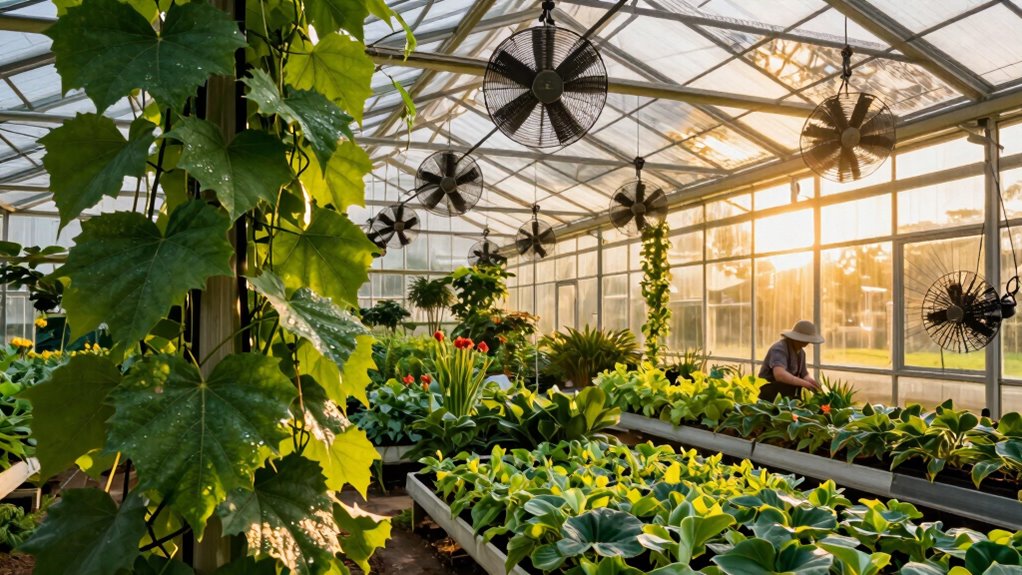
To keep your greenhouse productive during summer, you should regularly monitor temperature, humidity, and light levels using automated sensors. Implement cooling strategies like shade cloths, natural ventilation, and misting systems to prevent heat build-up. Proper water management and soil temperature control also help plants thrive. Developing a clear action plan that balances shading, ventilation, and watering will protect your crops from heat stress. Continue exploring for more tips to optimize your summer heat management approach.

Get garden gear delivered free with Prime
- Fast, free delivery on millions of items
- Prime Video, Amazon Music and more included
- Member-only deals all year
Key Takeaways
- Implement automated environmental monitoring systems to maintain optimal temperature, humidity, and light levels in the greenhouse.
- Use shading, reflective surfaces, and natural ventilation to reduce heat buildup effectively.
- Schedule irrigation early mornings and incorporate misting to prevent water stress and manage humidity.
- Optimize airflow with fans, vents, and proper equipment placement to prevent hot spots.
- Incorporate water harvesting and cooling systems to sustain plant health during high-temperature periods.
greenhouse automated environmental monitoring system
As an affiliate, we earn on qualifying purchases.
As an affiliate, we earn on qualifying purchases.
Why Controlling Summer Temperatures Is Key to Greenhouse Success
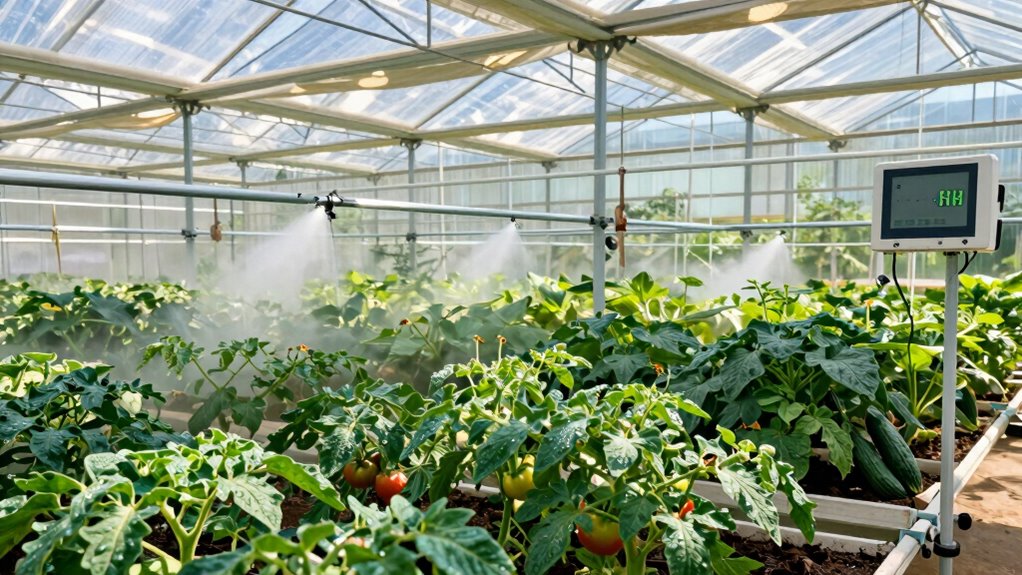
Controlling summer temperatures is essential for maintaining a healthy and productive greenhouse environment. When temperatures rise, plant acclimatization becomes critical; if you don’t manage heat properly, plants can become stressed, stunt growth, or even die. Proper temperature control allows your crops to adapt gradually, ensuring they remain vigorous and healthy. Additionally, crop selection plays a key role—choosing heat-tolerant varieties helps your greenhouse withstand summer heat without sacrificing yield. Using appropriate refrigeration solutions like specialized cooling systems can significantly improve temperature regulation during hot months. By managing temperature effectively, you create ideal conditions for your plants to thrive. This not only boosts productivity but also reduces disease risks and improves fruit quality. Contrast ratio management can also enhance visual monitoring of plant health, making it easier to spot issues early. Implementing climate control technology can further optimize your environment and prevent sudden temperature fluctuations. Understanding thermal regulation techniques is vital for designing effective cooling strategies tailored to your greenhouse’s needs. Ultimately, controlling summer temperatures supports your overall greenhouse success, making it easier to sustain high-quality crops all season long. Effective temperature management is crucial for preventing heat stress and maintaining optimal plant growth.
Essential Strategies for Cooling Your Greenhouse in Summer

When summer temperatures soar, keeping your greenhouse cool becomes a top priority for maintaining healthy plants. One essential strategy is selecting crops suited to heat, which reduces stress and cooling needs. Additionally, focus on maintaining appealing greenhouse aesthetics by using reflective surfaces and light-colored materials that reflect heat rather than absorb it. Shade cloths and outdoor shading structures also help lower internal temperatures without compromising light quality. Proper crop selection guarantees your plants can tolerate higher temperatures, minimizing loss and maximizing productivity. Incorporating natural light management techniques further enhances the cooling effect while supporting plant growth. Using landscaping elements around the greenhouse can also contribute to shading and cooling benefits, creating a more comfortable environment. Combining these approaches not only cools your greenhouse effectively but also preserves its visual appeal. By tailoring crop choices and enhancing aesthetics, you create a comfortable environment that supports plant health and keeps your greenhouse thriving during the heat of summer.
Choosing the Best Ventilation and Cooling Systems

To keep your greenhouse comfortable, you need to optimize airflow strategies and choose effective cooling equipment. Monitoring temperature and humidity levels helps you make informed decisions about ventilation and cooling options. Proper ventilation is essential to prevent heat buildup and maintain healthy plant growth during the hot summer months. Additionally, implementing solar safety measures such as proper system placement and snow management can help protect your equipment and ensure continuous operation. By focusing on these points, you’ll create a healthier environment for your plants during the hot summer months. Incorporating scent balance techniques like aroma diffusers and dehumidifiers can also help maintain a pleasant atmosphere, supporting both plant health and worker comfort. Understanding air circulation principles can further enhance your greenhouse’s climate control system, leading to more consistent temperatures and improved plant growth. Recognizing the importance of climate monitoring allows for more precise adjustments to your ventilation and cooling strategies, ensuring optimal conditions at all times.
Optimizing Airflow Strategies
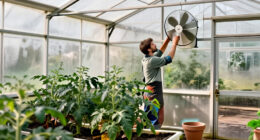
Have you ever wondered how the right ventilation and cooling systems can make a significant difference during the summer heat? Optimizing airflow strategies is key to maintaining a stable environment inside your greenhouse. Focus on improving ventilation efficiency by ensuring fans and vents work harmoniously to create consistent airflow patterns. Proper airflow helps remove excess heat, humidity, and pollutants, preventing hot spots and stagnant air. Adjust ventilation settings based on outdoor conditions and internal temperature readings, aiming for uniform circulation. Use fans to direct cool air throughout the space, avoiding areas of poor airflow. By fine-tuning these airflow strategies, you’ll enhance heat dissipation and create a healthier, more productive environment for your plants during the hottest months. Incorporating effective airflow management techniques can further improve temperature regulation and overall greenhouse health.
Selecting Effective Cooling Equipment
Choosing the right ventilation and cooling systems is essential for effectively managing heat in your greenhouse. Proper equipment helps prevent issues like plant disease caused by excess humidity and stagnant air. Ventilation options such as exhaust fans, ridge vents, or evaporative coolers can improve airflow, reducing temperature spikes and moisture buildup. This not only maintains a suitable environment for plant growth but also supports pest management by discouraging pests that thrive in warm, humid conditions. When selecting equipment, consider the size of your greenhouse and the specific needs of your crops. Efficient cooling systems ensure consistent temperatures, minimize the risk of disease, and help keep pests at bay, ultimately boosting productivity and plant health. Incorporating proper airflow management techniques can further optimize environmental conditions for your plants. Additionally, understanding data storage and backup solutions can be beneficial for maintaining records of your environmental controls and monitoring system performance over time. Being aware of climate control strategies can also assist in making informed decisions about your cooling setup. Implementing environmental monitoring devices can provide real-time data to fine-tune your cooling and ventilation systems effectively.
Monitoring Temperature & Humidity
Monitoring temperature and humidity levels is essential for selecting the most effective ventilation and cooling systems for your greenhouse. Accurate readings help you maintain ideal conditions for plant propagation, ensuring seedlings grow strong without stress. Consistent monitoring also supports pest management by preventing conditions that attract pests or promote disease. Use reliable sensors to track fluctuations and adjust your ventilation system accordingly. Proper airflow reduces excess heat and humidity, creating a healthier environment. When temperature and humidity are well-managed, your plants stay resilient, and you can prevent problems before they escalate. Regular checks enable you to fine-tune your cooling strategies, ensuring your greenhouse remains productive during peak summer heat. Staying vigilant with monitoring is the key to a successful, pest-free growing space. Additionally, understanding indoor air quality can help you identify and mitigate issues like dust or microplastics that may affect plant health. Maintaining optimal environmental conditions is crucial for plant health and overall greenhouse productivity.
Using Shade Cloths and Coverings to Block Excess Heat
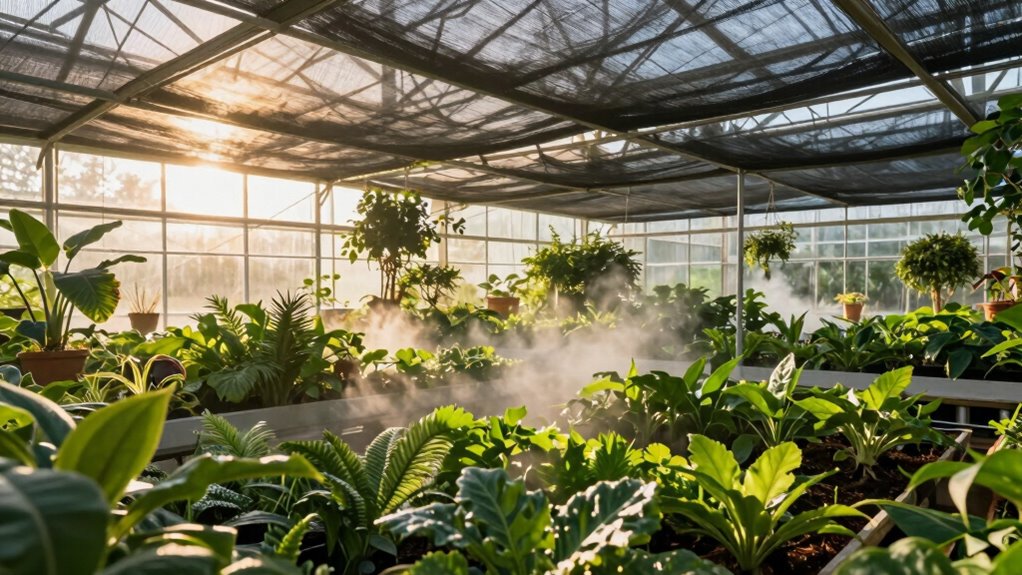
Choosing the right shade cloths and coverings can make a big difference in blocking excess heat. You need to select materials that are durable and suited for your climate, ensuring they provide effective shade. Proper installation is key, so make sure to follow the correct techniques to maximize their cooling benefits. Additionally, selecting appropriate workspace gear can help you manage installation more efficiently and protect your equipment from heat damage. Incorporating transaction monitoring/security measures can also ensure that your equipment and data remain protected during the setup process. Regularly monitoring water chemistry levels can further optimize greenhouse conditions and prevent issues caused by temperature fluctuations. Being aware of market trends in the precious metals industry can also inform your investment decisions and protect your assets. Understanding climate adaptability of different coverings is crucial for long-term effectiveness and sustainability.
Selecting Effective Shade Materials
Selecting the right shade materials is essential for effectively reducing heat in outdoor spaces. Your goal is to improve sunlight control by choosing materials that block or filter excess solar radiation. Look for shade materials like shade cloths, which come in different densities to provide varying levels of coverage. For maximum heat reduction, opt for fabrics that block a high percentage of sunlight while still allowing airflow. Consider the material’s durability and UV resistance to guarantee it withstands summer conditions. Properly selecting shade materials helps you create a cooler environment, reducing stress on plants and lowering cooling costs. Remember, the key is to find a balance between shading effectiveness and maintaining enough light for healthy growth. Understanding the testing accuracy of your chosen materials ensures you select the most effective options for your specific needs.
Proper Installation Techniques
Proper installation is essential to guarantee your shade cloths and coverings effectively block excess heat. To ensure maximum efficiency, follow these steps:
- Secure the shade cloth tightly to prevent gaps that can let in heat. Proper tension helps maintain airflow and prevents pest entry, supporting pest prevention strategies.
- Position coverings to minimize direct sunlight during peak hours, which helps protect plant nutrition by reducing heat stress on your plants.
- Regularly inspect and adjust the coverings for wear and tear. Well-maintained coverings ensure consistent heat reduction and prevent pests from finding entry points.
Correct installation enhances plant health, optimizes growth conditions, and keeps pests at bay, all while maintaining the right balance of temperature and humidity in your greenhouse.
How to Monitor Climate Conditions Automatically
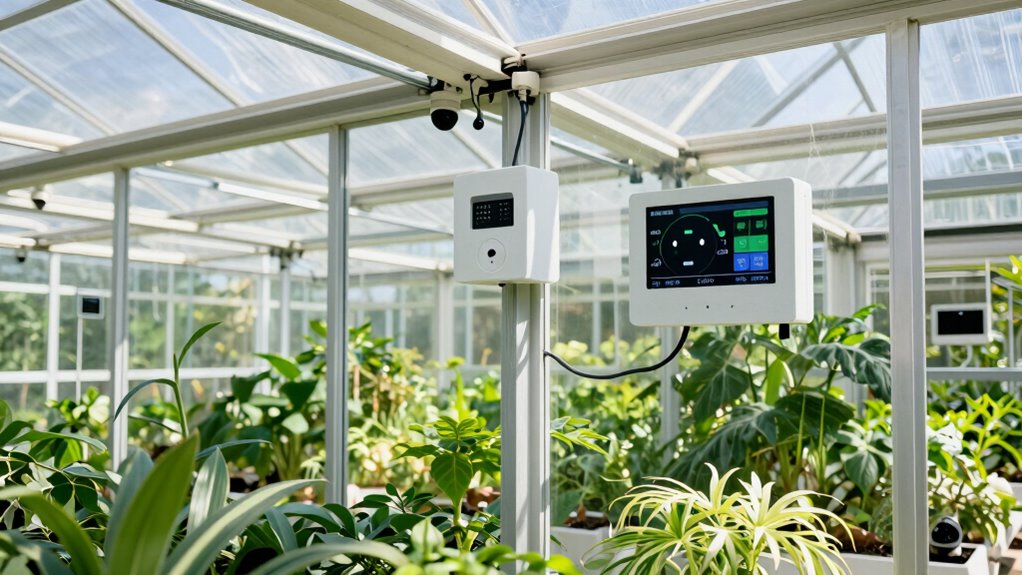
To efficiently keep track of climate conditions during the summer heat, you can set up automated monitoring systems that provide real-time data. These systems help you quickly respond to temperature spikes or drops, ensuring best greenhouse conditions. Incorporate sensors that track temperature, humidity, and light levels, which can be powered by solar panels for sustainability. When choosing sensors, consider your crop selection, as different plants have unique climate needs. Use the following table to understand key metrics:
| Metric | Ideal Range | Monitoring Tools |
|---|---|---|
| Temperature | 65-75°F (18-24°C) | Digital sensors with alerts |
| Humidity | 50-70% | Hygrometers and data loggers |
| Light Levels | 600-1000 lux | Light sensors and photometers |
Watering and Humidity Tips to Reduce Heat Stress
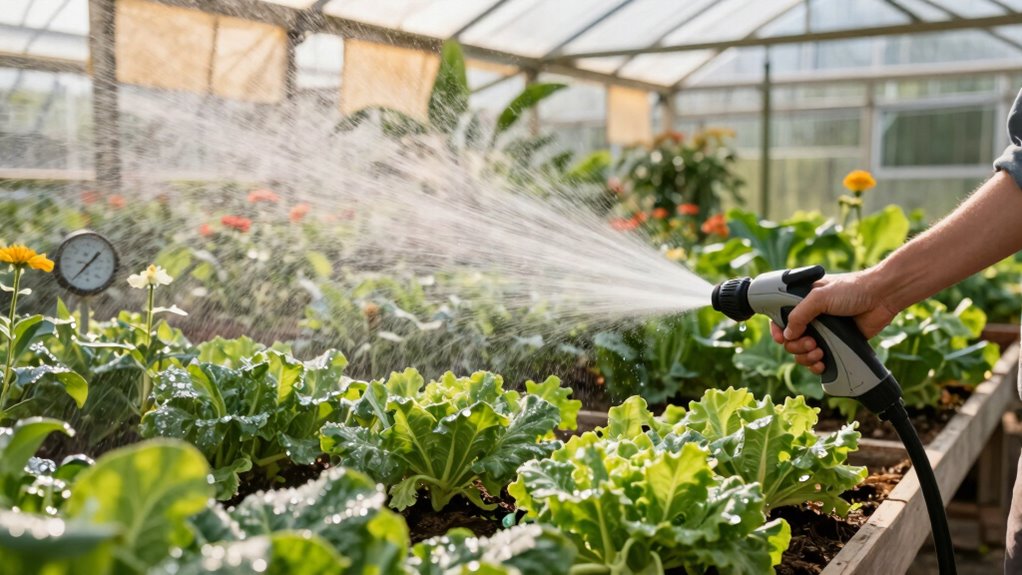
To reduce heat stress, you should focus on watering your plants efficiently and maintaining proper humidity levels. Using ideal watering techniques guarantees your plants stay hydrated without overwatering, while humidity control strategies help prevent dehydration and overheating. Implementing these tips can keep your garden healthy and resilient during the hottest days.
Optimal Watering Techniques
Have you ever wondered how to water your plants effectively during intense summer heat? Proper watering not only keeps plants healthy but also supports plant nutrition and pest management. To optimize your watering techniques:
- Water early in the morning to reduce evaporation and ensure roots absorb moisture efficiently.
- Use deep, infrequent watering to encourage strong root growth and prevent heat stress.
- Monitor soil moisture regularly, avoiding overwatering, which can lead to disease and pest problems.
Consistent, careful watering helps maintain proper humidity levels and prevents heat stress. Well-hydrated plants are better equipped to fend off pests and absorb nutrients effectively. Remember, balancing watering with humidity control strengthens your greenhouse’s resilience during hot months.
Humidity Control Strategies
Effective humidity control complements proper watering by creating a more stable environment that reduces heat stress on plants. Using drip irrigation helps maintain consistent soil moisture without overwatering, preventing humidity fluctuations that can stress plants. Misting systems are also essential; they increase humidity levels and cool the greenhouse atmosphere during hot days. By regularly misting, you create a microclimate that minimizes moisture loss and prevents rapid temperature spikes. Combine these methods with strategic watering schedules to keep humidity balanced. Avoid excessive watering or misting, which can promote mold or disease. Adjust your watering and misting routines based on weather conditions and plant needs. This approach helps maintain ideal humidity, reduces heat stress, and promotes healthy, productive plants throughout the summer.
Managing Heat During Peak Summer Hours
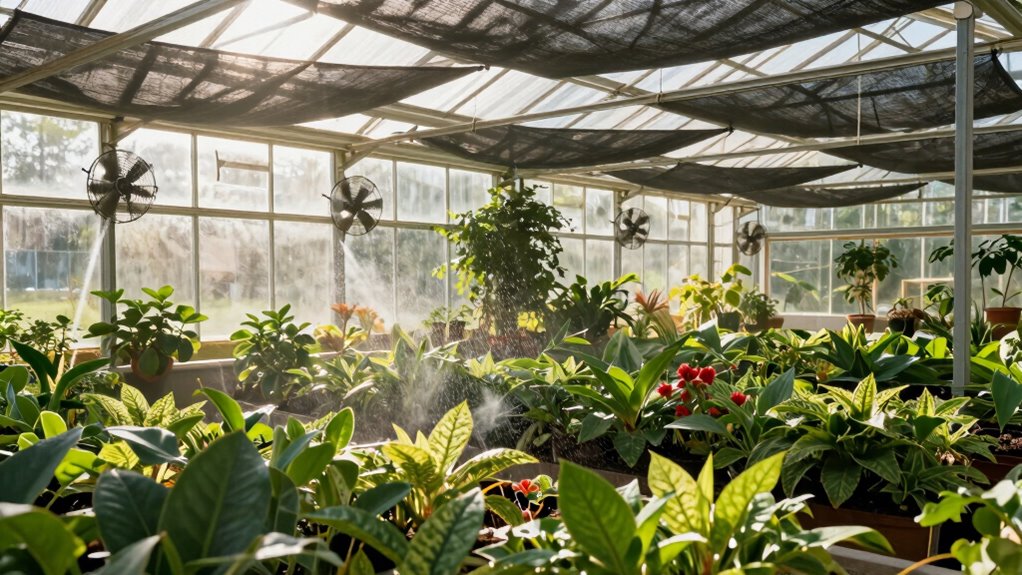
During peak summer hours, managing heat becomes essential to maintain comfort and safety. Excess heat can lead to plant disease and pest problems, so quick action is crucial. To effectively control temperatures:
- Use shading systems to reduce direct sunlight, preventing heat buildup.
- Increase ventilation to promote air flow, helping to lower indoor temperatures.
- Regularly monitor and adjust humidity levels, as high humidity fosters plant disease and pest infestations.
Keeping Nighttime Temperatures Comfortable for Your Crops
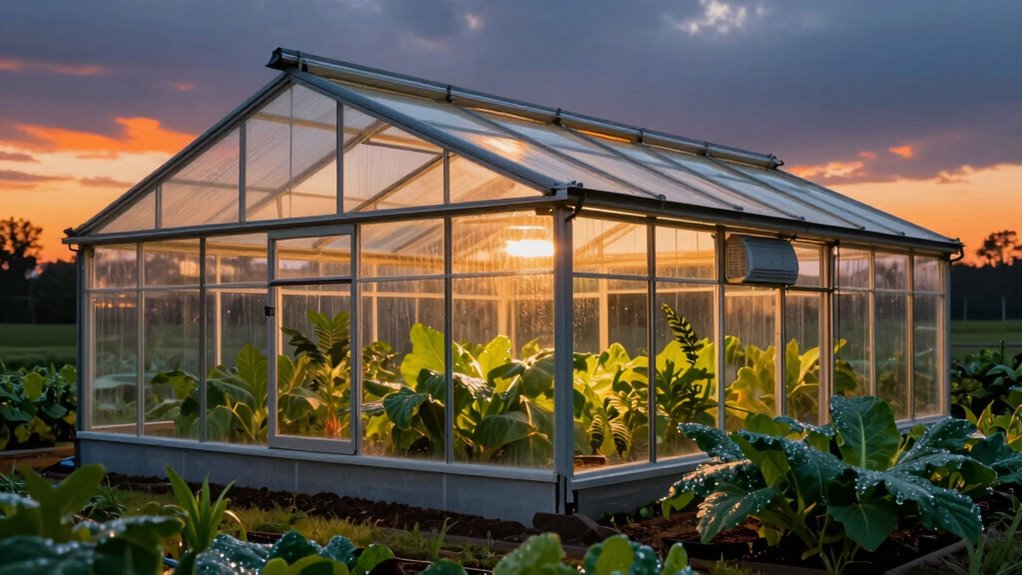
As nighttime temperatures drop, it’s essential to keep them within a range that supports healthy crop growth. Different crop varieties have specific temperature needs, so understanding your plants is key. Use soil management techniques like mulching to retain heat and prevent rapid cooling, which can stress crops. Incorporate organic matter into your soil to improve thermal insulation and maintain consistent moisture levels. Ventilate your greenhouse properly to avoid temperature fluctuations that can harm sensitive crop varieties. Consider installing thermal curtains or heaters if temperatures fall below ideal levels for your crops. Monitoring soil temperature regularly helps you make timely adjustments, ensuring your crops stay comfortable overnight. Proper soil management combined with awareness of crop requirements keeps your greenhouse productive and healthy, even during chilly nights.
Affordable Solutions to Beat Summer Heat Challenges
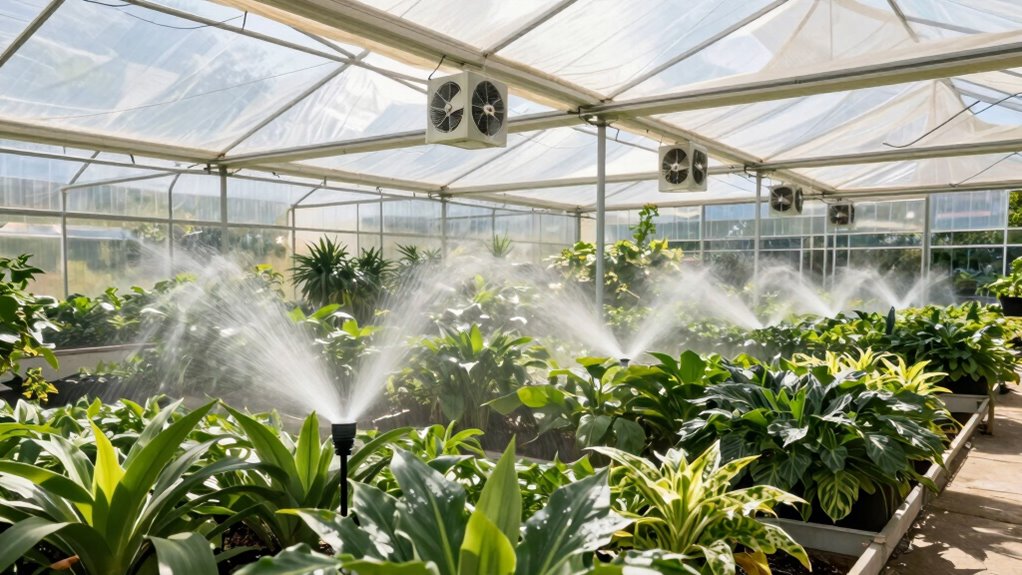
Facing summer heat doesn’t have to break the bank; there are simple, affordable ways to keep your crops and greenhouse comfortable. First, consider solar panel integration to power fans and cooling systems cost-effectively. It reduces energy costs and promotes sustainability. Second, install shading solutions like shade cloths or reflective paints to lower internal temperatures without heavy expenses. Third, focus on pest management; healthy plants resist heat stress better, and integrated pest control methods prevent infestations that could worsen under heat stress. These affordable solutions work together to maintain ideal conditions, protect your crops, and reduce operational costs. By combining solar energy, shading, and pest management, you create a resilient, budget-friendly heat mitigation plan that keeps your greenhouse productive all summer long.
Create a Summer Heat Action Plan for Your Greenhouse
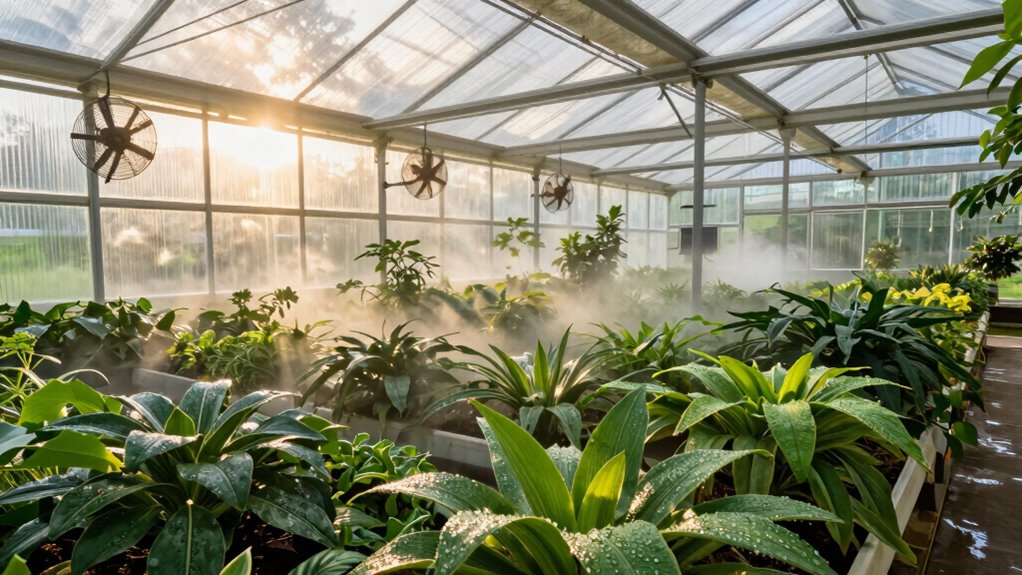
Building on affordable cooling strategies, creating a detailed summer heat action plan guarantees your greenhouse stays productive and resilient. Start by incorporating rainwater harvesting to assure a reliable water supply for cooling systems and plant needs. Adjust your soil nutrient management to prevent nutrient depletion caused by high temperatures, ensuring healthy plant growth. Monitor temperature and humidity levels regularly, setting thresholds to activate ventilation or shading when needed. Develop clear protocols for rapid response to heat spikes, including misting or fans. Think through irrigation schedules aligning with weather patterns to avoid water stress. Document your plan, regularly review, and adapt based on performance. A well-structured summer heat action plan keeps your greenhouse efficient, protecting your crops from extreme heat while optimizing resource use.
Frequently Asked Questions
How Do I Prevent Heat Stress in My Specific Crop Types?
To prevent heat stress in your crop types, implement crop-specific shading to reduce direct sunlight and lower leaf temperatures. Additionally, use root zone cooling methods like misting or drip irrigation to maintain ideal soil temperatures. Regularly monitor environmental conditions and adjust shading and cooling strategies accordingly. These targeted approaches help your crops stay healthy and productive during hot weather, ensuring they don’t suffer from heat-related stress or damage.
What Are Eco-Friendly Cooling Options for Greenhouses?
You can keep your greenhouse cool with eco-friendly options like solar shading and misting systems. Solar shading reduces heat buildup by blocking excess sunlight, while misting systems cool the air naturally without chemicals. Imagine a lush, vibrant greenhouse where plants thrive in a balanced environment, thanks to these sustainable solutions. These methods work harmoniously with nature, lowering energy use and promoting healthy growth without harming the environment.
How Does Humidity Control Affect Plant Health in Summer?
Humidity regulation plays a crucial role in summer plant health by maintaining ideal moisture levels. When you control humidity effectively, you guarantee proper plant hydration, preventing stress and diseases caused by excessive moisture or dryness. Proper humidity management helps plants absorb nutrients better and reduces the risk of fungal issues. By keeping humidity in check, you create a stable environment that promotes healthy growth, even during the hottest summer days.
Can Natural Ventilation Alone Suffice During Peak Heat?
During peak heat, natural ventilation alone often isn’t enough; imagine a greenhouse struggling against a relentless summer storm. Shade cloths reduce solar gain, while evaporative pads cool the air, creating a invigorating breeze. These methods work together to prevent overheating, ensuring plants stay healthy. Relying solely on natural ventilation leaves your greenhouse vulnerable to extreme temperatures, risking plant stress and reduced yields. Combining these strategies offers a more reliable, effective cooling solution.
What Are Cost-Effective DIY Cooling Solutions?
You can save costs by using DIY cooling solutions like shade cloths to block out excess heat during summer. Adding evaporative coolers, which are affordable and effective, helps lower greenhouse temperatures naturally. Combine these methods with good ventilation for the best results. Shade cloths reduce sunlight, while evaporative coolers add moisture to cool the air. These solutions are budget-friendly and simple to set up, ensuring your plants stay healthy and productive.
Conclusion
By implementing these strategies, you’ll turn your greenhouse into a cool, lush oasis even in the blazing summer heat. Think of it as building a fortress against the sun’s fiery assault, where your plants thrive in a revitalizing, temperate paradise. With the right ventilation, shading, and monitoring, you’ll keep your crops happier than ever—outgrowing the summer heat like a superhero plant army ready to conquer the season!
Halloween Picks
halloween
As an affiliate, we earn on qualifying purchases.