TL;DR

Get garden gear delivered free with Prime
- Fast, free delivery on millions of items
- Prime Video, Amazon Music and more included
- Member-only deals all year
A gardener writing for Amateur Gardening says prolonged heat and drought in south-east England damaged many crops, despite watering and years of soil improvement. Figs, grapes and some container-grown crops performed well, and the gardener plans to plant more perennial fruits next year; one season does not establish which crops will fare best in future conditions.
After a hot, drought-hit summer in south-east England, gardener Bob says many plants in his garden struggled despite hand watering, mulches and years of soil improvement. In a report for Amateur Gardening, he identified figs, grapes and some container-grown crops among the successes and said he plans to grow fewer annual vegetables and flowers and more perennial fruits next year.
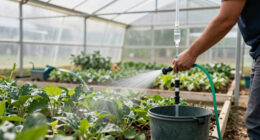
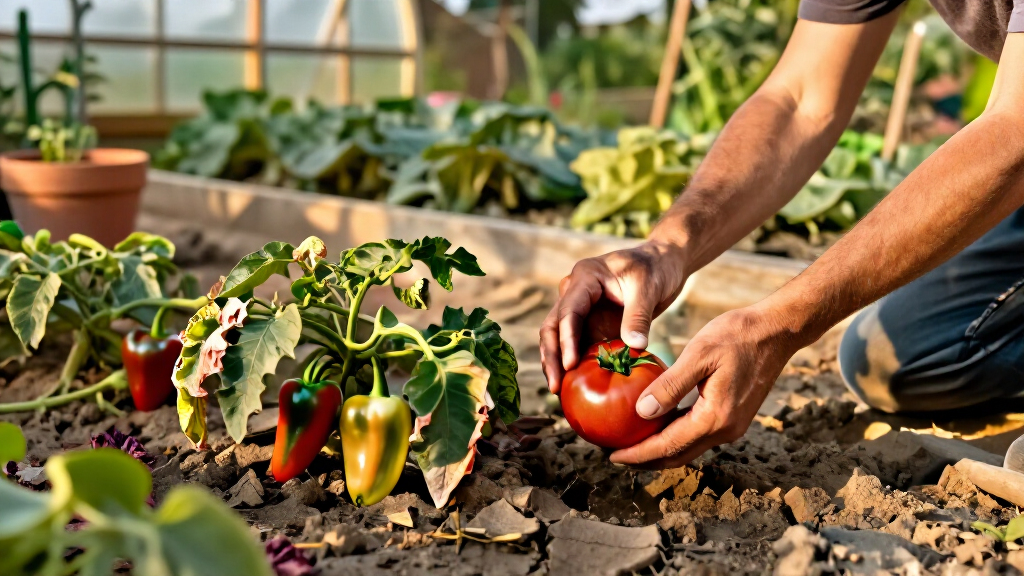
Bob described watering as a major challenge, saying the dry ground absorbed water quickly and that a hosepipe ban made the effort harder. He reported that containers held onto water more effectively than surrounding garden soil in his experience. Tomatoes and squashes also did better when he directed water to their roots using plastic bottle funnels, although he said nearby soil remained dry and limited their growth.
The results varied by crop and harvest timing. Bob said onions, garlic and the earliest potatoes benefited from moisture left by a wetter winter. Early berries and currants were good, while later blackberries arrived about a month early and were poor. Apricots, peaches and cherries did well early in the season, but he reported smaller apples and pears despite thinning the fruit, with many damaged by worms.
He singled out figs and grapes as standout successes, describing abundant grapes and fruit that was largely free of flies and wasps. Bob plans to plant more perennial fruit, including currants, berries, apricots and grapes, and named the grape varieties Siegerrebe, Suffolk Red, Regent and Boskoop Glory. These are his observations and plans, not a controlled comparison of crop performance.
How Drought Changed the Harvest
The account offers a practical example of how heat and limited water can affect a garden unevenly: some crops suffered, while others produced well or could be watered more effectively. For home growers, Bob’s experience points to potential planning choices such as using containers for crops that need more reliable watering and directing water toward plant roots. The report does not establish that these methods will work equally well in other gardens, where soil, exposure and water access differ.
His decision to favor perennial fruits also reflects concern that similarly difficult summers could recur. That is a personal assessment rather than a forecast in the source. Still, the varied harvest illustrates why growers may weigh water needs, harvest timing and local conditions when deciding what to plant.
As an affiliate, we earn on qualifying purchases.
A Season of Uneven Crops
Bob’s report describes conditions in the South East of England during a summer marked by extreme heat and drought. He said the difficulty began before a hosepipe ban and increased after it. The source does not provide rainfall totals, temperature records, dates for the ban or details about the garden’s soil and water supply.
The account also notes that a wetter winter left some moisture in the soil early in the growing season, which Bob said helped onions, garlic and the first potatoes. That detail offers one explanation for why early crops fared better than some later fruit. The report is a single gardener’s season review, not a regional survey or an official assessment of crop losses.
““I feel I carried more water to my vegetable plot than you’d get in a small canal!””
— Bob, the gardener quoted in Amateur Gardening
What One Garden Cannot Establish
The report does not say exactly when the account was published, how long the drought lasted, or how much water Bob used. It provides no measured yields, temperatures or rainfall figures, and does not compare the garden with other sites. The source also does not establish whether the results were caused solely by heat and drought rather than other growing conditions or crop-specific problems.
Bob expects similarly difficult or worse seasons may occur more often, but the article presents that as his view; it does not cite a climate projection. It is also unclear how the grape varieties he recommends would perform in other locations or under different soil and care conditions. His observations should be read as an individual account, not a guarantee of future results.
Planting Plans for Next Year
Bob says he intends to reduce the number of annual vegetables and flowers he grows, keeping some of the earliest crops and those he can raise in containers. He plans to add more perennial fruits, including currants, berries, apricots and grapes, and recommends several grape varieties from his own perspective.
The report encourages readers to consider planting fruit, but it does not provide a planting schedule or tailored advice for different regions. The next useful evidence will come from how those plantings establish and perform over subsequent seasons; the source does not report any further results yet.
Key Questions
Which crops did the gardener say survived best?
Bob described figs and grapes as especially successful. He also said containers, tomatoes and squashes that he watered directly at the roots had better results than many other crops, though the report gives no measured yields.
Which crops struggled in the dry summer?
He said later blackberries were poor, while apples and pears were small and often damaged by worms. Some crops and flowers had to be given up, but he did not provide a complete list or quantify losses.
What does Bob plan to grow next year?
He plans to grow fewer annual vegetables and flowers and more perennial fruits, including currants, berries, apricots and grapes. He also named Siegerrebe, Suffolk Red, Regent and Boskoop Glory as grape varieties he recommends.
Does the report prove that containers are better in drought?
No. Bob said containers performed better in his garden because they retained water more effectively, but this is a single gardener’s observation, not a controlled trial or a guarantee for other gardens.
Source: rss
Halloween Picks
halloween
As an affiliate, we earn on qualifying purchases.