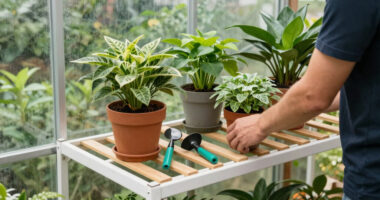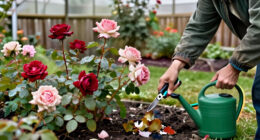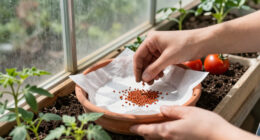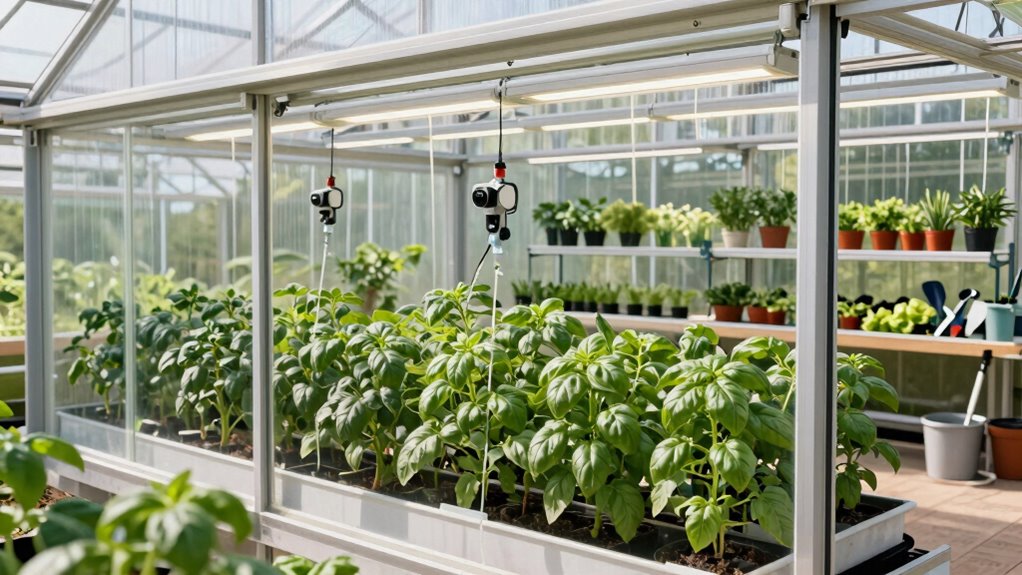

To make your premium greenhouse productive all year, focus on strategic crop rotation, climate control, and soil health. Adjust lighting, temperature, and humidity to extend growing seasons and prevent stress. Implement integrated pest management, use beneficial insects, and maintain sanitation for pest control. Regularly update plant selections based on weather patterns and soil needs. Balancing these practices guarantees continuous harvests, and by exploring further, you’ll discover even more ways to optimize your greenhouse’s potential year-round.

Get garden gear delivered free with Prime
- Fast, free delivery on millions of items
- Prime Video, Amazon Music and more included
- Member-only deals all year
Key Takeaways
- Implement seasonal crop rotation to maximize greenhouse capacity and maintain soil health throughout the year.
- Utilize climate control systems to extend growing seasons and optimize conditions during seasonal transitions.
- Rotate crops based on nutrient needs and growth habits to prevent soil depletion and reduce pests.
- Apply integrated pest management and sanitation practices to keep pests and diseases under control year-round.
- Regularly monitor and adjust environmental factors like humidity and ventilation for consistent plant health and productivity.
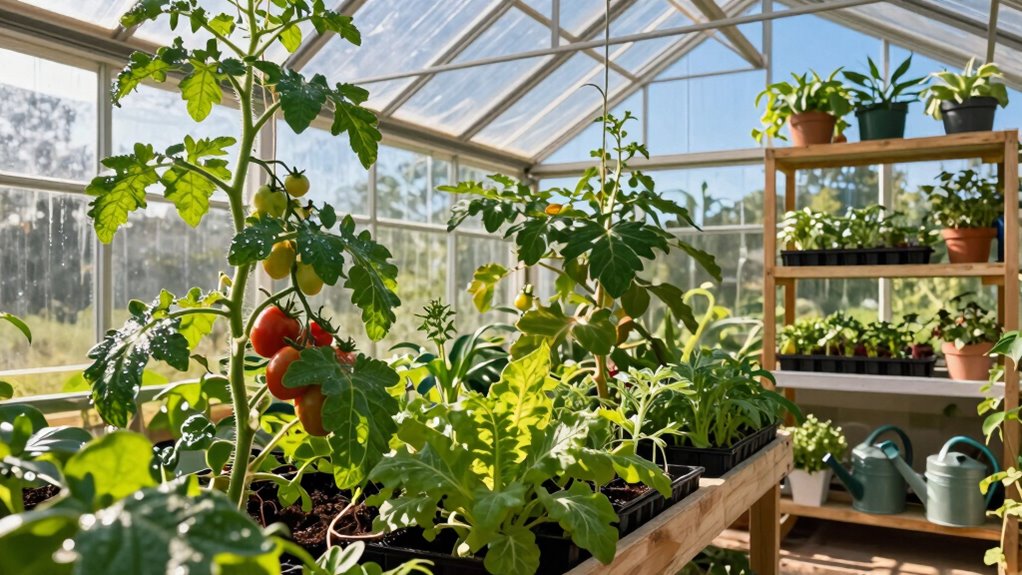
A greenhouse isn’t just a summer luxury; with the right planning, you can enjoy fresh produce and vibrant plants year-round. To maximize your greenhouse’s potential, you need to understand how to implement seasonal plant rotation effectively. This strategy involves changing your crops based on the time of year, which helps prevent soil depletion and reduces pest buildup. By rotating plants with different nutrient needs and growth habits, you guarantee the soil remains healthy and productive. For example, you might grow leafy greens in early spring, then switch to fruiting vegetables like tomatoes or peppers in summer, and follow with root crops or herbs in fall. This cycle keeps your greenhouse productive throughout the year and minimizes the risk of diseases that often target specific plant families. Incorporating seasonal crop planning** ensures you make the most of your greenhouse’s capabilities during each season. Additionally, adjusting your lighting and temperature controls can extend growing seasons and improve crop yields in cooler months. Proper climate control is crucial for maintaining optimal conditions and preventing plant stress, especially during seasonal transitions. Regularly updating your plant selection based on current weather patterns can also help optimize growth and resilience. Moreover, understanding the importance of soil health** can significantly enhance your crop productivity and sustainability in the long term.
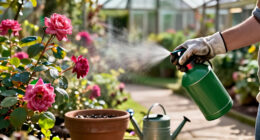
Alongside seasonal plant rotation, pest management techniques are essential. Pests can quickly ruin your crop, especially in a controlled environment like a greenhouse. Implement integrated pest management (IPM) strategies to keep pests in check without relying heavily on chemicals. Start by inspecting new plants thoroughly before introducing them into your greenhouse, as prevention is always better than cure. Use physical barriers like screens or row covers to keep pests out, and introduce beneficial insects such as ladybugs or parasitic wasps to naturally control pest populations. Regularly monitoring your plants for signs of pests or disease allows you to act swiftly before problems escalate. Maintaining cleanliness is vital—remove fallen leaves, weeds, and debris that can harbor pests or pathogens. You can also use organic pest control methods, like neem oil or insecticidal soaps, which are effective yet gentle on your plants and the environment.
Maximizing productivity in a premium greenhouse requires a thoughtful balance of crop planning and pest control. Adjust your plant selection based on seasonal changes, and rotate crops to keep your soil healthy and pests at bay. Employ pest management techniques that focus on prevention and biological controls instead of chemical sprays, which can harm beneficial insects and compromise plant health. Proper ventilation, humidity control, and sanitation all contribute to a healthy growing environment. By staying vigilant and adapting your practices throughout the year, you’ll be able to enjoy a continuous harvest of fresh vegetables, herbs, and flowers. With these strategies in place, your greenhouse can become a reliable source of fresh produce and lush plants no matter the season.
greenhouse climate control systems
As an affiliate, we earn on qualifying purchases.
As an affiliate, we earn on qualifying purchases.
Frequently Asked Questions
How Do I Prevent Pests in a Year-Round Greenhouse?
To prevent pests year-round in your greenhouse, you should implement integrated pest management strategies. Regularly inspect your plants for signs of pests and use natural pest deterrents like neem oil or companion planting to keep pests at bay. Keep the greenhouse clean, remove diseased or infested plants promptly, and maintain proper ventilation. These combined approaches help minimize pest problems and promote healthy, productive growth all year long.
What Are the Best Lighting Options for Winter Growth?
When it comes to winter growth, you need to keep the lights on to give your plants a fighting chance. LED lighting is your best bet because it’s energy-efficient and provides a full spectrum for healthy growth. Use supplemental illumination during the darker months, especially in the early mornings and evenings, to give your plants the light they need. This way, you’re turning the winter blues into a thriving growing season.
How Can I Automate Climate Control Effectively?
You can automate climate control by installing a smart system that manages temperature, humidity, and ventilation. Use automated watering to keep your plants hydrated without manual effort, and incorporate humidity regulation to prevent mold and stress. Connect sensors to monitor conditions constantly, and program your system to adjust vents, fans, and misting devices automatically. This setup guarantees ideal growing conditions, saving you time and maintaining a healthy, productive greenhouse year-round.
What Crops Are Most Suitable for All-Year Cultivation?
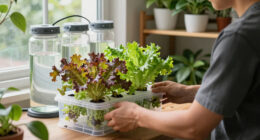
You should grow crops like lettuce, herbs, and strawberries year-round, as they’re well-suited for continuous cultivation in a greenhouse. Using hydroponic techniques, you can optimize growth and reduce soil issues. Incorporate crop rotation strategies to maintain soil health and prevent pests. This approach guarantees a steady supply of fresh produce, maximizes your greenhouse’s productivity, and allows you to adapt to seasonal changes effortlessly.
How Do I Maintain Soil Health Over Multiple Seasons?
Think of your soil as a living, breathing partner. To keep it healthy through seasons, prioritize crop rotation, giving each section time to recover and replenish nutrients. Regularly add organic matter like compost to boost soil fertility. Avoid overworking the soil, and monitor moisture levels diligently. By nurturing this essential partner, you’ll guarantee your greenhouse remains productive and the soil stays vibrant for years to come.
Conclusion
To truly maximize your greenhouse’s potential year-round, you’ll want to embrace its full charm and versatility. Think of it as a personal sanctuary where your plants, like loyal companions, flourish with just a bit of attention and care. When you nurture your greenhouse consistently, you’re nurturing your own passion and patience. Remember, a well-tended greenhouse is the gentle gardener’s secret, quietly turning your gardening dreams into a lush, thriving reality—day after day, season after season.
Halloween Picks
halloween
As an affiliate, we earn on qualifying purchases.