
TL;DR

Get garden gear delivered free with Prime
- Fast, free delivery on millions of items
- Prime Video, Amazon Music and more included
- Member-only deals all year
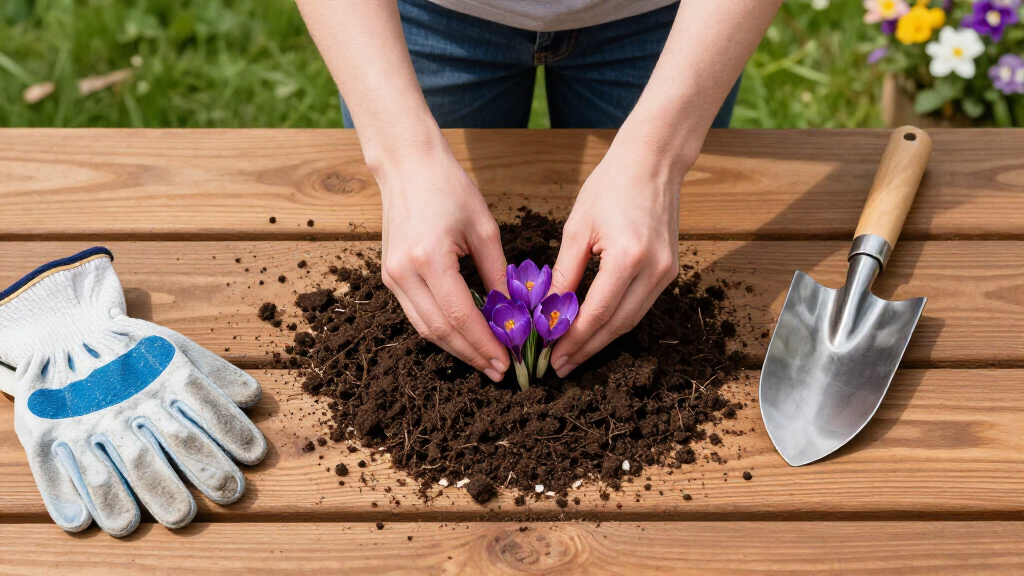
Garden professionals recommend specific fall planting techniques to achieve vibrant crocus blooms next spring. Proper timing, soil prep, and planting depth are key, with common mistakes highlighted. This advice aims to help gardeners succeed in creating colorful lawns.
Garden professionals are emphasizing the importance of precise fall planting techniques to ensure a lawn full of crocuses next spring. These tips, based on established horticultural practices, aim to help gardeners avoid common mistakes and achieve a vibrant, colorful carpet of blooms.
According to experienced landscapers and horticulturists, the key to successful crocus planting is to do so in early fall, typically between September and October, before the first hard frost. They recommend selecting well-drained soil with a neutral to slightly alkaline pH, and adding organic matter to improve soil fertility and drainage. Plant bulbs at a depth of about 3 inches, spacing them roughly 2 to 3 inches apart to allow for growth and naturalization.
Experts also advise planting crocus bulbs with the pointed end facing upward, ensuring proper orientation for sprouting. They emphasize the importance of consistent watering after planting to help bulbs establish roots, but caution against overwatering, which can lead to rot. Mulching with a layer of organic material can protect bulbs from extreme temperature fluctuations and weeds.
Common mistakes include planting too shallow, which can cause bulbs to dry out or be disturbed by pests, and waiting too long into fall, risking planting during unsuitable weather. The advice is supported by horticultural research and years of practical experience, aiming to maximize bloom quality and longevity.
Why Fall Planting Is Critical for Crocus Success
Proper fall planting of crocuses is essential for gardeners aiming to enjoy early spring color. Correct timing, soil preparation, and planting depth directly influence the quality and quantity of blooms. Following expert advice can help avoid common pitfalls like bulb rot, poor emergence, or sparse flowering, making fall planting a worthwhile investment for a vibrant garden.
As an affiliate, we earn on qualifying purchases.
Crocus Planting Trends and Growing Popularity
Interest in cultivating crocuses has surged this year, driven by increased coverage in gardening media and social platforms highlighting early spring color. While planting bulbs in fall is a well-established practice, recent spikes in search interest suggest more gardeners are seeking expert guidance to improve success rates. Historically, crocuses have been valued for their early blooms and ease of naturalization, making them a popular choice for lawns and flower beds.
However, despite widespread awareness, many gardeners still encounter issues like planting at the wrong depth or timing, which can reduce flowering success. The current trend indicates a desire for more detailed, expert-backed advice to maximize results, especially as more people attempt to create naturalized lawns with spring bulbs.
Unconfirmed Aspects of Fall Crocus Planting Timing
While experts agree on general timing and techniques, the precise optimal planting window may vary based on regional climate conditions. Some gardeners question whether later plantings can still yield robust blooms, and whether specific soil amendments significantly improve success rates. These aspects are still being studied, and local conditions may influence outcomes.
Next Steps for Gardeners Planning Fall Crocus Planting
Gardeners should plan to plant crocus bulbs in early fall, ideally between September and October, following local frost schedules. It is advisable to prepare soil in advance, purchase high-quality bulbs, and follow expert planting depths. Monitoring weather conditions and adjusting watering practices will also be crucial. As spring approaches, gardeners can expect to see the first blooms emerge, confirming the success of their fall efforts.
Key Questions
When is the best time to plant crocus bulbs in fall?
The optimal window is typically between September and October, before the first hard frost, but timing can vary by region. Early planting ensures bulbs establish roots before winter.
How deep should crocus bulbs be planted?
Experts recommend planting crocus bulbs about 3 inches deep, with the pointed end facing upward, to promote healthy emergence and bloom development.
Can I plant crocus bulbs later in the fall?
While planting earlier in fall is preferred, some experts suggest that planting up to mid-October can still produce good blooms, provided the soil is workable and conditions are suitable.
What are common mistakes to avoid when planting crocuses?
Avoid planting too shallow, which can lead to poor emergence, and waiting too long into fall, which risks planting during unsuitable weather. Proper soil drainage and planting depth are key.
Do I need to mulch after planting crocus bulbs?
Yes, applying a layer of organic mulch can protect bulbs from temperature fluctuations, suppress weeds, and help retain soil moisture during winter.
Source: rss
Halloween Picks
halloween
As an affiliate, we earn on qualifying purchases.