
TL;DR

Get garden gear delivered free — and shop member deals
- Fast, free delivery on millions of items
- Access to Prime Big Deal Days deals on October 6–7
- Prime Video, Amazon Music and more included
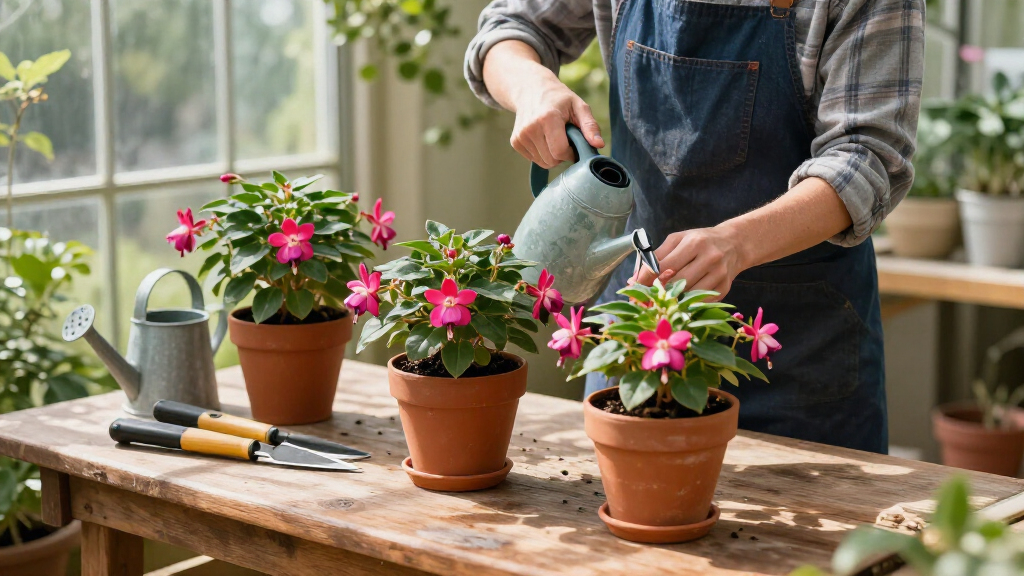
This article provides six confirmed tips for caring for fuchsias in September to promote a final bloom and prepare for next year’s display. Proper maintenance now can lead to a more flamboyant flowering season.
Garden experts recommend six key care practices for fuchsias in September to encourage a final burst of flowers and set the stage for a vibrant display next year. These tips focus on pruning, watering, feeding, and protection, according to horticultural sources.
Fuchsias, known for their striking, pendulous flowers, require specific care in September to maximize their flowering potential. Experts advise gardeners to perform a final light pruning to remove dead or damaged stems, which promotes healthy growth and flowering. Proper watering is crucial; soil should be kept consistently moist but not waterlogged, especially as temperatures begin to cool. Fertilization with a balanced, high-potassium feed supports flower development and overall plant vigor.
Additionally, September is an ideal time to check for pests and diseases, treating any issues promptly to prevent them from overwintering. Protecting fuchsias from early frosts by moving potted plants indoors or covering outdoor specimens is recommended, as frost can damage the delicate blooms and stems. Finally, mulching around the base of the plants helps retain soil moisture and insulates roots against temperature fluctuations, ensuring healthy regrowth in spring.
Why September Care Is Critical for Fuchsia Success
Proper care in September directly influences the fuchsia’s ability to produce a final, spectacular flush of flowers and establishes healthy growth for the following season. By following expert-recommended practices, gardeners can extend blooming periods and improve plant resilience. This is especially important as many regions experience a transition from summer to autumn, which can stress plants if not managed correctly. The right interventions now can mean the difference between a lackluster display next year and a flamboyant, eye-catching garden feature.
As an affiliate, we earn on qualifying purchases.
Fuchsias’ Growth Cycle and Seasonal Care Needs
Fuchsias are typically grown as summer-flowering plants, with their peak bloom period from late spring through late summer. As September arrives, the plant’s energy shifts from producing new flowers to preparing for dormancy. Gardeners have historically focused on spring and summer care, but recent trends emphasize the importance of late-season maintenance to ensure strong regrowth. This shift is driven by increased interest in extending flowering periods and improving plant health over winter.
While some gardeners prune heavily in early autumn, experts now suggest a more measured approach in September, focusing on light pruning and pest management. The practice of mulching and frost protection has also gained prominence as climate variability introduces new challenges. Overall, September is increasingly recognized as a critical month for fuchsia maintenance, bridging the gap between summer flowering and winter dormancy.
Unconfirmed Aspects of September Fuchsia Care
While these tips are widely recommended, specific timing and methods may vary depending on regional climate conditions. It is not yet clear whether certain late-season practices, such as specific fertilization schedules or pruning techniques, will significantly impact flowering next year across different environments. Further research is needed to confirm the long-term benefits of some recommended practices, and individual results may vary.
Next Steps for Fuchsia Enthusiasts
Gardeners should implement these six tips throughout September, monitoring their plants closely for signs of stress or pests. As the season progresses, preparing for frost protection and planning for early spring pruning will be essential. Experts suggest documenting plant responses to refine care routines for future years. Additionally, observing how fuchsias respond to late-season feeding and pruning can help gardeners optimize their approach for the best flowering results in subsequent seasons.
Key Questions
When is the best time to prune fuchsias in September?
Light pruning should be done early in September to remove dead or damaged stems, encouraging healthy growth without risking over-pruning that could reduce flowering.
Can I leave my potted fuchsias outside in September?
Yes, but it is important to protect them from early frosts by moving potted plants indoors or covering them with frost cloths once temperatures drop below freezing.
What type of fertilizer is best for fuchsias in September?
A balanced, high-potassium fertilizer supports flowering and plant health during this critical period.
How do I prevent pests and diseases in September?
Regular inspection and prompt treatment of any infestations or infections are recommended, along with good hygiene and proper watering practices.
Will my fuchsias bloom again next year if I follow these tips?
Following these care tips can promote healthy growth and flowering, increasing the likelihood of a vibrant display next year, though results may vary depending on local conditions.
Source: rss
Fall yard work Picks
leaf blowers
As an affiliate, we earn on qualifying purchases.