
TL;DR

Get garden gear delivered free with Prime
- Fast, free delivery on millions of items
- Prime Video, Amazon Music and more included
- Member-only deals all year
Gardening Know How’s October strawberry-care report recommends five steps to prepare plants for winter: remove damaged foliage and weeds, manage runners, check soil moisture, mulch after plants go dormant, and protect containers. The right timing varies by climate, strawberry type and growing setup; the source does not promise a particular yield.
Gardening Know How has published an October checklist advising strawberry growers to clear damaged foliage and weeds, manage runners, check soil moisture, add winter mulch at the right time and protect container-grown plants. The guidance is aimed at helping crowns and shallow roots withstand winter, though the report says care should vary by climate, variety and growing setup.
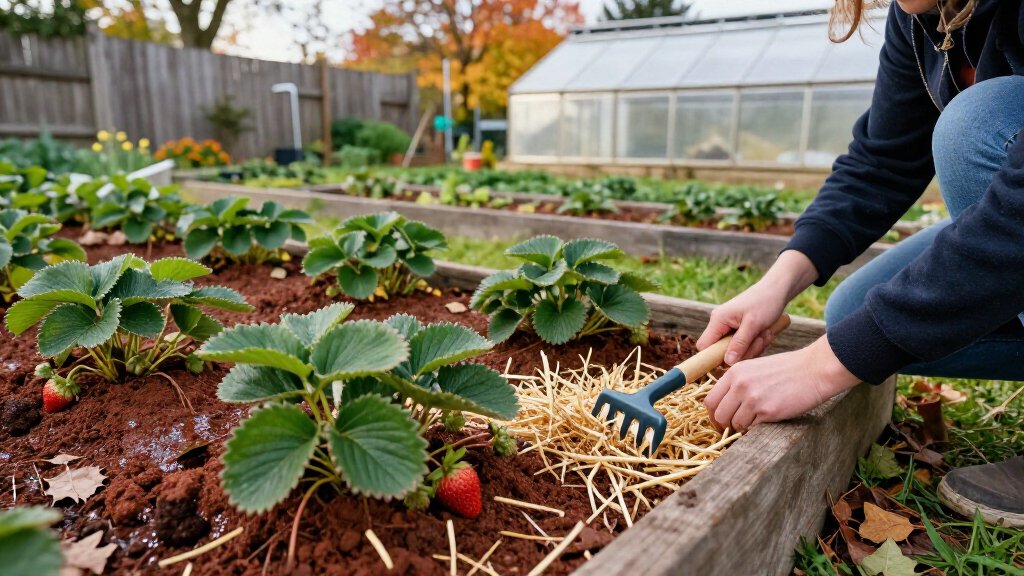
The report’s first task is to remove brown, decayed or spotted leaves, along with weeds, while leaving healthy foliage in place. It identifies reddish-purple spots as a possible sign of strawberry leaf spot and recommends removing cuttings from the bed rather than leaving them there. The article advises against cutting plants back aggressively in October: healthy leaves continue to support the crown, and June-bearing plants form flower buds for the following season as days shorten.
For runners, the report distinguishes among strawberry types. In established June-bearing rows, growers can retain selected healthy daughter plants to fill gaps and remove surplus runners. It suggests spacing crowns about 6 to 8 inches apart. For everbearing and day-neutral varieties, it recommends cutting fall runners so the plants keep their energy in the crowns. These instructions are the article’s gardening guidance, not a guarantee of a particular spring crop.
The remaining tasks are to check soil moisture and avoid letting plants enter winter severely dry, then apply mulch after plants are dormant and cold weather has arrived. The source also advises extra attention to strawberries in containers, raised beds and towers, which may be more exposed to cold than plants in the ground. It does not provide a single mulch schedule or amount that applies to all regions, so local conditions matter.
Protecting Crowns Before Winter
The advice focuses on the crown, the central part of a strawberry plant from which new leaves and flowers grow. The source says it sits near soil level and can be damaged by winter conditions. Strawberry roots are also relatively shallow, making plants vulnerable to drying and to soil movement during freeze-thaw cycles.
That matters because autumn care can affect how plants come through dormancy and resume growth. The report warns that a sunny thaw followed by a hard freeze can push plants out of the ground and tear roots. Removing diseased material and keeping weeds under control can also reduce problems in the bed, while avoiding aggressive cutting helps preserve healthy leaves. The guidance offers practical risk-reduction steps, not evidence that following them will produce a bumper crop.
Products Worth Considering

Orbit B-hyve Smart Indoor/Outdoor 12-Zone Sprinkler Controller

Greenworks 40V Cordless Leaf Blower/Vacuum with 5.0 Ah Battery and Charger

Husqvarna Power Axe 350i 18-Inch Cordless Chainsaw Kit
As an affiliate, we earn on qualifying purchases.
Care Varies by Climate and Setup
The report frames October as a preparation period, but says the work differs by region. In colder USDA hardiness zones 3 to 6, it describes the month as a time to prepare beds and containers before freezes. In warmer zones 8 to 10, the source says October may be suitable for planting new runners. Those zone ranges are part of the article’s guidance; gardeners still need to account for local weather and the condition of their plants.
Growing setup also changes winter exposure. In-ground rows benefit from the surrounding soil, while plants in raised beds, terracotta pots or vertical towers may face colder conditions. Variety matters too: the source names June-bearing, everbearing and day-neutral strawberries and gives different runner advice for each. Its central point is to protect plants without applying one pruning or winter-preparation routine to every patch.
“The thick stem at the center of each plant, where new leaves and flowers start.”
— Gardening Know How report
Local Timing Still Matters
The report does not specify a single date for mulching or a universal mulch depth, and it does not establish that the recommended tasks will deliver a larger harvest. Timing depends on when plants become dormant and when sustained cold arrives, details that differ by location. The supplied report text also does not complete its discussion of day-neutral runners in cold regions, so that specific point cannot be stated with confidence.
Growers should also distinguish possible leaf-spot symptoms from other causes of damaged foliage; the article identifies reddish-purple spots as a sign but does not offer a diagnostic process. It gives general advice rather than individualized instructions for particular cultivars, unusual weather, or local disease pressure.
Monitor Plants as Cold Arrives
Gardeners can begin by inspecting leaves and weeding carefully, then decide which runners to keep based on the strawberry type and available space. The next step is to monitor soil moisture and local temperatures as plants approach dormancy. Mulch should be timed to local conditions rather than applied according to a date alone, and container plants warrant separate checks because their roots are more exposed.
As winter progresses, the practical test will be whether crowns remain protected and rooted through cold spells and thaws. The source provides no follow-up results or crop forecasts; spring growth and eventual yields remain dependent on weather, plant health and care over time.
Key Questions
Should strawberry plants be cut back in October?
The report advises removing damaged, brown or diseased leaves but keeping healthy green foliage. It says hard shearing is better reserved for post-harvest renovation.
What should I do with strawberry runners?
For June-bearing plants, keep selected healthy runners if you need daughter plants to fill gaps and remove excess growth. The report recommends removing fall runners from everbearing and day-neutral plants.
When should I mulch strawberries for winter?
The source advises applying mulch after plants are dormant and cold weather has arrived, but it does not give one date or depth for every region. Follow local conditions.
Do strawberries in pots need extra protection?
The report says plants in containers, raised beds and towers may be more exposed to cold than in-ground rows. Check them separately and plan protection for local winter conditions.
Source: gardeningknowhow.com