TL;DR

Get garden gear delivered free with Prime
- Fast, free delivery on millions of items
- Prime Video, Amazon Music and more included
- Member-only deals all year
Homes & Gardens’ November planting guide highlights five flowers that can bring color through winter: pansies, violas, Christmas roses, winter heather and hardy cyclamen. Whether they bloom soon and how well they cope with cold depends on the plant, local climate, and whether it is established or newly planted.
Homes & Gardens has published a November planting guide featuring five flowers that can add color during winter: winter pansies, violas, Christmas roses, winter heather and hardy cyclamen. The report says November can be a suitable time to plant while soil remains workable, but results depend on local conditions, hardiness zone and whether gardeners buy established plants or plant tubers.
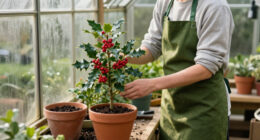
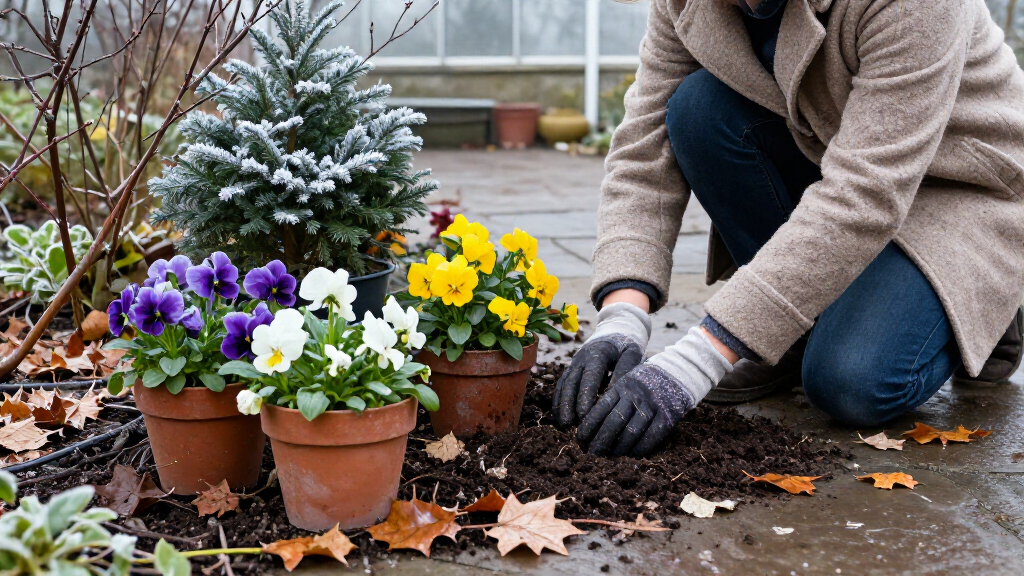
The guide recommends choosing nursery-grown plants when the aim is to see flowers soon. Established pansies and violas may flower during mild winter spells, while hellebores bought in bud or bloom offer a better chance of flowering in the current season. The report cautions that smaller, newly planted Christmas roses may take longer to flower, and cyclamen tubers planted in November may not provide an immediate display.
Each plant has different site needs. Pansies and violas prefer cool conditions and well-drained soil; violas should be kept moist but not waterlogged. Winter heather needs sun and free-draining soil, and the article advises checking the cultivar’s cold tolerance. Hardy cyclamen suits partial shade and well-drained ground, while Christmas roses generally do best in partial shade and rich, well-drained soil.
The advice also varies by region. The report says pansies can flower through winter in Zones 6–9, while hard freezes in Zones 3–5 may interrupt flowering. It describes winter jasmine as an option in milder Zones 6–10, but the five featured plants are its main recommendations for November color. Gardeners in colder areas are advised to favor hardy, established plants and shelter containers, which can freeze faster than garden beds.
Matching Winter Flowers to Local Conditions
The recommendations offer gardeners a way to add color before spring without assuming that one planting plan works everywhere. A sheltered pot near a wall may protect plants in a cold region, while mild-winter gardens can support a wider range of flowering choices. Matching a plant to its hardiness range and drainage needs can help reduce the chance that it struggles after planting.
The distinction between an established plant and a newly planted tuber also sets realistic expectations. A plant already in bud may provide a near-term display; planting a tuber or a small specimen is a longer-term choice. The guide does not promise continuous flowers in every location, particularly where hard freezes occur.
Products Worth Considering

Orbit B-hyve Smart Indoor/Outdoor 12-Zone Sprinkler Controller

Orbit B-hyve XR 16-Zone Indoor/Outdoor Smart Sprinkler Timer

14 Pcs Polycarbonate Greenhouse Panels, 6' x 2' x 0.24'' Twin-Wall Panels, Polycarbonate Sheet for All Weather Outdoor Garden and Greenhouse
As an affiliate, we earn on qualifying purchases.
November Planting and Bloom Timing
The report frames November as a useful planting window because soil may still be workable, while temperatures are suitable for cool-season flowers in many areas. Its advice is aimed at gardeners planning for the coming months, rather than only preparing beds for next year. The article also notes that bare-root roses can be planted at this time, though their flowers arrive later in the year and they are not among the five winter-flowering selections.
Hardiness zones provide a broad guide, not a guarantee of local performance. The source gives approximate ranges for several plants, including Zones 4–9 for many violas, Zones 4–8 for Christmas roses depending on variety, and Zones 4–8 for hardy cyclamen. Exposure, container conditions and cultivar can affect how a plant performs within those ranges.
“November is a really good time to get winter-flowering plants in the ground, while the soil is workable.”
— Homes & Gardens report
Local Frosts Shape Flowering
The guide does not establish that any of the five plants will flower continuously or reliably in every region. Bloom timing and winter survival remain climate-dependent, and the report gives no location-specific forecast or guarantees for individual cultivars. Its hardiness-zone ranges are general guidance; gardeners still need to check the label for the variety they buy and account for exposure, drainage and container size.
The supplied report text ends partway through its hardy-cyclamen advice. It identifies the plant’s stated flowering period and site preferences, but does not provide the full discussion of its cold-weather precautions. No independent trial results or quantified flowering outcomes are included.
Check Conditions Before Planting
Before buying, gardeners can check the expected frost conditions, the plant’s stated hardiness range and whether the soil or pot will drain freely. For a display this winter, the guide favors established plants already in bud or bloom; tubers and small specimens may need more time. In colder regions, it recommends sheltering pots and choosing hardy plants suited to the site.
Planting outcomes will become clearer as temperatures change through winter. The report does not announce a follow-up or a specific next milestone; the practical next step is to follow the care and exposure guidance for the selected cultivar and adjust protection to local weather.
Key Questions
Which flowers does the November guide recommend?
It features winter pansies, violas, Christmas roses, winter heather and hardy cyclamen as options for winter color.
Which plants are most likely to flower soon after planting?
The guide recommends buying established plants, especially specimens already in bud or bloom, for a better chance of seeing flowers soon. Newly planted cyclamen tubers and smaller Christmas roses may take longer.
Can these flowers grow in colder regions?
Some are described as hardy across colder zones, but performance depends on the variety and conditions. The report advises gardeners in colder areas to select hardy, established plants and shelter pots from severe cold.
Where should winter heather and hardy cyclamen be planted?
Winter heather prefers sun and free-draining soil. Hardy cyclamen prefers partial shade and well-drained ground, such as beneath deciduous trees or beside a shrub.
Source: homesandgardens.com