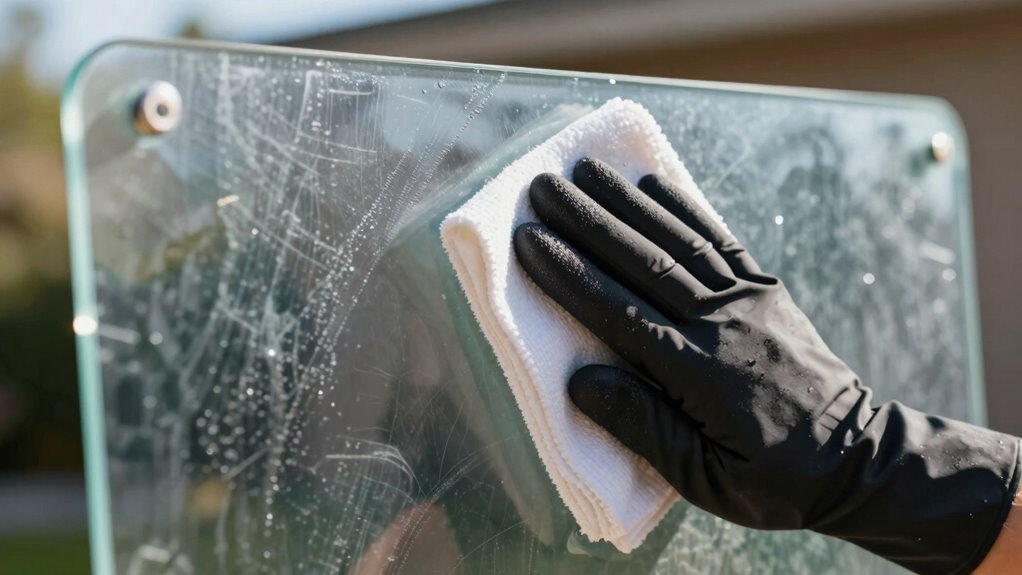
To clean polycarbonate panels without damaging them, use gentle, non-abrasive cleaning supplies like mild soap or specialized plastic cleaners, and avoid rough scrubbers or chemicals like ammonia. Gently rinse with water first, then wipe with soft microfiber cloths, applying even pressure. Protect the panels from harsh sunlight during cleaning and store them away from extreme temperatures. Keep practicing proper techniques, and you’ll learn more about maintaining their clarity and durability.

Get garden gear delivered free with Prime
- Fast, free delivery on millions of items
- Prime Video, Amazon Music and more included
- Member-only deals all year
Key Takeaways
- Use gentle, non-abrasive cleaning tools like microfiber cloths and soft sponges.
- Select mild, plastic-safe cleaners and avoid harsh chemicals such as ammonia or bleach.
- Rinse panels thoroughly with lukewarm water before cleaning to remove loose dirt and debris.
- Clean with gentle strokes and even pressure, avoiding excessive scrubbing or abrasive materials.
- Protect panels from direct sunlight during cleaning and store away from UV exposure to prevent damage.
microfiber cloths for plastic cleaning
As an affiliate, we earn on qualifying purchases.
As an affiliate, we earn on qualifying purchases.
Why Proper Cleaning Matters for Polycarbonate Panels
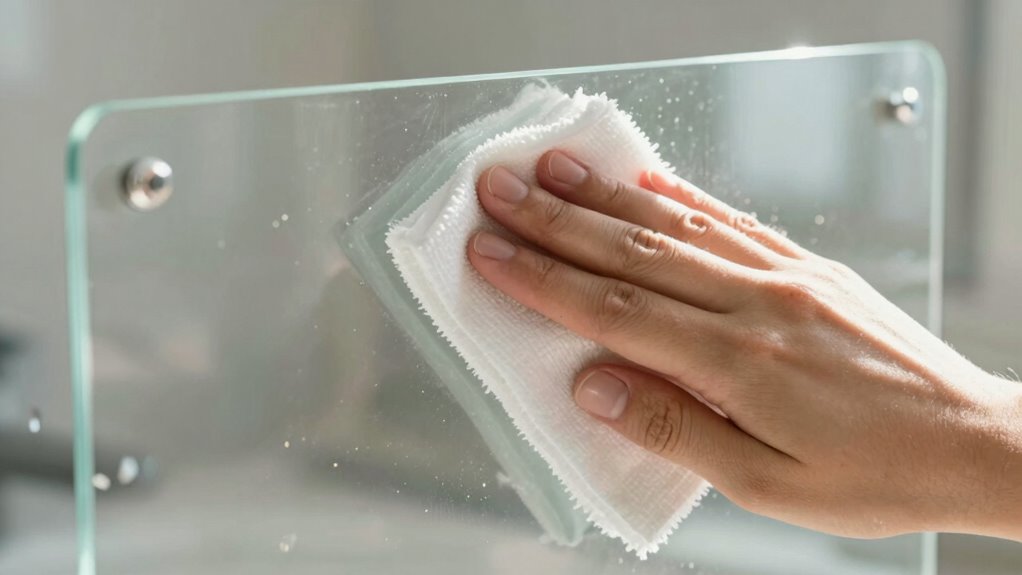
Ever wonder why cleaning polycarbonate panels properly is so important? Your efforts directly impact their polycarbonate aesthetics and surface durability. When cleaned correctly, the panels maintain their clarity and shine, enhancing the overall appearance. Proper cleaning prevents scratches, which can dull the surface and diminish transparency. Using harsh materials or abrasive cleaning methods can damage the surface, leading to cracks or cloudiness over time. Regular, gentle cleaning helps preserve the integrity of the material, ensuring it stays resilient against environmental factors. Incorporating landscaping techniques can also help protect the panels from debris and reduce the need for frequent cleaning. Additionally, understanding the properties of polycarbonate can guide you in selecting the most suitable cleaning methods. Knowing the market reputation of cleaning products can further ensure you choose safe and effective options. Being aware of common cleaning mistakes can help you avoid damaging your panels unintentionally. By taking care of your panels, you extend their lifespan and keep them looking new longer. Ultimately, proper cleaning isn’t just about appearance—it’s about protecting your investment and maintaining the durability of the polycarbonate surface.
How Dirt and Grime Accumulate on Polycarbonate Surfaces
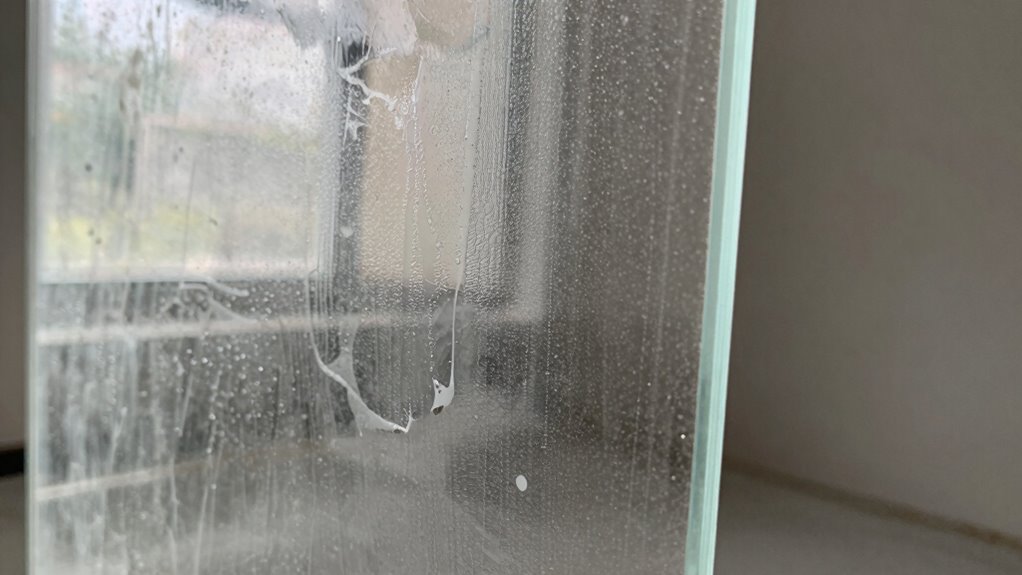
Dirt and grime naturally settle on polycarbonate surfaces over time, especially when exposed to outdoor elements. Surface contamination from dust, pollen, and dirt accumulates quickly, creating a dull appearance and reducing transparency. Environmental impact plays a role, as pollutants and airborne particles cling to the surface, making cleaning necessary to preserve clarity. Rain can wash away some debris, but stubborn dirt and grime often stick, especially in textured areas or crevices. Over time, this buildup can lead to surface damage if not cleaned properly. Regular maintenance helps prevent the deterioration caused by dirt and environmental contaminants. Understanding how these elements collect on polycarbonate surfaces and how proper cleaning techniques can help maintain their clarity and longevity. Additionally, knowing the material properties of polycarbonate can guide you in selecting the safest cleaning methods. Being aware of the pollution factors that contribute to surface grime can further aid in planning effective cleaning routines to extend the lifespan of your panels.
Choosing Safe Cleaning Supplies for Polycarbonate
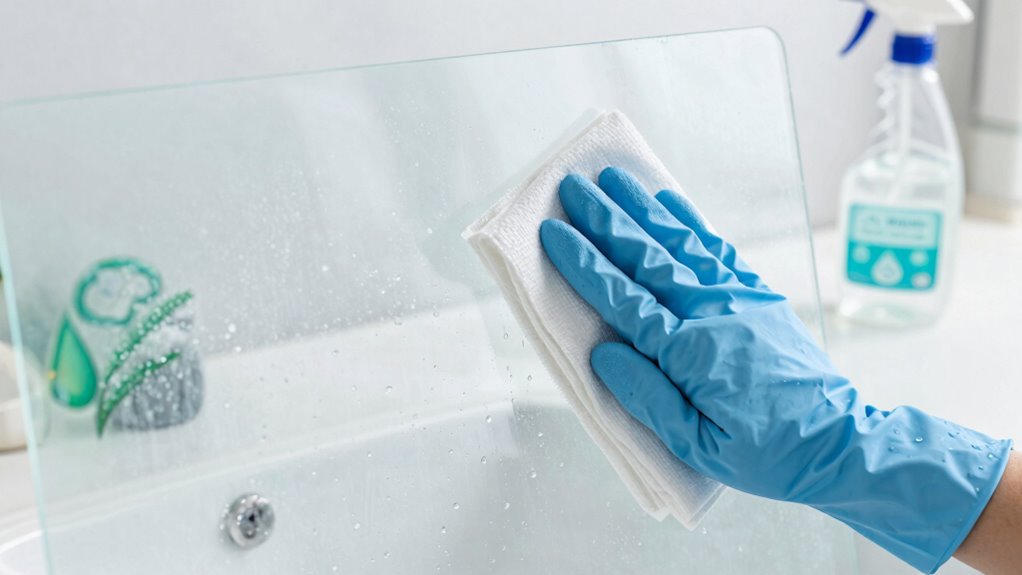
When selecting cleaning supplies for your polycarbonate panels, choose gentle products that won’t cause scratches or damage. Avoid abrasive tools like steel wool or rough scrubbers, which can harm the surface. Always check that the chemicals you use are compatible with polycarbonate to prevent unintended deterioration. Using appropriate tools can help maintain the integrity and clarity of your panels over time.
Gentle Cleaning Products
Are you unsure which cleaning products are safe for polycarbonate panels? Stick to gentle cleaning solutions designed specifically for plastics. Avoid harsh chemicals like ammonia or alcohol-based cleaners, as they can damage the surface. Instead, opt for mild soap and water or a cleaner labeled safe for polycarbonate. These gentle products help preserve the integrity of your panels and prevent scratches. Additionally, consider using cleaners that won’t strip protective coatings, if your panels have them. Protective coatings can extend the lifespan and clarity of your polycarbonate, so maintaining their integrity is essential. Always test new cleaning solutions on a small, inconspicuous area first to avoid any surprises. Using appropriate cleaning methods can also help prevent damage and keep your panels looking their best. When shopping for cleaning supplies, it’s helpful to consult product roundups and reviews to find the best gentle options. With the right gentle products, you’ll keep your panels clean without risking damage or dullness. Proper care and understanding of polycarbonate material properties are key to maintaining their longevity and appearance. Knowing the chemical resistance of polycarbonate can further guide you in choosing the safest cleaning agents. Additionally, understanding credit card security measures can help protect your financial information when purchasing cleaning supplies online.
Avoid Abrasive Tools
Using the right cleaning tools is just as important as choosing gentle products. Avoid abrasive tools that can scratch or weaken polycarbonate panels. Never use steel wool, scouring pads, or rough brushes, as these can cause permanent damage. Similarly, steer clear of harsh chemicals such as ammonia-based cleaners or solvents that can degrade the material. Instead, opt for soft cloths or microfiber pads that won’t scratch the surface. When cleaning, don’t press too hard—gentle, even strokes work best. Regularly inspect your tools to guarantee they’re clean and free from debris that could cause scratches. Remember, the goal is to clean effectively without compromising the integrity of your panels, so choose your supplies carefully to keep them clear and intact.
Check Chemical Compatibility
Before you start cleaning, it’s essential to check that your cleaning supplies are chemically compatible with polycarbonate panels. Compatibility checks prevent harmful chemical reactions that could weaken or discolor the material. Always read labels and consult manufacturer guidelines before applying any cleaner. Use this table to understand common cleaning agents and their compatibility:
| Cleaner Type | Compatible or Not | Notes |
|---|---|---|
| Mild Soap | Compatible | Safe for regular cleaning |
| Ammonia-based | Not Compatible | Causes crazing or clouding |
| Alcohol-based | Generally Compatible | Test small area first |
| Acetone | Not Compatible | Causes cracking |
| Vinegar | Compatible | Use diluted, avoid prolonged contact |
Additionally, choosing the right cleaning method can help maintain the integrity and clarity of your polycarbonate panels over time, ensuring they remain clear and undamaged. Using gentle cleaning techniques can also prevent abrasion or scratching that might occur from harsh scrubbing. Proper cleaning techniques and compatible supplies are essential for extending the lifespan of your panels and preventing damage from harsh chemicals. Being aware of chemical compatibility can significantly reduce the risk of accidental damage during cleaning. It’s also advisable to perform a patch test on a small area before cleaning the entire panel to verify the cleaner’s safety, especially when using new products.
How to Prepare Your Workspace Before Cleaning
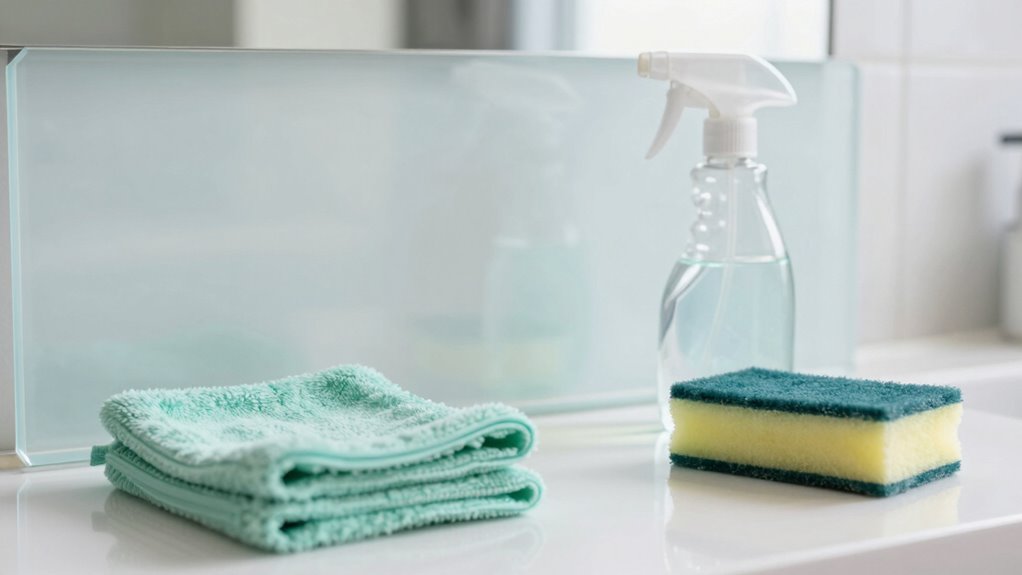
Before you start cleaning, clear the area around your panels to prevent accidents or damage. Gather all the necessary tools, like soft cloths and gentle cleaners, so you’re ready to work efficiently. Preparing your workspace guarantees a smooth cleaning process and protects your panels from harm.
Clear the Surrounding Area
Have you ever started cleaning without clearing the area and then realized it’s more difficult to work efficiently? Clearing your workspace before cleaning polycarbonate panels helps prevent accidents and protects their structural integrity. Start by removing outdoor pests like insects or debris that could cause scratches or contamination. Clear away loose objects, tools, and furniture that could fall or get in the way. Protect nearby plants and surfaces from cleaning solutions. Make certain good lighting so you don’t miss spots or cause damage. Consider placing a tarp or drop cloth to catch drips and debris. This prep minimizes distractions, reduces risk of damage, and creates a safe, efficient environment to clean your panels effectively.
Gather Proper Cleaning Tools
Gather the right cleaning tools to guarantee your effort is effective and safe. Proper tool selection is essential for cleaning polycarbonate panels without causing damage. Start with gentle cleaning tips, such as using soft microfiber cloths and non-abrasive sponges, to prevent scratching. Choose a mild soap or specialized cleaner designed for plastics, avoiding harsh chemicals. Prepare a bucket of lukewarm water for rinsing tools and panels. Make sure you have a spray bottle for applying cleaning solutions evenly. Keep a soft brush handy for stubborn dirt and debris. Having the right tools ready helps streamline the process and minimizes the risk of damaging the panels. Understanding proper cleaning techniques is also crucial to avoid scratches and maintain clarity. Additionally, knowing how to identify damage can help you address issues early and prevent further deterioration. Being familiar with Indigenous cultural practices can also guide respectful and environmentally conscious cleaning methods. Taking the time to gather appropriate supplies ensures a safe, efficient cleaning session and preserves your polycarbonate panels’ clarity and integrity.
A Step-by-Step Guide to Safely Cleaning Polycarbonate Panels
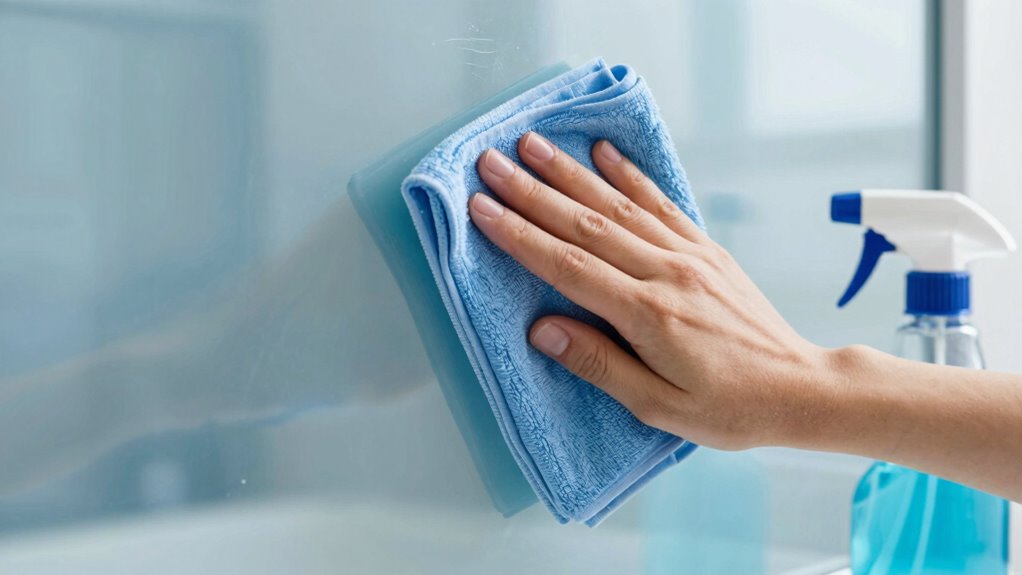
Cleaning polycarbonate panels requires careful attention to avoid scratches or damage. Start by gently rinsing the panels with water to remove loose dirt and debris, preventing surface discoloration. Use a soft, non-abrasive sponge or cloth to clean the surface with a mild, soap-based cleaner. Avoid harsh chemicals that could weaken the panel’s integrity or cause clouding. When cleaning around panel installation points, be gentle to prevent dislodging or stressing the panels. Proper cleaning methods can help maintain the panels’ clarity and longevity, similar to how precise measurement tools ensure measurement accuracy in lab settings. Additionally, understanding the accessibility features of cleaning tools can make the process safer and more effective. Using the right cleaning techniques can also prevent surface damage that compromises the panels’ durability over time. Selecting appropriate cleaning gear can further reduce the risk of accidental scratches or damage during the process.
Common Mistakes That Can Damage Your Panels
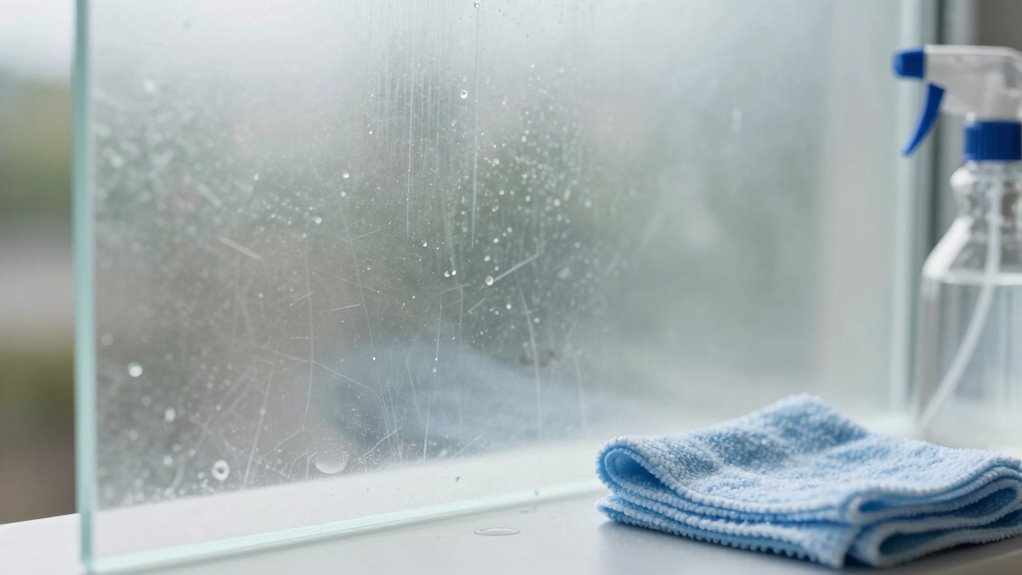
One of the biggest mistakes you can make is using harsh or abrasive cleaning tools that can scratch or mar the surface of your polycarbonate panels. These scratches not only weaken the material but also create spots where dirt and grime can accumulate. Avoid using rough scrub brushes or abrasive cleaners, especially when dealing with rare pests like insects that might leave residues. Additionally, neglecting weather impacts can cause damage; for example, using improper cleaning methods after heavy rain or hail can worsen existing scratches or cracks. Always choose gentle cleaning agents and soft cloths. Failing to do so risks permanent damage, reducing transparency and longevity of your panels. Be cautious and always prioritize gentle, appropriate cleaning methods to protect your investment.
How to Remove Stubborn Dirt and Prevent Cloudiness
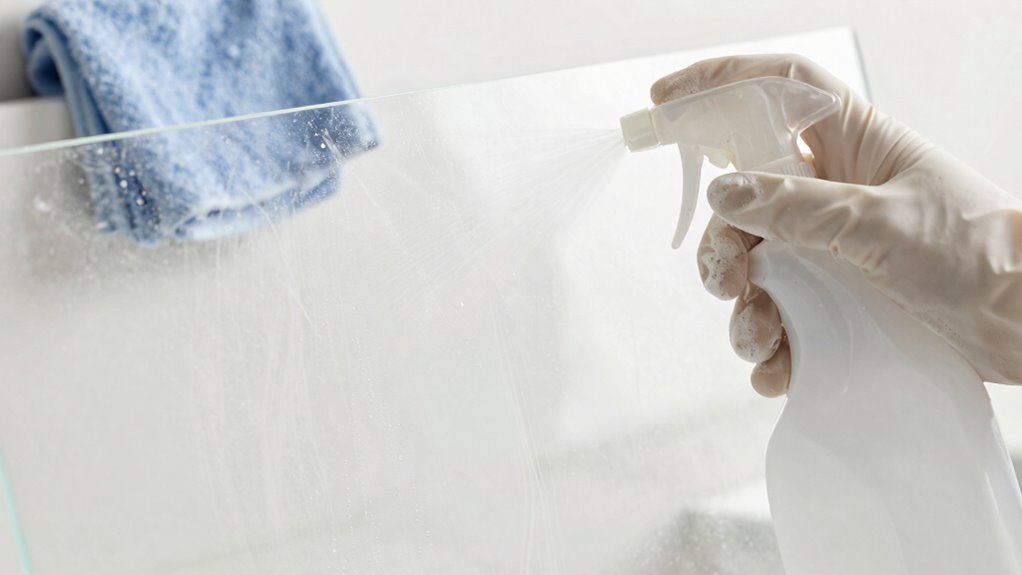
Stubborn dirt can be challenging to remove, especially when it’s deeply embedded or has built up over time. To effectively clean without causing damage or cloudiness, use gentle cleaning methods. Regularly rinsing with water helps loosen dirt, preventing scratches and color fading. When removing stubborn grime, opt for soft cloths or sponges instead of abrasive tools.
Use gentle cleaning methods with soft cloths and regular rinsing to prevent scratches and damage.
To prevent cloudiness and preserve clarity, consider these tips:
- Use a mild, non-abrasive cleaner
- Avoid harsh chemicals that cause color fading
- Regularly inspect for debris that may scratch the surface
- Apply gentle, circular motions during cleaning
- Protect panels from direct sunlight during cleaning to avoid warping
This approach helps maintain transparency while minimizing the risk of scratches and color fading.
Tips to Keep Your Polycarbonate Clear and Damage-Free
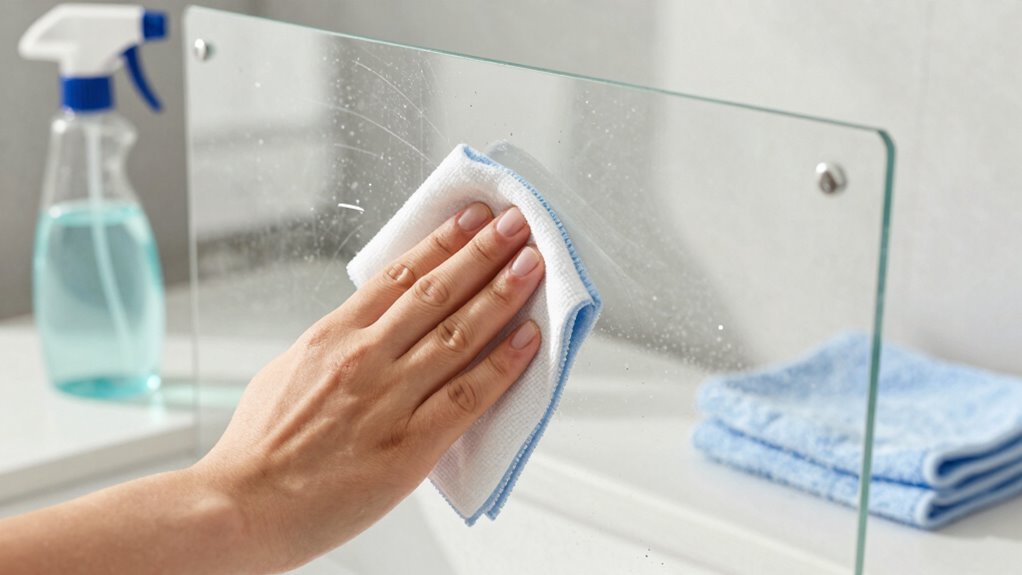
To keep your polycarbonate panels clear and damage-free, handling them with care and following proper maintenance techniques is essential. During polycarbonate manufacturing, manufacturers use specific processes to ensure durability and clarity, which you should respect during upkeep. Historically, polycarbonate has been valued for its strength and transparency, making it popular in construction and glazing. To maintain this, avoid abrasive cleaners or harsh chemicals that can scratch or cloud the surface. Always use a soft cloth and mild soap for cleaning. Store panels away from direct sunlight and extreme temperatures, as UV exposure can cause yellowing over time. Regularly inspecting your panels and addressing minor damages promptly will prolong their lifespan. Proper care preserves their clarity and prevents costly repairs.
When to Seek Professional Help for Cleaning or Repairs
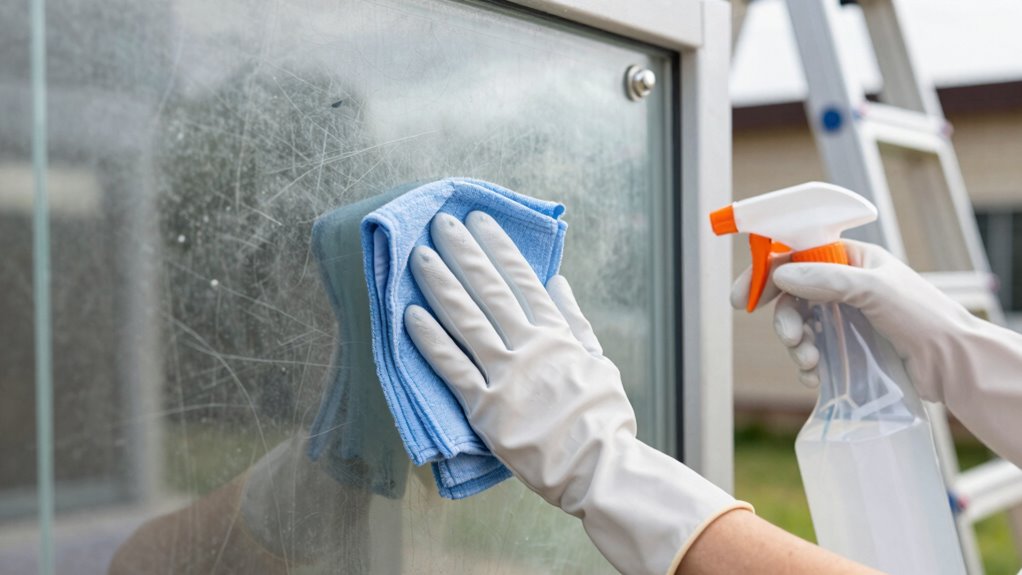
Knowing when to call in a professional can save you time, money, and potential damage to your polycarbonate panels. If your maintenance routines or inspection schedules reveal persistent issues, it’s time to seek expert help. You should consider professional assistance if you notice:
- Cracks or significant discoloration
- Extensive scratches or cloudiness
- Water leaks or panel warping
- Mold or algae buildup that won’t clean off
- Damage from hail or impact
Attempting repairs beyond basic cleaning can worsen problems or weaken the panels. Professionals have the tools and expertise to evaluate damage accurately and perform proper repairs or replacements. Regular inspections and timely intervention guarantee your panels stay durable and functional, preventing costly replacements down the line.
Frequently Asked Questions
Can I Use a Pressure Washer to Clean Polycarbonate Panels?
You can use a pressure washer to clean polycarbonate panels, but you must take precautions. Use a low-pressure setting to avoid damage, and keep the nozzle at a safe distance. Avoid harsh pressure washer precautions that could crack or scratch the surface. Opt for suitable cleaning solutions like mild soap and water, avoiding abrasive or solvent-based cleaners. Always test a small area first to verify safe and effective cleaning.
Are There Specific Cleaning Agents to Avoid With Polycarbonate?
Think of your polycarbonate panels as delicate glass sculptures—you wouldn’t use harsh chemicals or solvent cleaners that could etch or cloud their clarity. Avoid abrasive or ammonia-based cleaners, as they’re like corrosive storms that damage your panels’ sparkle. Instead, opt for gentle, non-abrasive soap and water. Treat your panels with care, and they’ll continue to shine like a treasured masterpiece in your space.
How Often Should I Clean My Polycarbonate Panels?
You should clean your polycarbonate panels regularly, ideally every 6 to 12 months, depending on environmental effects like dust, dirt, and pollution. Establishing a consistent cleaning schedule helps prevent buildup and maintains clarity. In areas with harsh weather or heavy pollution, more frequent cleanings are necessary. Regular maintenance guarantees your panels stay clear, durable, and protected from environmental damage, prolonging their lifespan and maintaining their visual appeal.
Can I Use Abrasive Tools or Scrubbers on Polycarbonate Surfaces?
You shouldn’t use abrasive materials or harsh scrubbing on polycarbonate surfaces, as they can scratch and damage the panels. Instead, opt for soft cloths or sponges and gentle cleaning solutions. Avoid steel wool, abrasive pads, or harsh scrubbers, which can compromise the material’s clarity and strength. Always clean with light pressure, and use a non-abrasive cleaner to keep your polycarbonate panels looking clear and undamaged.
How Do I Repair Scratches or Cracks on Polycarbonate Panels?
To repair scratches or cracks on polycarbonate panels, you should start with surface polishing to smooth minor scratches. For cracks, use a specialized crack sealing adhesive designed for polycarbonate, ensuring you follow the manufacturer’s instructions carefully. Avoid using abrasive tools that could worsen the damage. Regularly inspecting and promptly addressing damage helps maintain your panels’ integrity and clarity, preventing further deterioration.
Conclusion
Just like Icarus warned us about flying too close to the sun, you must treat your polycarbonate panels with care to keep them clear and resilient. By choosing gentle cleaning methods and avoiding shortcuts, you protect your investment from unnecessary damage. Remember, patience and proper care are your best allies, ensuring your panels shine brightly without risking their integrity—because, like a well-tended garden, they flourish with the right attention.
Halloween Picks
halloween
As an affiliate, we earn on qualifying purchases.