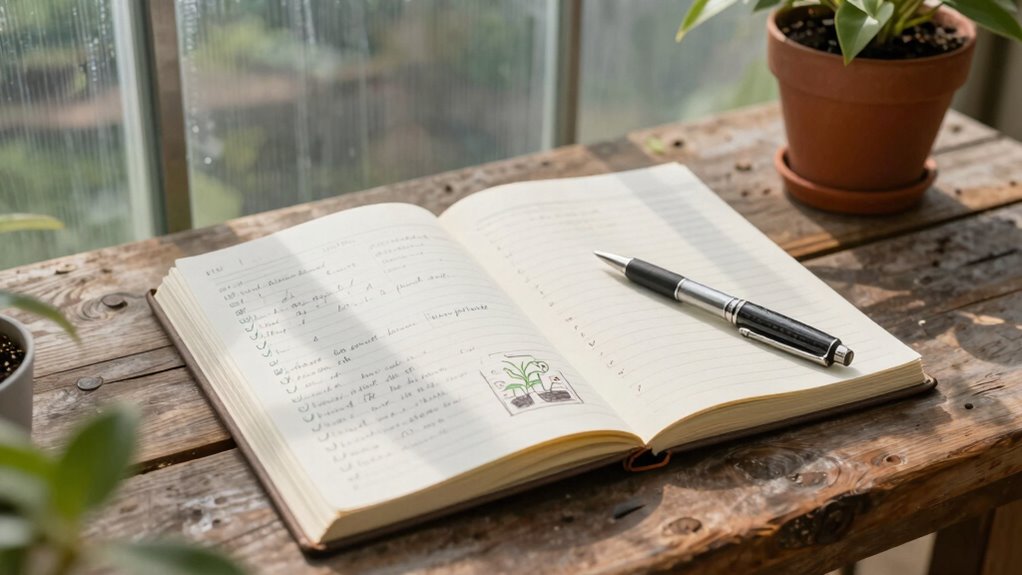

Using a simple greenhouse logbook helps you stay organized by tracking plant growth, watering, and maintenance routines. It makes it easier to spot issues early and plan ahead for seasonal changes. By keeping clear records of repairs and care activities, you prevent unexpected breakdowns and reduce stress. Consistent updates boost your confidence in managing your greenhouse efficiently. Keep exploring to discover tips on creating the perfect logbook that makes your maintenance routines even easier.

Get garden gear delivered free with Prime
- Fast, free delivery on millions of items
- Prime Video, Amazon Music and more included
- Member-only deals all year
Key Takeaways
- Keeps detailed records of plant care and equipment maintenance, reducing guesswork and last-minute surprises.
- Simplifies daily tasks by providing clear, organized logs of watering, fertilizing, and pest control.
- Enables proactive maintenance planning, preventing breakdowns and extending equipment lifespan.
- Helps track seasonal trends and growth patterns for better future planning and resource allocation.
- Promotes consistency in record-keeping, making maintenance routines straightforward and stress-free.
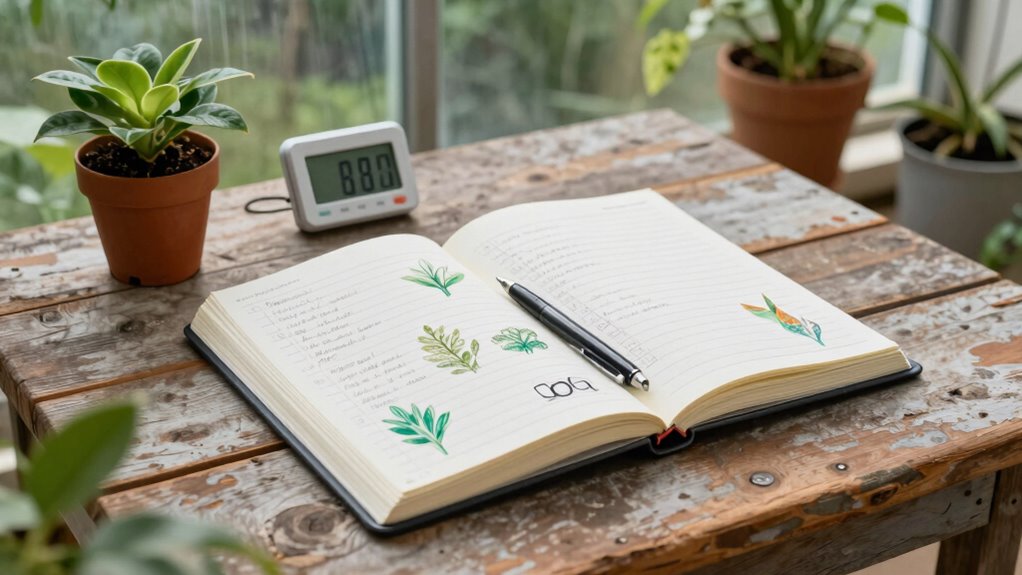
Keeping a well-maintained greenhouse logbook is essential for optimizing plant growth and managing your greenhouse efficiently. When you keep detailed records, you can easily track what’s working and identify issues before they become major problems. This process simplifies your daily tasks and boosts overall plant health, making your greenhouse a thriving environment. A straightforward logbook helps you monitor everything from watering schedules to fertilization routines, ensuring each plant gets exactly what it needs when it needs it. By consistently recording these details, you build a clear picture of growth patterns and seasonal trends, which guides your decisions and saves you time and effort.
One of the biggest advantages of using a simple greenhouse logbook is how it streamlines equipment tracking. Keeping tabs on your tools, heating systems, fans, and irrigation equipment prevents unexpected breakdowns and reduces downtime. When you note maintenance dates, repairs, or replacements, you avoid losing track of essential equipment. This proactive approach helps you plan maintenance schedules, extend equipment lifespan, and avoid costly surprises. It also minimizes stress because you’re not scrambling to find or fix tools when you need them most. Instead, you have a clear record, so you know exactly when to service or replace parts, keeping your operations smooth and predictable. Additionally, maintaining detailed maintenance records ensures you stay ahead of potential issues, and regular inspections can be scheduled based on your documented needs. Incorporating preventative maintenance can further reduce unexpected failures and keep your greenhouse running efficiently. Regularly reviewing your equipment logs helps identify patterns that could indicate upcoming problems, allowing for even more proactive care.
The beauty of a simple logbook is that it’s easy to use and doesn’t require complex software. You can keep it on paper, a spreadsheet, or a basic digital app—whatever suits your workflow best. The key is consistency. Make it a habit to jot down observations each day, including updates on plant health. Noting signs of pests, diseases, or nutrient deficiencies helps you respond quickly and prevent spread. This ongoing vigilance ensures your plants stay healthy and productive. Plus, a well-maintained logbook reduces guesswork, giving you confidence in your decisions and helping you develop effective strategies over time.
In addition, having a dedicated record of your greenhouse activities fosters better planning. You can review past entries to anticipate future needs, such as adjusting watering during hot months or preparing for seasonal changes. When you track your progress and equipment maintenance, you develop an all-encompassing understanding of your greenhouse’s unique environment. This knowledge makes maintenance less stressful because you’re not reacting blindly; instead, you’re making informed, strategic choices. In the end, a simple greenhouse logbook isn’t just about record-keeping—it’s your vital tool for growing healthier plants, keeping equipment in top shape, and managing your greenhouse with confidence and ease.
As an affiliate, we earn on qualifying purchases.
Frequently Asked Questions
How Often Should I Update My Greenhouse Logbook?
You should update your greenhouse logbook regularly, ideally daily or after any significant activity. Consistent record keeping helps you track your maintenance schedule, monitor plant health, and identify issues early. By updating your logbook often, you guarantee your maintenance remains organized and effective. This habit minimizes stress and keeps your greenhouse running smoothly, giving you a clear overview of what’s been done and what needs attention next.
Can the Logbook Be Customized for Different Plant Types?
Yes, the logbook can be customized for different plant types. You can add plant-specific sections, like watering schedules, nutrient needs, and growth milestones, to fit your unique greenhouse. Customization options allow you to tailor the logbook for each plant, making it easier to track their individual requirements. This personalized approach helps you stay organized and guarantees every plant gets the care it needs for healthy growth.
Is the Logbook Suitable for Large Commercial Greenhouses?
Think of this logbook as your greenhouse’s trusty compass, guiding you through vast spaces. It’s suitable for large commercial greenhouses, helping you keep track of your greenhouse layout and pest management with ease. As your operation expands, this logbook adapts to your needs, ensuring you stay organized amidst the sprawling greenery. With clear records, you’ll navigate pest issues and layout adjustments smoothly, making maintenance less stressful and more efficient.
What Materials Are Recommended for Durable Logbook Covers?
For durable logbook covers, choose materials like hardcover cardboard with a vinyl or plastic coating, as these offer excellent durability factors. You can also opt for leather or synthetic leather for added strength and a professional appearance. These cover materials resist moisture, tearing, and wear, ensuring your greenhouse logbook stays intact over time. Prioritizing durability factors like water resistance and sturdiness helps maintain the logbook’s usability in a busy greenhouse environment.
How Do I Ensure Accurate Data Entry in the Logbook?
Want perfect data entry? Double-check your entries, use data validation tools, and stay consistent with your recording style. Avoid the chaos of scribbled notes by setting clear standards for each entry. This way, you’ll catch mistakes early and keep your greenhouse records reliable. Remember, the secret to accuracy isn’t magic — it’s diligent effort, consistent formats, and a keen eye for detail. Trust me, your future self will thank you.
Conclusion
Keeping a simple greenhouse logbook isn’t just easy—it’s essential. Regularly tracking your maintenance reduces plant stress and boosts yields. Did you know that greenhouses with well-maintained logs see a 30% increase in crop productivity? By staying organized, you’ll catch issues early and enjoy healthier plants with less frustration. So, grab that notebook, stay consistent, and watch your greenhouse thrive effortlessly!
Fall yard work Picks
leaf blowers
As an affiliate, we earn on qualifying purchases.