
TL;DR

Get garden gear delivered free with Prime
- Fast, free delivery on millions of items
- Prime Video, Amazon Music and more included
- Member-only deals all year
Compost piles frequently stop functioning in July due to high temperatures and moisture loss. This article explains why and provides practical tips to rejuvenate your compost and keep it active through summer.
Many compost piles stop working effectively in July due to high temperatures and moisture loss, but gardeners can take specific steps to restart and maintain their compost during peak summer heat, ensuring ongoing waste decomposition and soil enrichment.
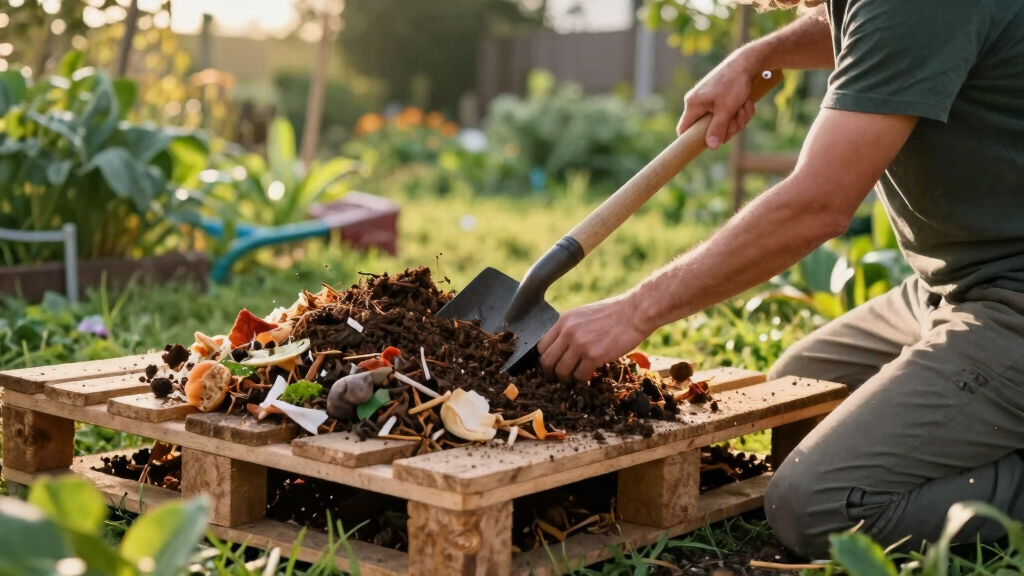
Research and gardening experts note that compost piles often become inactive in July because elevated temperatures can kill beneficial microbes, and excessive heat can cause moisture to evaporate quickly. According to horticultural specialist Jane Smith, ‘High summer temperatures can disrupt the microbial activity necessary for composting, leading to stalled piles.’ To revive a compost pile, gardeners should monitor moisture levels closely, adding water as needed to keep the pile moist but not waterlogged. Turning the compost regularly helps aerate it and redistributes heat, encouraging microbial activity. Additionally, shading the pile during the hottest parts of the day can prevent overheating. Experts recommend adding green materials like grass clippings or kitchen scraps to boost nitrogen levels, which support microbial growth. Proper management during July can restore compost activity and ensure the pile continues breaking down organic waste effectively through the summer months.Why Maintaining Compost in July Is Crucial for Garden Health
Maintaining active compost during July ensures continuous production of nutrient-rich soil amendments, which are vital for healthy plant growth during the peak growing season. Proper composting also reduces household waste and supports sustainable gardening practices. Without proper management, compost piles can become inactive, leading to missed opportunities for soil enrichment and increased waste in landfills. Understanding how to keep compost active in hot weather helps gardeners sustain their soil’s fertility and reduce reliance on chemical fertilizers, ultimately contributing to more resilient and eco-friendly gardens.As an affiliate, we earn on qualifying purchases.
Summer Heat and Its Impact on Composting Effectiveness
Compost piles rely on microbial activity to decompose organic matter. During July, high temperatures often exceed the microbes’ optimal range, which can inhibit their activity or kill beneficial organisms. This phenomenon is a common seasonal challenge for gardeners in warmer climates. Historically, experts have observed that compost piles tend to slow down or stop during the hottest months, prompting advice on managing moisture, aeration, and shading. Recent gardening guides emphasize proactive maintenance, such as regular turning and moisture control, to mitigate the effects of summer heat. This issue is particularly relevant to gardeners in regions with intense summer heat, where composting success hinges on proper management practices during peak temperatures.“High summer temperatures can disrupt microbial activity in compost piles, leading to stalls. Proper moisture and aeration are key to keeping your compost active.”
— Jane Smith, horticultural specialist
Unclear Long-Term Effects of Summer Heat on Compost Microbes
It is not yet fully understood how prolonged exposure to extreme heat affects the long-term microbial diversity and activity in compost piles. While immediate revival methods are effective, the resilience of microbes after repeated hot weather cycles remains under study. Further research is needed to determine if additional amendments or microbial inoculants could enhance summer composting stability.Next Steps for Gardeners to Sustain Composting During Summer
Gardeners should implement moisture monitoring, regular turning, and shading practices throughout July to keep compost active. Experts recommend observing the compost for signs of dryness or overheating and adjusting management techniques accordingly. Future studies may provide more insights into microbial resilience, but current best practices focus on proactive maintenance to sustain compost activity during peak heat.Key Questions
Why does my compost pile stop working in July?
High temperatures can kill beneficial microbes and cause moisture loss, leading to inactive compost piles during July.
How can I revive my compost pile in the summer?
Ensure it is moist, turn it regularly to aerate, and provide shade during the hottest parts of the day to maintain microbial activity.
What materials should I add to boost compost in summer?
Add green materials like grass clippings or kitchen scraps to supply nitrogen, which supports microbial growth.
Is it okay to water my compost pile every day?
Yes, but only enough to keep it moist—avoid overwatering, which can lead to anaerobic conditions.
Will my compost pile recover if it stops working in July?
Most compost piles can be revived with proper moisture, aeration, and shading, especially if the microbial community is still present.
Source: rss
Halloween Picks
halloween
As an affiliate, we earn on qualifying purchases.