Designing an energy efficient greenhouse is key to reducing operational costs and minimizing environmental impact. The Best Overall pick, the Year-Round Solar Greenhouse, offers a balanced approach of passive solar principles and modern efficiency. The Passive Solar Energy Book stands out for comprehensive design strategies, while the Solar Garden Greenhouse excels in year-round solar power integration. The main tradeoffs involve balancing upfront costs against long-term savings, and choosing between passive versus active energy strategies. Keep reading for a detailed breakdown of these top options and how they compare.

Get garden gear delivered free with Prime
- Fast, free delivery on millions of items
- Prime Video, Amazon Music and more included
- Member-only deals all year
Complete the kit


Key Takeaways
- Top-ranked greenhouses combine passive solar design with smart insulation to maximize energy savings.
- Advanced options like solar-powered greenhouses often require higher initial investments but pay off with lower operating costs.
- Cost-effective designs often rely on earth-sheltered or low-cost materials, suitable for budget-conscious growers.
- Most energy-efficient greenhouses leverage natural light and thermal mass to reduce reliance on supplemental heating and cooling.
- Choosing the right design depends heavily on climate, budget, and desired automation level.
| Building a Chinese Greenhouse: A Step-by-Step Guide to Design and Construction of a High-Performance, Off-Grid, Earth-Sheltered Greenhouse |  | Best for DIY Enthusiasts Seeking Deep Technical Guidance | Design Type: Earth-sheltered, off-grid | Construction Focus: DIY, sustainable | Target Audience: Experienced builders | VIEW ON AMAZON | See Our Full Breakdown |
| The Year-Round Solar Greenhouse: How to Design and Build a Net-Zero Energy Greenhouse |  | Best for Those Seeking a Complete Guide to Sustainable, Year-Round Greenhouses | Design Focus: Net-zero, solar | Application: Year-round energy-efficient greenhouse | Target Audience: Intermediate to advanced growers | VIEW ON AMAZON | See Our Full Breakdown |
| The Passive Solar Energy Book: A Complete Guide to Passive Solar Home, Greenhouse, and Building Design |  | Best for Homeowners and Builders Interested in Passive Solar Principles | Design Focus: Passive solar | Application: Greenhouses, homes, buildings | Target Audience: DIY enthusiasts, homeowners | VIEW ON AMAZON | See Our Full Breakdown |
| The Greenhouse of the Future: Smart, Sustainable, and Year-Round Growing Made Simple |  | Best for Tech-Savvy Gardeners Wanting Smart, Year-Round Solutions | Design Type: Smart, eco-friendly | Application: Year-round, automated gardening | Technology Level: High | VIEW ON AMAZON | See Our Full Breakdown |
| The Chinese Greenhouse: Design and Build a Low-Cost, Passive Solar Greenhouse |  | Best for Budget-Conscious DIYers Interested in Passive Solar Techniques | Design Focus: Passive solar, low-cost | Application: Affordable greenhouse construction | Target Audience: DIY, budget-minded | VIEW ON AMAZON | See Our Full Breakdown |
| Beginner’s Guide to Greenhouse Gardening: Fun, Organic and Sustainable Strategies for Growing High-Yield Harvests Year-Round |  | Best for Beginners | Target Audience: Beginners, organic gardeners | Focus: Sustainable, organic year-round gardening | Content Type: Practical guide, tips and techniques | VIEW ON AMAZON | See Our Full Breakdown |
| Energy-Efficient Greenhouse: Design and Construction of an Earthen Greenhouse |  | Best for DIY Sustainable Builders | Construction Focus: Earthen, natural materials | Energy Focus: Energy efficiency, sustainability | Intended Audience: DIY builders, eco-construction enthusiasts | VIEW ON AMAZON | See Our Full Breakdown |
| Zero Energy Thermal Mass Greenhouse with Free Video Instruction |  | Best for Visual Learners | Instruction Type: Video tutorials | Energy Focus: Zero energy, thermal mass | Ease of Use: Beginner-friendly with visual instructions | VIEW ON AMAZON | See Our Full Breakdown |
| Low-Cost Passive Solar Greenhouses |  | Best for Budget-Conscious DIYers | Focus: Passive solar heating | Cost: Low-cost, affordable | Target Audience: DIYers, budget gardeners | VIEW ON AMAZON | See Our Full Breakdown |
| The Solar Garden Greenhouse: The Design and Construction of a Year-Round Solar-Powered, Carbon-Neutral Greenhouse |  | Best for Advanced Eco-Design | Design Focus: Solar-powered, carbon-neutral | Use Case: Year-round, sustainable gardening | Technical Depth: Advanced, detailed | VIEW ON AMAZON | See Our Full Breakdown |
| energy efficient greenhouse design | Target Audience | Application |
|---|---|---|
| Building a Chinese Greenhouse: | Experienced builders | High-performance, energy-efficient greenhouse |
| The Year-Round Solar Greenhous | Intermediate to advanced growers | Year-round energy-efficient greenhouse |
| The Passive Solar Energy Book: | DIY enthusiasts, homeowners | Greenhouses, homes, buildings |
| The Greenhouse of the Future: | — | Year-round, automated gardening |
| The Chinese Greenhouse: Design | DIY, budget-minded | Affordable greenhouse construction |
| Beginner’s Guide to Greenhouse | Beginners, organic gardeners | — |
| Energy-Efficient Greenhouse: D | — | — |
| Zero Energy Thermal Mass Green | — | — |
| Low-Cost Passive Solar Greenho | DIYers, budget gardeners | — |
| The Solar Garden Greenhouse: T | — | — |
More Details on Our Top Picks
Building a Chinese Greenhouse: A Step-by-Step Guide to Design and Construction of a High-Performance, Off-Grid, Earth-Sheltered Greenhouse
This book stands out for its detailed, step-by-step instructions on creating an off-grid, earth-sheltered Chinese greenhouse, making it ideal for those interested in sustainable, self-sufficient structures. Compared with The Greenhouse of the Future, which emphasizes smart technology, this guide is more hands-on and practical for DIY builders. However, it offers limited specifics on materials and practical implementation, which could challenge less experienced readers. The focus on off-grid and earth-sheltered design maximizes energy efficiency by leveraging natural insulation, but the lack of detailed material guidance means buyers need some prior knowledge. Best suited for experienced DIYers and sustainability advocates who want a comprehensive, traditional approach to energy-efficient greenhouse construction, especially in off-grid settings.
Pros:- Comprehensive step-by-step guidance for construction
- Focus on off-grid, sustainable design principles
- Suitable for DIY enthusiasts willing to adapt and source materials independently
Cons:- Limited information on specific materials and practical implementation
- No detailed product or component specifications provided
Best for: Experienced DIYers interested in earth-sheltered, off-grid greenhouse projects
Not ideal for: Beginners or those seeking quick, ready-to-build solutions without extensive technical details
- Design Type:Earth-sheltered, off-grid
- Construction Focus:DIY, sustainable
- Target Audience:Experienced builders
- Coverage:Step-by-step instructions
- Application:High-performance, energy-efficient greenhouse
- Material Guidance:Limited
Our verdict“This book is ideal for skilled DIYers aiming to build a highly energy-efficient, earth-sheltered greenhouse from scratch.”
The Year-Round Solar Greenhouse: How to Design and Build a Net-Zero Energy Greenhouse
This book makes a compelling case for designing greenhouses that achieve net-zero energy use throughout the year, emphasizing solar efficiency and sustainable practices. Compared with The Greenhouse of the Future, which combines tech with eco-friendliness, this guide focuses more on proven design principles for energy independence. It offers detailed design strategies but assumes readers have some prior knowledge of greenhouse construction, making it less beginner-friendly. The emphasis on net-zero principles ensures long-term energy savings, yet the lack of specific product details could leave some builders needing additional resources. Best for experienced growers and designers committed to sustainable, year-round gardening who want a thorough, principles-based approach.
Pros:- In-depth guidance on designing energy-efficient, net-zero greenhouses
- Focus on sustainable, year-round cultivation
- Practical techniques rooted in solar principles
Cons:- Requires some prior knowledge of greenhouse construction
- No specific product or component recommendations
Best for: Experienced greenhouse builders aiming for net-zero energy efficiency
Not ideal for: Beginners or those looking for a quick, plug-and-play solution
- Design Focus:Net-zero, solar
- Application:Year-round energy-efficient greenhouse
- Target Audience:Intermediate to advanced growers
- Guidance Level:Detailed, technical
- Sustainability:High
- Construction Type:Design-focused
Our verdict“This book is perfect for those with some experience seeking a comprehensive plan for sustainable, energy-efficient greenhouses that operate year-round.”
The Passive Solar Energy Book: A Complete Guide to Passive Solar Home, Greenhouse, and Building Design
This comprehensive resource covers fundamental passive solar design techniques that can significantly reduce energy costs for greenhouses and other structures. Unlike The Greenhouse of the Future, which integrates smart technology, this book emphasizes passive, low-tech solutions that maximize natural sunlight and thermal mass. It offers practical advice applicable to DIYers and professionals alike, though its technical depth may challenge beginners. The focus on passive solar principles makes it a versatile reference for creating energy-efficient greenhouses, but it lacks specifics on modern materials or advanced building components. Best suited for homeowners or builders interested in reducing reliance on active systems through proven solar design techniques.
Pros:- In-depth coverage of passive solar design principles
- Practical guidance for sustainable building projects
- Suitable for both DIYers and professionals
Cons:- Potentially too technical for absolute beginners
- Lacks specific product or material recommendations
Best for: Homeowners or small-scale builders interested in passive solar greenhouse design
Not ideal for: Those looking for high-tech, automated greenhouse systems
- Design Focus:Passive solar
- Application:Greenhouses, homes, buildings
- Target Audience:DIY enthusiasts, homeowners
- Guidance:Theoretical and practical
- Energy Strategy:Natural sunlight, thermal mass
- Complexity:Moderate to high
Our verdict“This guide is ideal for those wanting to incorporate proven passive solar principles into energy-efficient greenhouse designs with minimal reliance on technology.”
The Greenhouse of the Future: Smart, Sustainable, and Year-Round Growing Made Simple
This greenhouse combines innovative technology with sustainable design, making it ideal for gardeners who want to grow year-round with minimal effort. Compared with The Year-Round Solar Greenhouse, which emphasizes passive and design principles, this model emphasizes smart automation and eco-friendly features, though at a higher cost. Its ease of use and smart features support consistent growth, but limited technical details on specific systems might leave some users wanting more clarity. The higher price tag reflects the advanced technology integration, which can be a barrier for budget-conscious growers. Best for gardeners seeking intuitive, tech-enabled greenhouses that support sustainable, year-round cultivation.
Pros:- Supports year-round gardening with automation
- Eco-friendly and sustainable design features
- User-friendly with smart technology
Cons:- Limited details on specific smart features and systems
- Higher cost due to advanced technology
Best for: Tech-savvy gardeners interested in automated, eco-friendly greenhouses
Not ideal for: Budget-conscious growers or those preferring low-tech solutions
- Design Type:Smart, eco-friendly
- Application:Year-round, automated gardening
- Technology Level:High
- Sustainability:Eco-conscious
- Cost:Premium
- Ease of Use:High
Our verdict“This pick suits gardeners who prioritize convenience and smart features for sustainable, continuous cultivation, despite a higher investment.”
The Chinese Greenhouse: Design and Build a Low-Cost, Passive Solar Greenhouse
This book offers practical advice for creating affordable, passive solar greenhouses inspired by Chinese techniques, making it appealing for those on a tight budget. Unlike The Greenhouse of the Future, which integrates high-tech features, this guide emphasizes low-cost, passive solutions that can be implemented with minimal expense. However, it lacks detailed step-by-step instructions, which could challenge less experienced DIYers. The focus on passive solar methods helps maximize energy efficiency without complex systems, but it may require prior gardening and construction knowledge to execute effectively. Best suited for budget-minded DIYers who want to build an energy-efficient greenhouse with simple, passive methods.
Pros:- Cost-effective design ideas for passive solar greenhouses
- Focus on sustainable, low-cost construction methods
- Suitable for DIYers with some experience
Cons:- Lacks detailed step-by-step instructions
- May require prior gardening or construction knowledge
Best for: DIY enthusiasts seeking low-cost, passive solar greenhouse projects
Not ideal for: Those needing detailed, step-by-step instructions or high-tech automation
- Design Focus:Passive solar, low-cost
- Application:Affordable greenhouse construction
- Target Audience:DIY, budget-minded
- Guidance Level:Basic to moderate
- Cost Effectiveness:High
- Complexity:Moderate
Our verdict“This book is best for budget-conscious DIYers eager to implement passive solar principles without high-tech complexity, accepting some prior knowledge.”
Beginner’s Guide to Greenhouse Gardening: Fun, Organic and Sustainable Strategies for Growing High-Yield Harvests Year-Round
This guide stands out for providing a comprehensive starting point for those new to greenhouse gardening, emphasizing organic and sustainable methods that are accessible for beginners. Compared with technical books like the ‘Energy-Efficient Greenhouse,’ this resource focuses on practical, easy-to-implement strategies rather than detailed construction specs. Its strength lies in making sustainable gardening approachable, though it offers limited guidance on specific energy-efficient designs or technical performance. If you’re just starting out and want to learn sustainable practices, this book is ideal. However, advanced gardeners seeking detailed technical design or efficiency metrics should look elsewhere.
Pros:- Clear, beginner-friendly guidance on organic and sustainable practices
- Focus on year-round gardening success
- Practical tips for new gardeners to achieve high yields
Cons:- Lacks technical details on greenhouse construction or efficiency
- Limited content for experienced gardeners or technical enthusiasts
Best for: Novice gardeners interested in organic, sustainable, year-round growing, who need step-by-step guidance.
Not ideal for: Experienced greenhouse builders or those seeking detailed technical design specifications for energy efficiency.
- Target Audience:Beginners, organic gardeners
- Focus:Sustainable, organic year-round gardening
- Content Type:Practical guide, tips and techniques
- Depth:Basic, introductory
Our verdict“This book is perfect for newcomers seeking sustainable strategies but isn’t suited for those wanting technical design details.”
Energy-Efficient Greenhouse: Design and Construction of an Earthen Greenhouse
This resource offers detailed guidance on designing and constructing energy-efficient earthen greenhouses, making it ideal for those interested in sustainable, low-impact building methods. Compared to the more general ‘Zero Energy Thermal Mass Greenhouse,’ this book emphasizes construction techniques suitable for DIY enthusiasts aiming for durable, natural structures. Its focus on earth-based materials enhances energy efficiency but means it lacks specific product features or modern tech integration. This book is best suited for readers who prioritize eco-friendly materials and hands-on building, though it may not appeal to those seeking high-tech solutions or detailed technical specs.
Pros:- In-depth guidance on earthen and natural building techniques
- Strong focus on sustainability and energy efficiency
- Suitable for DIY enthusiasts with basic construction skills
Cons:- Lacks specific product specifications or modern tech features
- No customer reviews to gauge practical effectiveness
Best for: DIY builders and sustainable construction enthusiasts wanting to create natural, energy-efficient greenhouses.
Not ideal for: Gardeners seeking quick, ready-made solutions or advanced tech integration without DIY effort.
- Construction Focus:Earthen, natural materials
- Energy Focus:Energy efficiency, sustainability
- Intended Audience:DIY builders, eco-construction enthusiasts
Our verdict“Ideal for eco-conscious builders interested in natural, low-impact greenhouse construction, but not for those seeking ready-made or high-tech solutions.”
Zero Energy Thermal Mass Greenhouse with Free Video Instruction
This guide makes a strong case for building zero energy thermal mass greenhouses, especially with its included free videos that clarify construction steps. Compared to the more comprehensive ‘Solar Garden Greenhouse,’ this option is more accessible for visual learners who benefit from instructional videos. However, it offers limited details on materials and specific design specs, which could be a drawback for advanced builders. This pick makes the most sense for those who prefer visual learning and want a straightforward, energy-saving greenhouse project, though it may not satisfy those seeking detailed technical information.
Pros:- Clear, visual guidance through free video instruction
- Focus on zero energy thermal mass design for sustainability
- Accessible for DIY builders with basic skills
Cons:- Limited technical specifications and material details
- No customer reviews to verify practical results
Best for: Visual learners and DIY enthusiasts who prefer video instructions for building energy-efficient greenhouses.
Not ideal for: People looking for detailed technical specifications or advanced features beyond basic construction guidance.
- Instruction Type:Video tutorials
- Energy Focus:Zero energy, thermal mass
- Ease of Use:Beginner-friendly with visual instructions
Our verdict“Best suited for visual learners interested in simple, energy-efficient greenhouse projects, but not for those needing detailed specs.”
Low-Cost Passive Solar Greenhouses
This book offers practical strategies for designing affordable passive solar greenhouses, emphasizing cost-effective principles of solar heating and simple construction. Compared with the more comprehensive ‘Solar Garden Greenhouse,’ this guide prioritizes affordability over advanced features, making it ideal for budget-minded DIYers. Its focus on passive solar techniques helps reduce energy costs but means it doesn’t delve into high-tech or complex systems. This choice makes the most sense for those seeking affordable, sustainable solutions, though it may lack detailed technical specs or modern efficiency innovations.
Pros:- Highly affordable, cost-effective design principles
- Focus on simple, passive solar heating techniques
- Practical guidance suitable for DIY projects
Cons:- Lacks detailed technical specifications or advanced features
- Limited coverage of modern energy efficiency systems
Best for: Budget-conscious gardeners or DIYers wanting to build cost-effective, energy-efficient greenhouses.
Not ideal for: Those seeking high-tech, advanced automation, or detailed technical specifications for large-scale or complex setups.
- Focus:Passive solar heating
- Cost:Low-cost, affordable
- Target Audience:DIYers, budget gardeners
Our verdict“Perfect for budget-conscious DIYers interested in passive solar solutions but not suitable for those seeking advanced or modern tech features.”
The Solar Garden Greenhouse: The Design and Construction of a Year-Round Solar-Powered, Carbon-Neutral Greenhouse
This comprehensive guide details how to create a fully solar-powered, carbon-neutral greenhouse capable of year-round operation, making it ideal for eco-conscious gardeners aiming for high sustainability standards. Compared to the more basic ‘Zero Energy Thermal Mass Greenhouse,’ this book offers a broader scope with advanced design principles and practical tips for integrating solar power and sustainability. Its technical depth may feel overwhelming for beginners, but it provides invaluable insights for those committed to building a truly eco-friendly, off-grid greenhouse. This makes it perfect for users who want a thorough, high-performance design, though it isn’t tailored for quick or simple projects.
Pros:- Comprehensive guidance on solar-powered, carbon-neutral design
- Focus on sustainability and year-round use
- In-depth technical tips for eco-friendly construction
Cons:- Lacks specific product features or ready-made options
- Highly technical, may be challenging for beginners
Best for: Advanced gardeners and eco-enthusiasts ready to build a year-round, solar-powered greenhouse with high sustainability standards.
Not ideal for: Beginners or those seeking quick, simple greenhouse solutions without technical complexity.
- Design Focus:Solar-powered, carbon-neutral
- Use Case:Year-round, sustainable gardening
- Technical Depth:Advanced, detailed
Our verdict“Ideal for eco-conscious, experienced gardeners committed to high-performance, solar-powered greenhouses, but not suited for novices.”
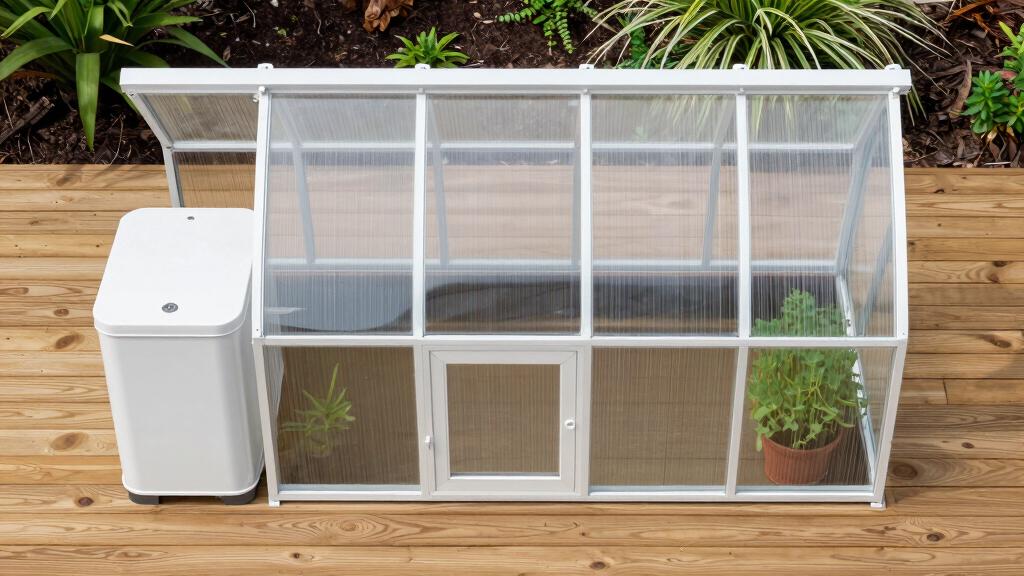
How We Picked
Our evaluation focused on the core aspects that influence energy efficiency in greenhouse design. We considered the use of passive solar principles, insulation quality, thermal mass integration, and renewable energy features. Ease of construction and maintenance were also key factors, as these influence long-term sustainability. Products were ranked higher if they demonstrated innovative energy-saving strategies, had proven performance in real-world conditions, and offered a good balance of cost and efficiency. This approach ensures that each listed design provides practical, scalable solutions for a variety of climate zones and budget levels.| energy efficient greenhouse design | Target Audience | Application |
|---|---|---|
| Building a Chinese Greenhouse: | Experienced builders | High-performance, energy-efficient greenhouse |
| The Year-Round Solar Greenhous | Intermediate to advanced growers | Year-round energy-efficient greenhouse |
| The Passive Solar Energy Book: | DIY enthusiasts, homeowners | Greenhouses, homes, buildings |
| The Greenhouse of the Future: | — | Year-round, automated gardening |
| The Chinese Greenhouse: Design | DIY, budget-minded | Affordable greenhouse construction |
| Beginner’s Guide to Greenhouse | Beginners, organic gardeners | — |
| Energy-Efficient Greenhouse: D | — | — |
| Zero Energy Thermal Mass Green | — | — |
| Low-Cost Passive Solar Greenho | DIYers, budget gardeners | — |
| The Solar Garden Greenhouse: T | — | — |
Factors to Consider When Choosing Energy Efficient Greenhouse Designs
When selecting an energy efficient greenhouse design, it’s vital to weigh several factors that can impact both initial setup and ongoing energy costs. Understanding these considerations helps avoid common pitfalls like under-insulation or over-reliance on active heating. The right design depends on your climate, budget, and gardening goals, so a thoughtful approach saves money and enhances productivity over time.Climate Compatibility
Matching your greenhouse design to your local climate is essential. For colder regions, passive solar features combined with thermal mass can drastically cut heating needs, while in milder zones, simpler designs may suffice. Overestimating your climate’s energy demands can lead to unnecessary costs, so choose a design proven to perform well in your area.
Material Choices and Insulation
High-quality insulation materials like double-glazed glazing and insulated panels significantly improve thermal retention. Some designs incorporate earth or straw-bale walls for natural insulation, which can be cost-effective but may require more maintenance. Poor insulation leads to higher heating costs, so investing in durable, well-insulated materials is often worthwhile despite higher upfront costs.
Thermal Mass and Natural Heating
Incorporating thermal mass such as water barrels, concrete, or stone allows the greenhouse to absorb and slowly release heat, reducing energy demands. This passive method is especially effective in clear, sunny climates but less so if your winter sunlight is limited. Relying solely on thermal mass without proper insulation can limit energy savings, so balance these elements carefully.
Renewable Energy Integration
Solar panels or wind turbines can turn your greenhouse into a net-zero energy operation, but they involve higher initial investments. Consider your local sun and wind conditions, and whether the added complexity fits your skills and budget. Sometimes, simpler passive designs provide most savings at lower costs, making them better suited for small-scale or DIY projects.
Automation and Ventilation
Automated ventilation, shading, and climate control systems optimize energy use by maintaining ideal conditions efficiently. However, these systems increase upfront costs and require maintenance. For beginners or budget-conscious growers, manual adjustments may be more practical, though they might not achieve the same level of energy savings as automated systems.
Frequently Asked Questions
How much can I save on energy costs with an energy efficient greenhouse?
Energy savings depend on your climate and design choices, but a well-implemented energy efficient greenhouse can reduce heating costs by 50% or more. Passive solar features and thermal mass are particularly effective in lowering energy bills, especially if your winters are cold. Over time, these savings can offset higher initial setup costs, especially in regions with long, cold winters.
Is it worth investing in solar panels for my greenhouse?
Adding solar panels can make your greenhouse nearly self-sufficient, significantly lowering energy bills and carbon footprint. However, the upfront costs are substantial, and payback periods vary based on your location and energy needs. For those committed to sustainability and long-term savings, solar integration offers a compelling option, but it may not be ideal for small or budget-restricted setups.
Can I retrofit my existing greenhouse to be more energy efficient?
Retrofitting is often possible by adding insulation, thermal mass, or automated climate controls. Improving sealing and shading can also boost efficiency without major structural changes. However, some designs—like earth-sheltered or passive solar features—are difficult to retrofit and work best during initial construction. Careful assessment of your current setup can reveal cost-effective upgrades that significantly lower energy use.
What’s the best greenhouse design for a beginner?
For beginners, simple passive solar designs that incorporate insulation and thermal mass tend to be easiest and most cost-effective. These setups require minimal technology and maintenance, making them accessible while still achieving meaningful energy savings. Avoid overly complex systems until you gain experience, as they can lead to higher costs and operational challenges.
How important is automation in energy-efficient greenhouse designs?
Automation can greatly improve energy efficiency by precisely controlling ventilation, shading, and heating, but it isn’t strictly necessary for effective energy savings. Manual adjustments can work well in mild climates or for hobby growers, though they require more attention. For larger or more demanding setups, automation often provides better control and higher savings, justifying the extra investment.
Conclusion
The best overall choice for most growers is the Year-Round Solar Greenhouse due to its balanced passive and active features. Budget-conscious gardeners should consider low-cost, passive solar designs like the Low-Cost Passive Solar Greenhouses for practical savings. For those prioritizing sustainability and long-term cost reduction, investing in a solar-powered or net-zero design like the Solar Garden Greenhouse makes sense. Beginners will benefit from simple, passive structures, while experienced growers seeking maximum efficiency should explore advanced, integrated systems with automation. Tailoring your choice to your climate, budget, and gardening goals will yield the best results.Fall Picks
fall essentials
As an affiliate, we earn on qualifying purchases.