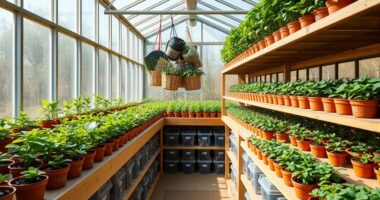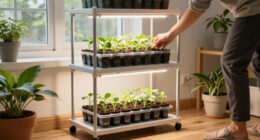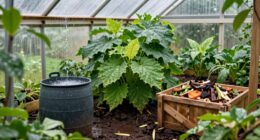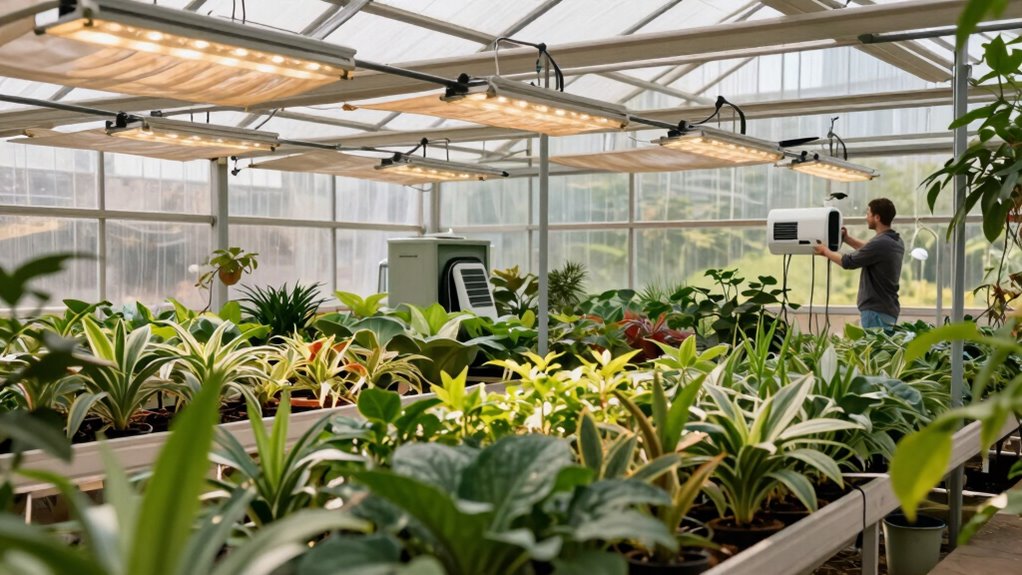
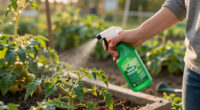
The best time to add new greenhouse equipment isn’t always winter. Instead, you should consider your crop cycles, pest activity, and seasonal weather patterns. Upgrades during low plant activity, like late summer or early fall, help minimize disruption and maximize your plants’ response. Spring is ideal for ventilation or shading. Rushing winter installations might cause setbacks, so planning ahead leads to healthier plants and better yields. If you continue, you’ll discover even more tips for perfect timing.

Get garden gear delivered free — and shop member deals
- Fast, free delivery on millions of items
- Access to Prime Big Deal Days deals on October 6–7
- Prime Video, Amazon Music and more included
Key Takeaways
- Installing equipment during off-peak plant activity minimizes disruption and maximizes growth response.
- Timing upgrades before seasonal weather changes, like early spring or late summer, ensures optimal climate control.
- Address soil health and pest issues beforehand to prevent complications during equipment installation.
- Avoid winter installations when possible to prevent delays caused by cold weather and limited daylight.
- Coordinate upgrades with crop cycles to reduce downtime and improve overall greenhouse productivity.

Timing is crucial when adding greenhouse equipment, as making your upgrades at the right moment can greatly enhance your plants’ growth and your overall efficiency. While many think winter is the best time to invest in new equipment, that’s not always the case. The ideal time depends on your specific needs, the types of plants you grow, and the condition of your greenhouse. Proper timing ensures you don’t disrupt your crop cycles and allows you to maximize the benefits of your upgrades.
Choosing the right time for upgrades maximizes plant growth and efficiency without disrupting crop cycles.
Before installing new equipment, focus on soil preparation. If your soil isn’t in the best shape, adding equipment like heating systems or irrigation tools won’t be as effective. It’s better to prepare your soil first—amending it with nutrients, aerating, and ensuring proper drainage—so that your plants can thrive once the new equipment is in place. This process often takes time, so planning ahead allows you to synchronize soil prep with equipment upgrades. Doing so minimizes downtime and ensures that your plants are in the best condition to respond positively to the new systems. Understanding soil health maintenance is essential for long-term success.
Pest management is another critical factor to take into account when timing your upgrades. If you’re dealing with pests, installing new equipment during peak pest activity can be be counterproductive, as pests may take advantage of the new environment or spread more easily. It’s wise to address pest issues before installing equipment that could create hiding spots or make pest control more challenging. Waiting until pest levels are under control ensures that your new systems—such as ventilation or climate control—will not inadvertently contribute to pest problems. Proper timing helps you avoid setbacks, reduces the need for chemical interventions, and keeps your plants healthy. Additionally, considering pest activity patterns can help you choose the best window for installation.
In many cases, the best time to add equipment isn’t necessarily winter but rather during periods of low plant activity or between planting cycles. For example, late summer or early fall can be ideal for installing heating systems before the colder months, giving your greenhouse time to stabilize. Alternatively, early spring might be perfect for installing ventilation or shading systems before the heat of summer arrives. By aligning your equipment upgrades with natural planting and harvesting schedules, you reduce risks of disruption and give your plants the best environment possible. Additionally, understanding seasonal patterns can help you choose the optimal timing for your specific climate and crop needs.
In the end, strategic timing combines soil preparation, pest management, and your crop schedule. Rushing into upgrades during winter or at the wrong time can cause unnecessary setbacks. Instead, plan your improvements carefully, considering the specific needs of your plants, the condition of your soil, and pest activity. When you do, you’ll find your greenhouse runs more smoothly, your plants grow healthier, and your overall productivity improves.
As an affiliate, we earn on qualifying purchases.
Frequently Asked Questions
How Do I Determine the Right Equipment for My Greenhouse?
You determine the right equipment for your greenhouse by evaluating your plants’ needs and your climate. Focus on plant lighting to guarantee your crops get enough light, especially during shorter days. Ventilation systems are essential for maintaining ideal humidity and temperature. Monitor your greenhouse regularly, observe how your plants respond, and choose equipment that improves airflow and light distribution, helping your plants thrive year-round.
Can Equipment Upgrades Improve Plant Growth Year-Round?
Upgrading your greenhouse equipment can indeed boost plant growth year-round. For example, installing advanced plant lighting and climate control systems helps maintain ideal conditions regardless of external weather. These improvements guarantee consistent light and temperature, fostering healthy growth during winter and summer alike. By investing in such equipment, you create a stable environment that promotes better yield and plant health throughout the year, making your greenhouse more productive and efficient.
What Are Signs My Greenhouse Needs New Equipment?
You’ll notice signs your greenhouse needs new equipment when plant health declines despite proper care, indicating existing systems aren’t meeting needs. If equipment frequently breaks down or shows wear, it’s likely reached the end of its lifespan. Poor temperature regulation, inconsistent humidity, or uneven lighting also signal outdated or inadequate equipment. Upgrading guarantees ideal conditions, promotes healthier plants, and maintains a productive environment year-round.
How Often Should Greenhouse Equipment Be Maintained?
You should maintain your greenhouse equipment regularly, ideally every few months, to keep things running smoothly. Seasonal lighting needs checking before each season to verify proper growth, and pest control measures should be a constant, not a one-time fix. Don’t wait for problems to snowball; proactive upkeep helps you catch issues early. Staying on top of maintenance is the best way to keep your greenhouse productive and pest-free year-round.
Are There Cost-Effective Options for New Greenhouse Installation?
Yes, you can find cost-effective options for new greenhouse installation by integrating solar heating systems and rainwater harvesting. Solar heating reduces your energy costs by harnessing free sunlight, while rainwater harvesting minimizes water expenses and environmental impact. These eco-friendly solutions are affordable and efficient, helping you optimize your greenhouse’s performance without overspending. Implementing these options allows you to save money long-term while maintaining ideal growing conditions.
Conclusion
So, next time you’re tempted to wait until winter to upgrade your greenhouse, think again. The right timing can make all the difference—hidden opportunities that could boost your plants’ growth and your success. But the question remains: what’s the secret window you’ve been overlooking? Stay tuned, because the perfect moment might be closer than you think, and missing it could mean missing out on a thriving, more resilient greenhouse. Are you ready to find it?
Halloween Picks
halloween
As an affiliate, we earn on qualifying purchases.