
TL;DR

Get garden gear delivered free with Prime
- Fast, free delivery on millions of items
- Prime Video, Amazon Music and more included
- Member-only deals all year
A former sports reporter and media producer began teaching at a maximum-security youth detention center after her media business failed. Her experience revealed the humanity of at-risk youth and reignited her passion for teaching. The story highlights the impact of alternative education environments.
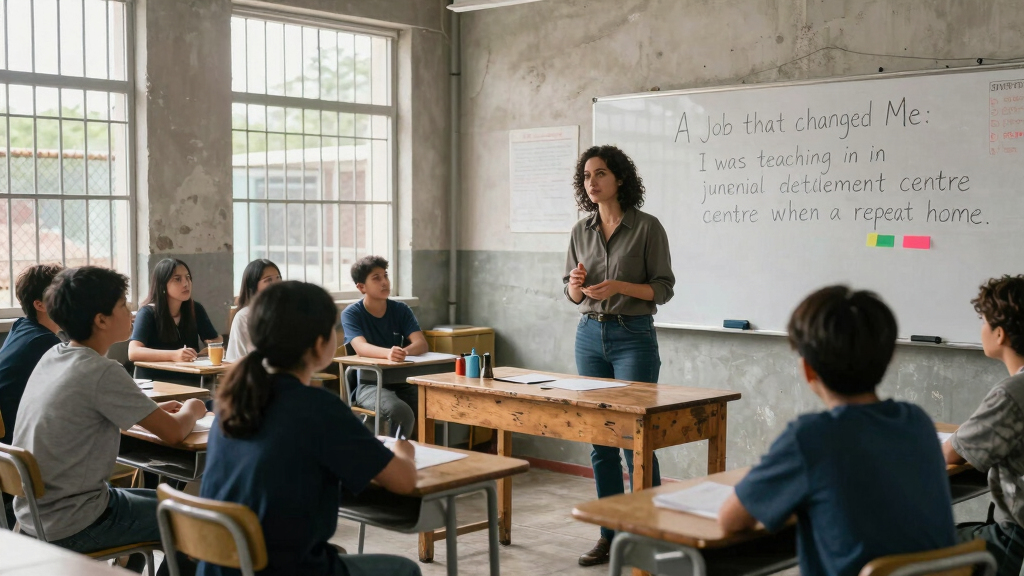
A former sports journalist and media producer has shared how her experience teaching at a maximum-security juvenile detention center profoundly changed her outlook on education and rehabilitation. After her media business failed, she took a teaching job in a high-security facility, where she encountered at-risk youth with complex backgrounds. Her story underscores the human potential within marginalized young people and the personal transformation she experienced.
After her media production company went bankrupt at age 51, she decided to pursue a long-standing interest in teaching, retraining as a high school teacher. Her first interview was unexpectedly with staff at the Parkville Youth Justice Precinct, a maximum-security facility. Despite initial fears and a tense first day, she found her work with young offenders rewarding, especially after forming a connection with a 15-year-old boy named Jimmy, who struggled with literacy but expressed a desire to learn. Over weeks, she worked with Jimmy on reading, witnessing firsthand that many young people in detention are not irredeemable but are shaped by difficult childhoods. She spent two years at Parkville before resigning due to health issues and now teaches at Saints College, a school for youth seeking alternative education options. Her experience challenged stereotypes about juvenile offenders and highlighted the importance of tailored educational approaches.
Why Personal Transformation Matters in Youth Justice
This story demonstrates how education can serve as a powerful tool for rehabilitation and personal growth among marginalized youth. It also highlights the potential for adults to find renewed purpose through meaningful engagement with at-risk populations, challenging stereotypes about juvenile offenders. The narrative underscores the importance of providing supportive, tailored educational environments to foster hope and change in vulnerable young people, which can have broader societal benefits.
literacy teaching aids for teens
As an affiliate, we earn on qualifying purchases.
As an affiliate, we earn on qualifying purchases.
Background on Youth Detention Education in Australia
Australia’s youth detention centers, including Parkville in Melbourne, serve young offenders with complex needs, often stemming from traumatic childhoods. Education programs in these facilities aim to provide skills and hope for reintegration, but resources and approaches vary. The story aligns with ongoing debates about how best to support juvenile offenders and whether traditional schooling methods are effective in detention settings. The author’s transition from mainstream teaching to juvenile detention reflects a growing recognition of the value of alternative education models for at-risk youth.
“I realized that many of these young people aren’t irredeemably bad; they’re just kids who’ve had a tough start in life.”
— the former teacher
“Seeing Jimmy want to learn to read was a moment I’ll never forget. It proved to me how much potential exists even in the most unlikely places.”
— the former teacher
Unclear Long-Term Impact of Teaching in Detention
It is not yet clear how many of the young people she worked with will sustain progress after leaving detention. The long-term effectiveness of educational interventions in juvenile detention remains a subject of ongoing research. Additionally, her personal health issues led her to leave the role, raising questions about the sustainability of such work for educators.
Future of Alternative Education for At-Risk Youth
The former teacher continues to work at Saints College, focusing on providing tailored education for vulnerable youth. Her story may inspire broader discussions about reforming youth justice education policies and expanding alternative schooling options. Further studies are expected to evaluate long-term outcomes for detained youth who receive specialized educational support.
Key Questions
What motivated her to switch from media to teaching?
After her media business failed, her wife suggested she revisit her long-standing interest in teaching, which she had pursued through volunteering and retraining.
What challenges did she face working in a juvenile detention center?
She faced initial fears, language barriers, and the need to build trust with young offenders, many of whom had traumatic backgrounds.
Did her work have a lasting impact on the youth?
While she received positive updates about Jimmy’s progress, the long-term impact on individual youth remains uncertain due to limited post-release data.
What does her story suggest about education in juvenile detention?
It suggests that tailored, compassionate education can reveal the potential in at-risk youth and contribute to their rehabilitation.
Will she continue working with at-risk youth?
She is currently teaching at Saints College, but her experience highlights the need for ongoing support and reform in youth justice education.
Source: Guardian Life
Halloween Picks
halloween
As an affiliate, we earn on qualifying purchases.