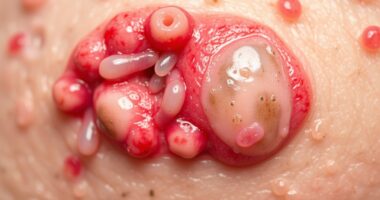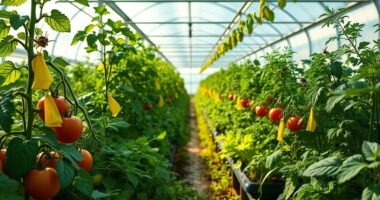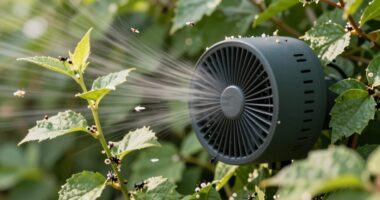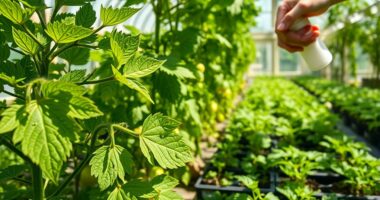
To train your eye to notice greenhouse trouble faster, start by scheduling regular, unhurried inspections and thoroughly examining your plants using all your senses. Learn to recognize subtle signs like tiny holes, discoloration, webs, or deformities early on. Stay informed about common pests and seasonal changes, and keep notes or photos to track your observations over time. By practicing consistently and paying close attention, you’ll become more adept at catching problems early—there’s more to discover if you keep paying attention.

Get garden gear delivered free — and shop member deals
- Fast, free delivery on millions of items
- Access to Prime Big Deal Days deals on October 6–7
- Prime Video, Amazon Music and more included
Key Takeaways
- Regularly schedule and conduct thorough inspections to build familiarity with healthy plant conditions and identify anomalies quickly.
- Study common pests, diseases, and signs specific to your greenhouse environment to recognize issues early.
- Use all senses—sight, touch, smell—to detect subtle changes indicating trouble.
- Keep detailed records and photos to observe patterns and track emerging problems over time.
- Stay updated on seasonal pest cycles and environmental factors to anticipate and spot issues sooner.

Catching greenhouse problems early can save you time, money, and crop loss, but it takes practice to spot the signs quickly. Your ability to detect issues hinges on your skill in observing subtle changes in your plants and environment. One of the most vital aspects is pest detection. Pests often hide in plain sight, so learning to recognize their early signs—like tiny holes, discolored spots, or webbing—can prevent an infestation from spiraling out of control. When you develop a keen eye for these initial clues, you can act swiftly, removing pests before they spread. Regularly inspecting your crops, especially during their most vulnerable stages, trains your mind to notice irregularities in plant health that might indicate pest activity.
Early pest detection saves time, money, and crops through regular inspections and keen observation of subtle signs.
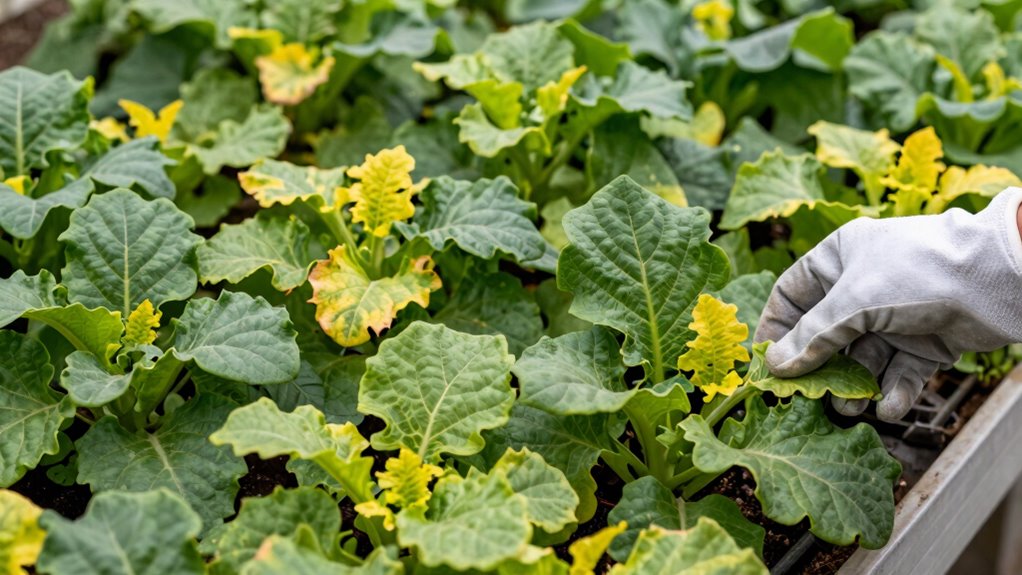
Plant health is another fundamental area to focus on. Healthy plants usually exhibit consistent color, vigorous growth, and strong structural integrity. When you observe your plants daily, you start to notice deviations from their normal appearance. For example, wilting leaves, yellowing, or stunted growth can signal underlying issues—be it nutrient deficiencies, diseases, or pest damage. The more attentive you are, the better you’ll become at distinguishing between harmless variations and signs of trouble. Over time, you’ll learn which symptoms warrant immediate action and which are minor concerns. This continuous observation sharpens your ability to detect problems early, giving you a head start on treatment. Additionally, understanding plant physiology can help you interpret changes more accurately and recognize issues before they become severe.
Practicing routine inspections helps reinforce your visual skills. Schedule regular checks, and don’t rush them. As you scan each plant, look for unusual markings, discolorations, or deformities. Use your senses—touch to feel for soft or crumbly areas, sight to spot color inconsistencies, and smell for any strange odors that might point to rot or mold. Keep detailed notes or photographs to track changes over time. This habit helps you recognize patterns, making it easier to differentiate between normal growth and emerging issues. Additionally, staying informed about common greenhouse pests and plant diseases enhances your pest detection and plant health assessment. Reading about seasonal pest cycles and their typical signs can further sharpen your observational skills. Understanding environmental factors and their impact on pest development can significantly improve your early detection skills. Developing a keen observational skill is crucial for timely intervention and maintaining healthy plants. Over time, your trained eye becomes second nature, allowing you to catch problems sooner and respond more effectively. In essence, developing this skill is about consistent practice, attention to detail, and continuous learning—each step bringing you closer to a healthier, more productive greenhouse.
greenhouse pest inspection tools
As an affiliate, we earn on qualifying purchases.
As an affiliate, we earn on qualifying purchases.
Frequently Asked Questions
What Are the Common Signs of Greenhouse Trouble?
You’ll notice plant stress signs like wilting, yellowing leaves, or stunted growth, which indicate trouble. Keep an eye out for pest indicators, such as tiny holes, webbing, or visible insects on your plants. These symptoms often signal underlying issues like disease or pest infestations. Recognizing these signs early helps you act quickly, preventing further damage and ensuring your greenhouse stays healthy and productive.
How Often Should I Inspect My Greenhouse for Issues?
Think of your greenhouse as a living, breathing organism that needs regular checkups. You should inspect it at least twice a week, especially during peak growing seasons. Look for signs of plant disease, pest infestation, or other issues that can spread like wildfire. Frequent inspections help you catch problems early, so you can act swiftly and keep your plants healthy and thriving. Consistency is your best tool against trouble.
Can Regular Training Improve My Troubleshooting Speed?
Yes, regular training can considerably improve your troubleshooting speed. By practicing visual recognition and enhancing pattern awareness, you train your eyes to spot issues quickly. Over time, you’ll notice subtle signs of trouble faster, allowing you to act promptly. Consistent inspection and focused observation help you develop an intuitive understanding of your greenhouse’s normal conditions, making your troubleshooting more efficient and effective.
Are There Specific Tools to Help Identify Problems Quickly?
Yes, tools like automated sensors and diagnostic apps can help you identify greenhouse problems quickly. Automated sensors monitor environmental conditions in real-time, alerting you to issues like temperature swings or humidity drops. Diagnostic apps analyze data, offering insights and troubleshooting tips instantly. By integrating these tools into your routine, you’ll spot problems faster, enabling prompt action and maintaining ideal plant health with less guesswork.
What Environmental Factors Most Affect Greenhouse Health?
Climate fluctuations greatly impact greenhouse health by causing temperature and humidity swings that stress plants. You should monitor these changes closely, as they can lead to disease and pest outbreaks. Effective pest management becomes essential during such times, helping you control infestations before they spread. By staying alert to environmental shifts and practicing proactive pest control, you can maintain a healthier greenhouse environment and catch trouble early.
Conclusion
Now, with a sharper eye, you can spot trouble before it spreads. Every sign you notice brings you closer to mastering your greenhouse’s health. But beware—some issues hide in plain sight, waiting for you to uncover them. Will you catch the subtle clues in time? Keep practicing, stay vigilant, and trust your growing skills. The next surprise could be just around the corner—are you ready to face it?
Evergreen bestsellers Picks
bestsellers
As an affiliate, we earn on qualifying purchases.